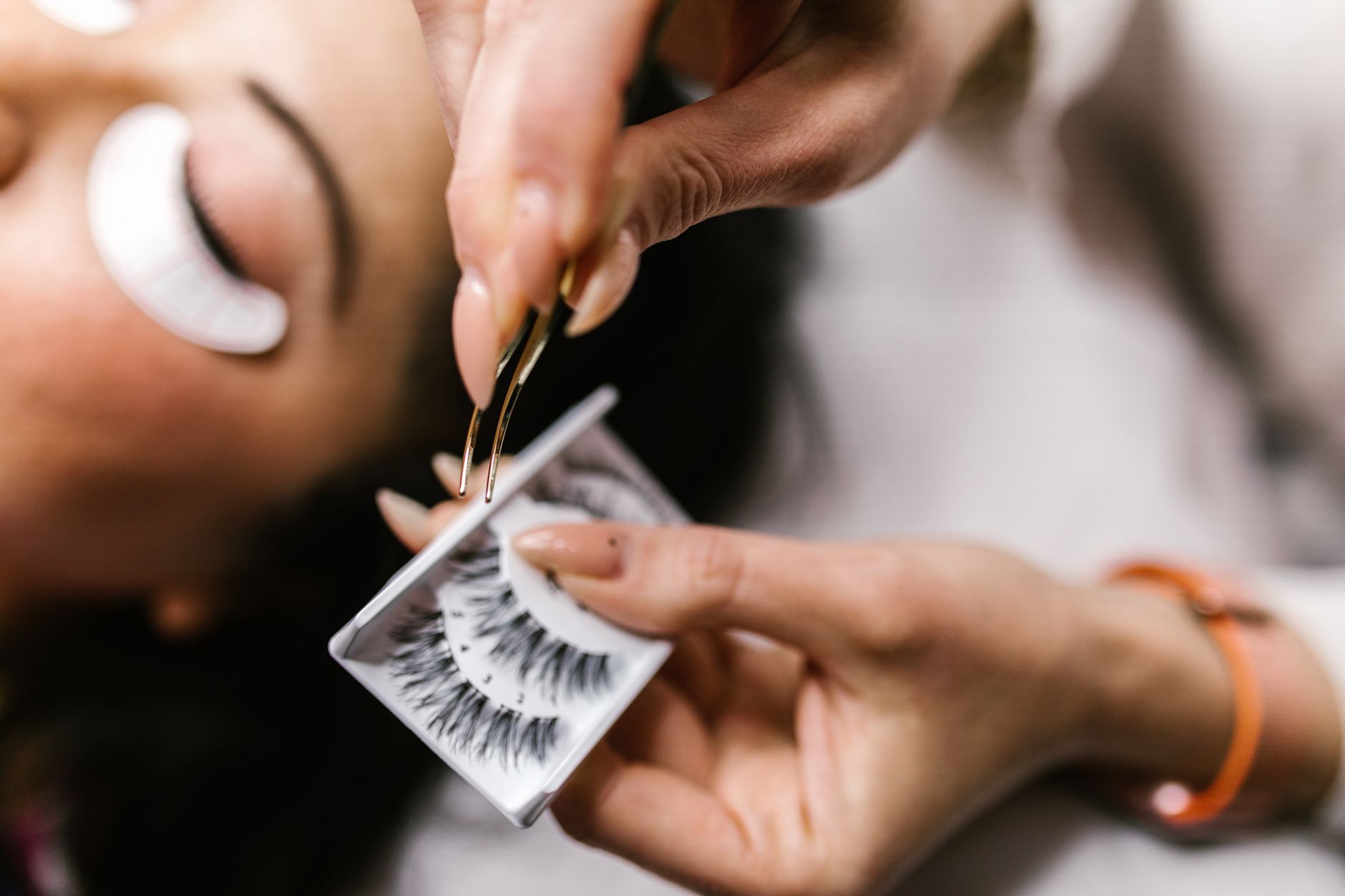
Ever wondered about the journey of your eyelashes? These delicate strands framing your eyes are more than just beauty enhancers; they play a vital role in protecting your eyes from dust, debris, and even harsh sunlight. But what happens when they fall out? How long does it take for them to grow back? And when should you be concerned? This guide will walk you through the natural cycle of eyelash growth, discuss factors that can affect it, and highlight when it might be time to consult a healthcare professional. We aim to provide clear, practical information for our readers in India, helping you understand and care for your lashes. The Natural Eyelash Growth Cycle Your eyelashes, much like the hair on your head, follow a specific growth cycle. This cycle consists of three main phases: Anagen (Growth Phase): This is the active growth period where lash follicles produce new eyelash hairs. This phase typically lasts for about 2 to 3 weeks. During this time, your lashes grow to their full length. Catagen (Transition Phase): Following the anagen phase, eyelashes enter a brief transition period that lasts about 2 to 3 weeks. During catagen, the eyelash stops growing, and the follicle shrinks. Telogen (Resting Phase): This is the longest phase, lasting approximately 4 to 6 weeks. During telogen, the eyelash rests in the follicle. The old lash eventually falls out, making way for a new one to begin growing from the same follicle, restarting the cycle. The entire cycle for an eyelash, from growth to falling out and being replaced, can take anywhere from 6 to 10 weeks, with most sources suggesting around 6 weeks for a new lash to fully emerge after the old one falls. Factors Affecting Eyelash Growth Several factors can influence how quickly and effectively your eyelashes grow back: Genetics: Just like hair color and texture, your genetic makeup plays a significant role in determining the length, thickness, and growth rate of your eyelashes. Age: As we age, our hair growth cycles can slow down, potentially affecting eyelash growth. Hormonal Changes: Fluctuations in hormones, such as those experienced during pregnancy or due to certain medical conditions, can sometimes impact hair growth. Nutrition: A balanced diet rich in vitamins and minerals is essential for overall hair health, including eyelashes. Deficiencies in certain nutrients might hinder growth. Damage or Trauma: This is a common culprit. Rubbing your eyes excessively, harsh makeup removers, eyelash curlers, or procedures like lash extensions can damage the follicles or break the lashes, disrupting the natural growth cycle. Medical Conditions: Certain health issues can affect eyelash growth. Conditions like alopecia areata (an autoimmune disorder causing hair loss), thyroid problems, or infections can lead to eyelash thinning or loss. Medications: Some medications, particularly chemotherapy drugs, are known to cause hair loss, including eyelashes and eyebrows. Why Do Eyelashes Fall Out? It's perfectly normal to lose a few eyelashes every day. You might notice one or two on your pillow or in your makeup remover. This typically happens during the telogen (resting) phase of the growth cycle. However, excessive or sudden loss of eyelashes, known as madarosis, can be a sign of an underlying issue. Consider this common scenario: Priya, a busy working mother in Mumbai, noticed a significant number of her eyelashes falling out after a stressful period at work. She also found herself rubbing her eyes more often due to fatigue. Initially, she dismissed it, but when the thinning became noticeable, she started to worry. Excessive shedding can occur due to: Trichotillomania: This is a mental health disorder characterized by the compulsive urge to pull out one's own hair, including eyelashes and eyebrows. Blepharitis: An inflammation of the eyelids that can cause crusting, itching, and lash loss. Skin conditions: Conditions like eczema or psoriasis affecting the eyelids can impact lash follicles. Allergic reactions: Reactions to cosmetics, skincare products, or even eye drops can cause irritation and subsequent lash loss. How Long Does It Take for Eyelashes to Grow Back? If your eyelashes have fallen out due to normal shedding or minor damage, you can typically expect them to grow back within 6 to 8 weeks . This timeline aligns with the natural resting and regrowth phases of the eyelash cycle. If a lash falls out, a new one will begin to grow from the follicle, and it should reach a noticeable length within this period. However, if the hair follicle has been severely damaged or the underlying cause is a medical condition, the regrowth might take longer, or in some cases, may not occur without treatment. When to Consult a Doctor While occasional lash loss is normal, you should seek medical advice if you experience any of the following: Sudden or excessive eyelash loss: If you notice a significant number of lashes falling out over a short period. Complete loss of eyelashes: Losing all your lashes on one or both eyes. Changes in lash texture or appearance: Lashes becoming noticeably thinner, shorter, or brittle. Redness, itching, or irritation of the eyelids: These could indicate an infection or inflammation like blepharitis. Compulsive eye-rubbing or hair-pulling: If you suspect trichotillomania or a similar habit. Other symptoms: If lash loss is accompanied by other concerning symptoms like fatigue, weight changes, or skin issues. A doctor, possibly a dermatologist or an ophthalmologist (eye specialist), can help diagnose the cause of your eyelash loss. They will likely ask about your medical history, lifestyle, and any recent changes. A physical examination of your eyelids and lashes is usually performed. Diagnosis and Treatment Options Diagnosing the cause of eyelash loss involves understanding the root problem. Depending on the suspected cause, your doctor might recommend: Blood tests: To check for hormonal imbalances or nutritional deficiencies. Skin biopsy: In rare cases, a small skin sample from the eyelid might be examined. Referral to specialists: Such as an endocrinologist for thyroid issues or a mental health professional for trichotillomania. Treatment will entirely depend on the diagnosis: Addressing underlying medical conditions: Treating thyroid issues, managing autoimmune disorders, or controlling infections. Medication adjustments: If a medication is suspected, your doctor might adjust the dosage or suggest an alternative. Topical treatments: For conditions like blepharitis, doctors may prescribe antibiotic or steroid eye drops/ointments. Lifestyle changes: Improving nutrition, managing stress, and avoiding harsh eye products or excessive rubbing. Therapy: For conditions like trichotillomania, cognitive behavioral therapy (CBT) can be very effective. Eyelash growth serums: Prescription medications like bimatoprost (often found in cosmetic serums) can stimulate lash growth, but they must be used under medical supervision due to potential side effects like eye irritation and darkening of the eyelid skin. Over-the-counter lash serums containing peptides and vitamins are also available, though their efficacy can vary. Can You Speed Up Eyelash Growth? While you can't magically make eyelashes grow overnight, you can support healthy growth and prevent further loss: Gentle care: Be tender with your eyes. Avoid rubbing them vigorously. Proper makeup removal: Use a gentle, oil-based makeup remover to dissolve mascara and eyeliner without harsh scrubbing. Avoid harsh products: Steer clear of waterproof mascaras that are difficult to remove and opt for formulas that condition lashes. Be cautious with eyelash curlers, especially if you have mascara on, as this can lead to breakage. Healthy diet: Ensure your diet includes plenty of protein, vitamins (especially biotin, vitamin E, and B vitamins), and minerals like iron and zinc. Foods like eggs, nuts, seeds, leafy greens, and fish are beneficial. Hydration: Drinking enough water is important for overall bodily functions, including hair growth. Consider lash serums: As mentioned, some serums can help condition lashes and potentially support growth. Always follow product instructions and consult your doctor if you have any concerns. A common misconception is that cutting or trimming eyelashes makes them grow back thicker or longer. This is not true. Trimming lashes doesn't affect the hair follicle or the growth cycle; it simply shortens the existing lash. The hair will grow back to its natural length. Prevention is Key Protecting your natural lashes is the best strategy: Be mindful of beauty treatments: If you opt for lash extensions or lifts, ensure you go to a reputable technician who uses safe practices and high-quality products. Aftercare is also critical. Limit eye makeup: Give your lashes a break from mascara and eyeliner occasionally. Protect eyes from sun: Wear sunglasses when outdoors to shield your eyes from UV rays and reduce the need to squint. When Lashes Are Gone: Temporary Solutions While waiting for your natural lashes to grow back, several options can help you maintain your appearance: False Eyelashes: These are readily available and come in various styles to suit different looks. Eyelash Tinting: A semi-permanent treatment that darkens and defines your natural lashes. Mascara: A good quality mascara can add volume and length to existing lashes. Remember, these are temporary cosmetic solutions. Focusing on the health of your natural lash follicles is the priority for long-term results. Frequently Asked Questions (FAQs) Q1: Can stress cause my eyelashes to fall out? Yes, significant physical
In summary, timely diagnosis, evidence-based treatment, and prevention-focused care improve long-term health outcomes.