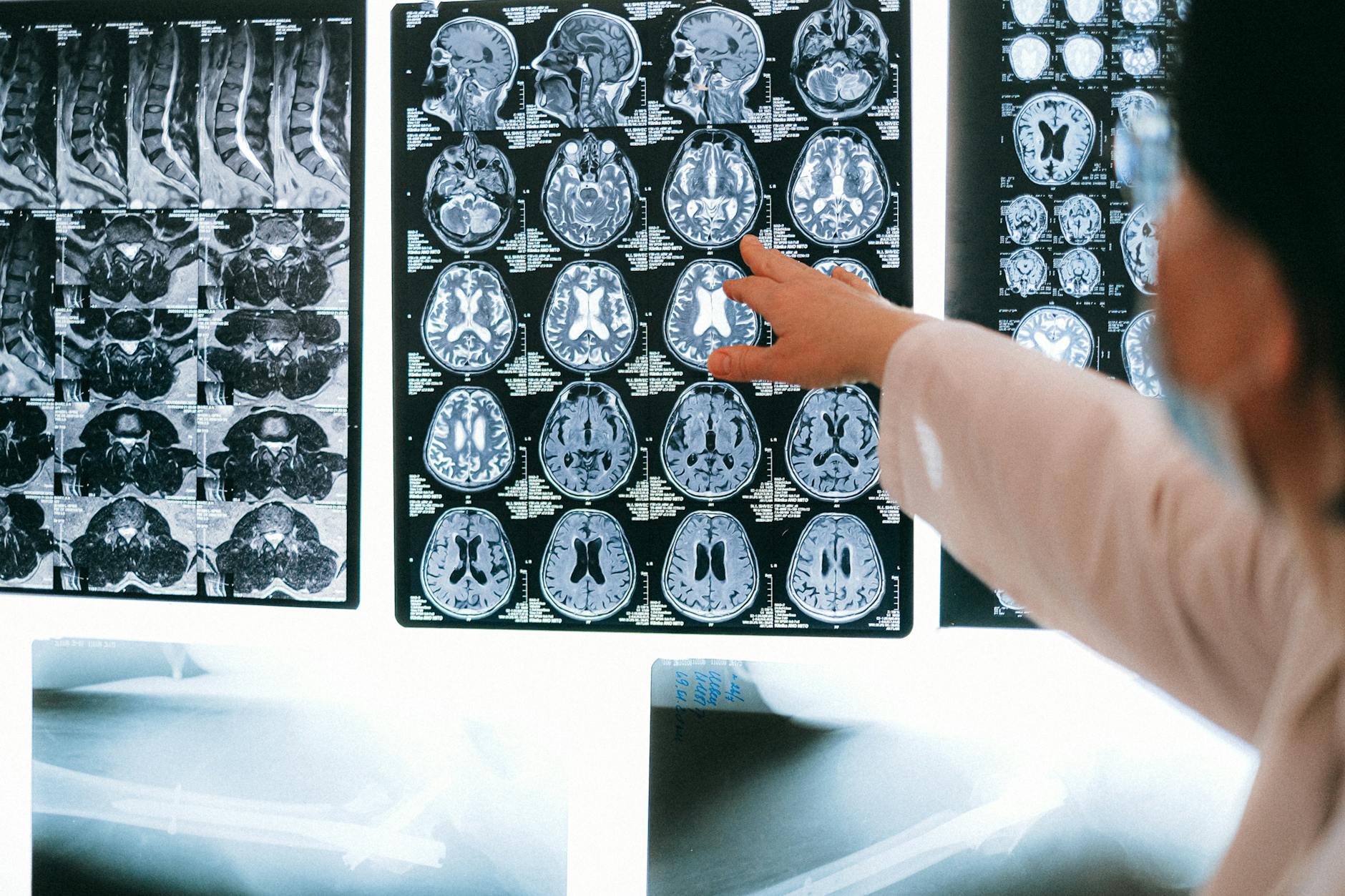
What is Finger Agnosia? Finger agnosia is a fascinating and often perplexing neurological condition characterized by the inability to recognize, identify, or distinguish one's own fingers or the fingers of others. It's not about a physical inability to move or see the fingers, but rather a disconnect in the brain's processing of this information. This condition can manifest in various ways, from simply being unable to name a touched finger to struggling with tasks that require fine motor control and spatial awareness related to the digits. While it can occur in isolation, finger agnosia is frequently observed as part of a broader neurological condition known as Gerstmann syndrome. Symptoms of Finger Agnosia The primary symptom of finger agnosia is the core difficulty in recognizing and naming fingers. This can present itself in several ways: Inability to Recognize and Name Own Fingers: When asked to identify a specific finger on their own hand, the individual may be unable to do so. Difficulty Distinguishing or Naming Others' Fingers: Similarly, when presented with another person's hand, they may struggle to identify or name the fingers. Challenges with Finger Localization: Individuals might find it difficult to move a specific finger when asked, even if they understand the instruction. Potential for Toe Agnosia: In some cases, the condition can extend to the toes, a broader condition known as digit agnosia. It's important to note that finger agnosia can sometimes be subtle, and individuals might develop compensatory strategies to navigate daily tasks. However, the underlying difficulty remains. Finger Agnosia and Gerstmann Syndrome Finger agnosia often appears as part of Gerstmann syndrome, a rare neurological disorder that affects several cognitive and motor functions. The classic symptoms of Gerstmann syndrome include: Finger Agnosia: The inability to recognize or name fingers. Acalculia: Difficulty with mathematical calculations. Left-Right Disorientation: Inability to distinguish between the left and right sides of the body. Dysgraphia or Agraphia: Impairment in the ability to write. While the presence of all four symptoms constitutes 'true' Gerstmann syndrome, it's more common for individuals to experience a combination of two or three of these symptoms, sometimes alongside other cognitive irregularities. The presence of finger agnosia alongside these other symptoms strongly suggests a lesion in a specific area of the brain. Causes of Finger Agnosia Finger agnosia is typically caused by damage to specific pathways in the brain. The most commonly implicated area is the left posterior parietal cortex . This region of the brain plays a crucial role in spatial awareness, body image, and sensory processing, making it vital for recognizing our own body parts. The brain damage responsible for finger agnosia can stem from various factors: Strokes: Damage to the brain due to interrupted blood flow. Brain Tumors: Abnormal growths that can press on or damage brain tissue. Traumatic Brain Injury (TBI): Injuries resulting from a blow or jolt to the head. Infections: Certain viruses or infections that affect the brain and nervous system. Degenerative Brain Diseases: Conditions like Alzheimer's disease or other forms of dementia that cause progressive brain cell death. Developmental Disorders: In some rare cases, it may be linked to congenital conditions affecting brain development. Understanding the cause is critical for diagnosis and treatment, as it helps identify the extent of brain involvement and potential underlying conditions. Diagnosis of Finger Agnosia Diagnosing finger agnosia usually involves a series of simple yet specific tests conducted by a neurologist or other healthcare professional. These tests are designed to assess the individual's ability to recognize and differentiate their fingers. Common diagnostic methods include: Sensory Testing: With the person's eyes open (to ensure they can see) and then closed, the examiner may lightly touch one of their fingers. The individual is then asked to identify which finger was touched. A significant rate of misidentification (often cited as 20% or more) can indicate finger agnosia. Localization Tasks: The examiner might touch a finger on one hand and ask the individual to move the corresponding finger on the opposite hand. Finger Counting and Identification: Simple tasks involving counting fingers or identifying them by name. To understand the extent of brain damage and rule out other serious conditions, imaging tests such as a Brain MRI or CT scan are often recommended. These scans can reveal the location and nature of any lesions or abnormalities in the brain. Treatment and Management Currently, there is no specific cure for finger agnosia itself, as it is a symptom of underlying brain damage. However, treatment focuses on addressing the root cause and managing the symptoms to improve quality of life. Treating Underlying Conditions: If finger agnosia is caused by a treatable condition like a brain tumor or infection, addressing that primary issue (e.g., through surgery or medication) can sometimes lead to improvement in the agnosia symptoms. Specialized Therapies: Occupational therapy and speech therapy can be beneficial. Therapists can help individuals develop compensatory strategies, improve motor planning, and enhance their ability to perform daily tasks. Counseling: Psychological support can help individuals and their families cope with the challenges and frustrations associated with neurological conditions. For conditions like Gerstmann syndrome, early intervention, especially in younger individuals, offers a better prognosis for functional recovery. While a complete return to normal function may not always be possible, significant improvements can often be achieved with consistent therapy and management. When to Consult a Doctor If you or someone you know experiences unexplained difficulties in recognizing or naming fingers, or if
In summary, timely diagnosis, evidence-based treatment, and prevention-focused care improve long-term health outcomes.