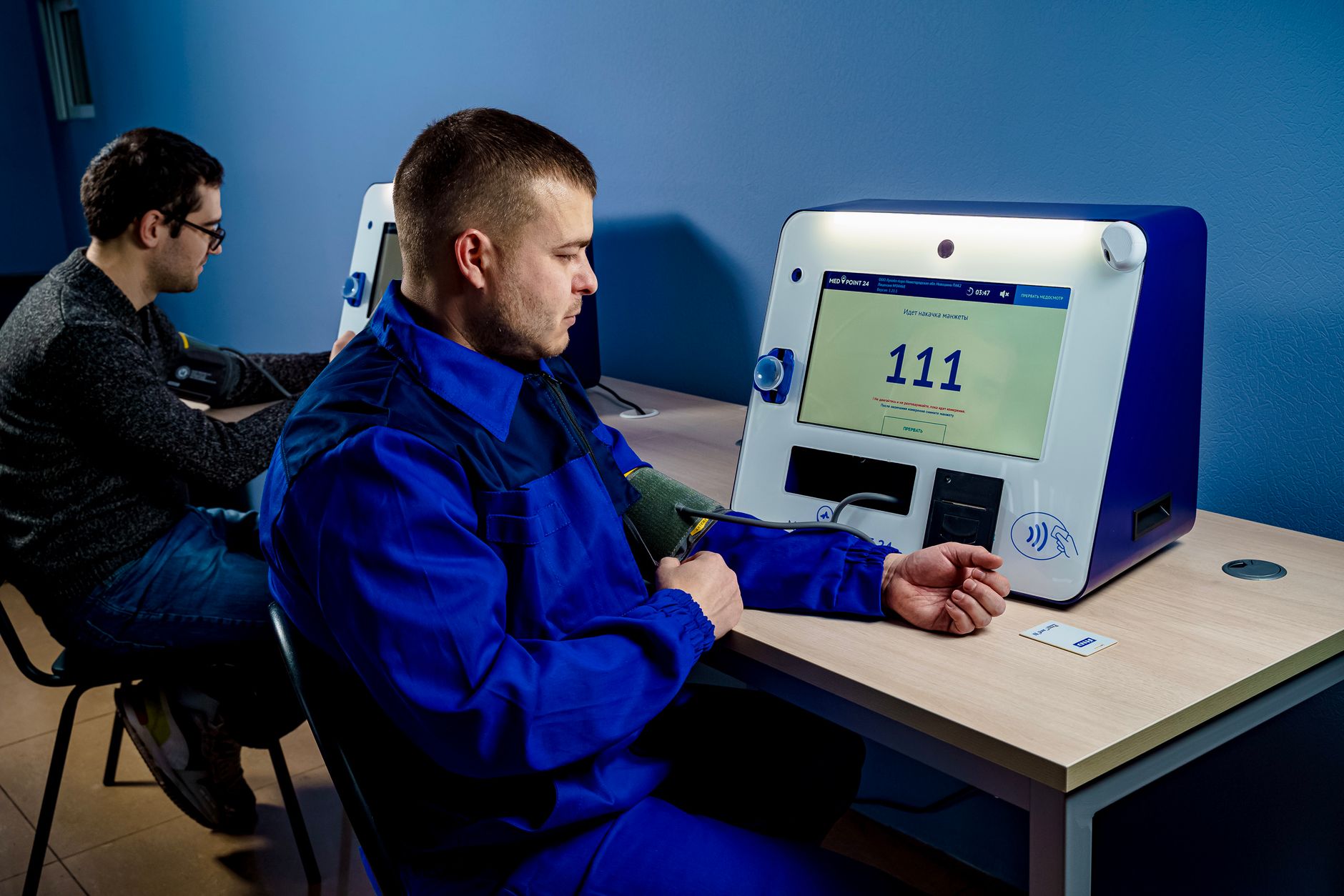
Understanding Geographic Atrophy (GA) and its Link to Cardiovascular Health Geographic atrophy (GA) is a serious form of age-related macular degeneration (AMD), a condition that affects millions worldwide. It impacts the macula, the central part of your retina responsible for sharp, clear vision. As GA progresses, it leads to the deterioration of retinal cells and blood vessels, causing blind spots and potentially irreversible vision loss. While GA is an eye condition, emerging research highlights a crucial connection between its progression and common cardiovascular risk factors: high blood pressure and high cholesterol. This article explores why monitoring these vital signs is essential for individuals with or at risk of developing GA, offering practical advice for managing these conditions and protecting your vision. What is Geographic Atrophy? Age-related macular degeneration (AMD) is a leading cause of vision loss in older adults. It affects the macula, a small area in the retina that controls sharp, detailed central vision. AMD can be classified into two types: dry AMD and wet AMD. Geographic atrophy is an advanced stage of dry AMD. In GA, the cells in the macula responsible for processing light and sending signals to the brain begin to die off. This damage is progressive and can lead to significant and permanent vision impairment. The Connection: High Blood Pressure, High Cholesterol, and GA Progression The delicate blood vessels within the retina are susceptible to damage from systemic health issues. Both high blood pressure and high cholesterol can negatively impact these retinal blood vessels, potentially accelerating the progression of AMD to GA and worsening existing GA. How High Blood Pressure Affects Your Eyes High blood pressure, also known as hypertension, exerts excessive force against the artery walls. Over time, this sustained pressure can damage the blood vessels throughout your body, including those in the retina. This damage can lead to reduced blood flow to the retina, starving the cells of oxygen and nutrients. This compromised circulation can exacerbate existing AMD and contribute to the development or worsening of geographic atrophy. How High Cholesterol Affects Your Eyes Cholesterol, a waxy substance found in your blood, is essential for building healthy cells. However, high levels of low-density lipoprotein (LDL), often referred to as "bad" cholesterol, can lead to the buildup of fatty deposits, called plaque, in arteries. In the context of eye health, high LDL cholesterol can contribute to the formation of drusen under the retina. Drusen are yellowish deposits that are a hallmark of AMD. An increase in the size and number of drusen is often an indicator that AMD is progressing. High cholesterol levels may therefore increase the risk of AMD advancing to geographic atrophy. Monitoring Your Blood Pressure: A Vital Step Regularly monitoring your blood pressure is crucial, especially if you have or are at risk for AMD/GA. The U.S. Department of Health and Human Services recommends that adults have their blood pressure checked by a doctor at least once a year starting at age 40. However, if you have risk factors for high blood pressure, you may need to start earlier or have it checked more frequently. Understanding Blood Pressure Readings Blood pressure is measured in millimeters of mercury (mm Hg) and is reported as two numbers: Systolic pressure (the top number): Measures the pressure in your arteries when your heart beats. Diastolic pressure (the bottom number): Measures the pressure in your arteries between heartbeats. According to the American Heart Association (AHA), healthy blood pressure for adults is generally considered to be less than 130/80 mm Hg. Readings consistently above this may indicate high blood pressure, a condition that requires management. How to Check Your Blood Pressure You can have your blood pressure checked at your doctor's office, at many pharmacies, or at home using a home blood pressure monitor. Your doctor can guide you on how to use a home monitor accurately. For the most reliable readings: Avoid exercise, smoking, and caffeine for at least 30 minutes before checking. Sit with your back straight and feet flat on the floor. Take two readings, one minute apart, and record the results to share with your doctor. If you have high blood pressure, your doctor will advise on the frequency of home monitoring. Monitoring Your Cholesterol Levels Cholesterol tests provide a comprehensive picture of your lipid profile. The AHA recommends that healthy adults aged 20 and older get a cholesterol test every 4–6 years. Individuals with heart disease or those at high risk may require more frequent testing. Understanding Cholesterol Readings Cholesterol levels are measured in milligrams per deciliter (mg/dL). A standard cholesterol test includes: Total cholesterol: The sum of HDL, LDL, and 20% of your triglyceride level. LDL cholesterol (bad cholesterol): High levels can contribute to plaque buildup. HDL cholesterol (good cholesterol): Helps remove excess cholesterol from arteries. Triglycerides: A type of fat in your blood. Healthy cholesterol levels for adults generally include: Total cholesterol: Less than 200 mg/dL LDL cholesterol: Less than 100 mg/dL (or even lower for those at high risk) HDL cholesterol: 60 mg/dL or higher Your doctor will interpret these numbers in the context of your overall health and risk factors. Lifestyle Modifications for Better Eye and Heart Health Managing blood pressure and cholesterol often involves adopting healthier lifestyle habits. These changes can benefit both your cardiovascular system and your eye health: Diet: Adopt a heart-healthy diet rich in fruits, vegetables, whole grains, and lean proteins. Limit intake of
In summary, timely diagnosis, evidence-based treatment, and prevention-focused care improve long-term health outcomes.