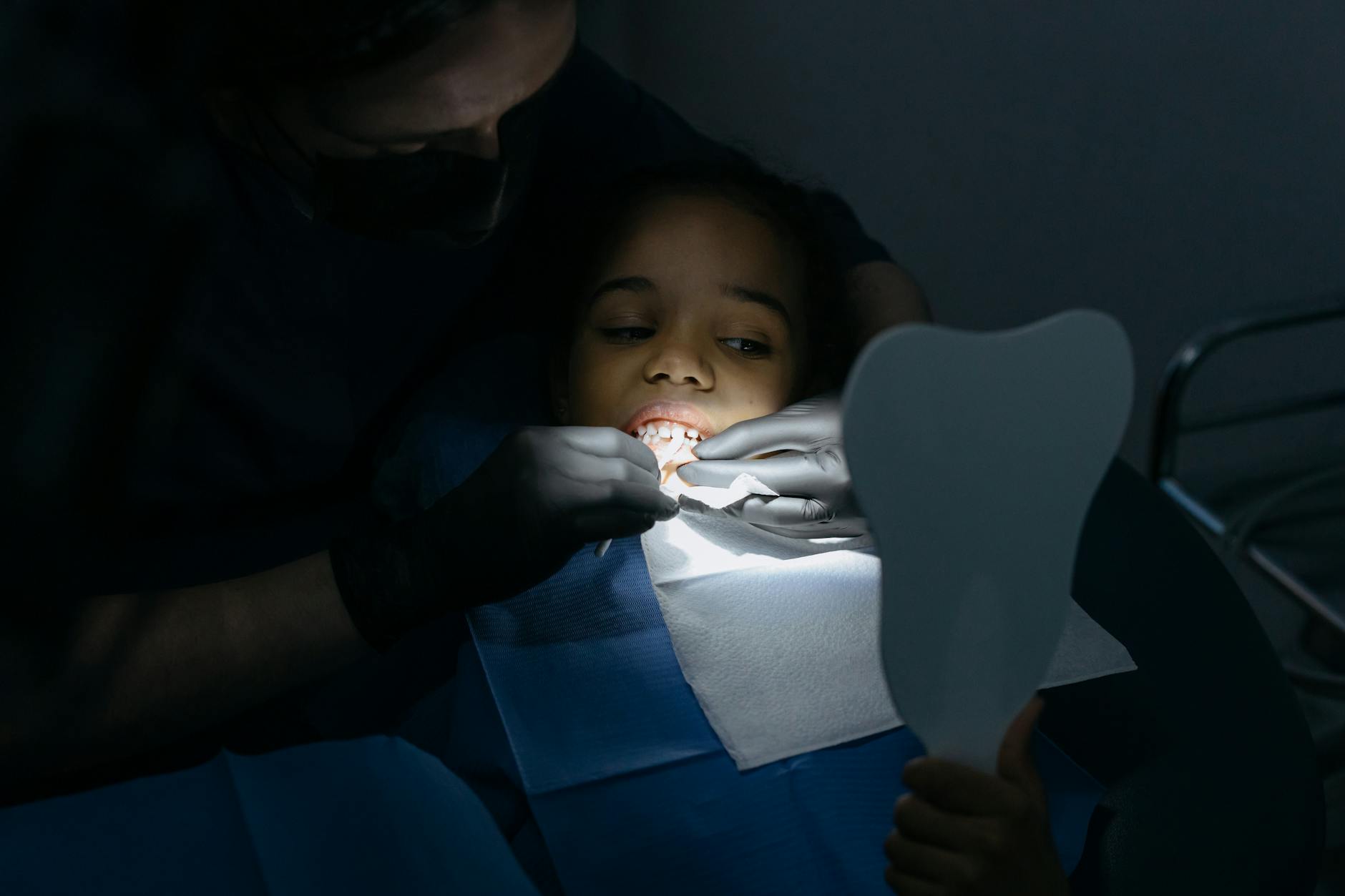
Gastroesophageal reflux, commonly known as acid reflux, is a condition where stomach acids flow back into the esophagus. While often associated with discomfort like heartburn and a bitter taste, its effects can extend beyond the digestive tract, significantly impacting your dental health. When acid reflux becomes chronic and leads to more severe issues, it's termed Gastroesophageal Reflux Disease (GERD). One of the serious, yet often overlooked, complications of GERD is dental erosion. This occurs when the strong acids from your stomach repeatedly come into contact with your teeth, gradually wearing away the protective outer layer, known as enamel. This erosion is a different process than tooth decay, which is typically caused by bacteria. Understanding how GERD affects your teeth and what steps you can take to protect your smile is crucial for maintaining overall oral health. How GERD Leads to Dental Erosion The enamel on your teeth is the hardest substance in the human body, providing a robust shield against damage. However, it is not invincible. Acids, whether from acidic foods and drinks, certain medications, or stomach acid from GERD, can soften this enamel layer. This softening process is called erosion. In the context of GERD, the frequent regurgitation of stomach acid into the mouth is the primary culprit. Saliva plays a vital role in neutralizing acids and washing away food particles, thus protecting teeth. However, during a GERD episode, the sheer volume and acidity of stomach acid can overwhelm the neutralizing capacity of saliva. This problem is often exacerbated at night. When you lie down, gravity no longer helps keep the acid down, and saliva production naturally decreases during sleep. This means that stomach acid can linger in your mouth for extended periods, continuously attacking the tooth enamel without adequate defense. Signs and Symptoms of Acid Reflux on Teeth The damage caused by GERD-related dental erosion may not be immediately apparent, but as it progresses, several signs and symptoms can emerge. These often manifest as changes in the teeth's appearance, sensitivity, and even pain. You might notice: Increased Sensitivity: Teeth may become more sensitive to hot, cold, or sweet foods and beverages, leading to discomfort or sharp pain. Changes in Appearance: The teeth might start to look yellow, chalky, or develop small pits on their surface. The edges of the teeth may feel sharp, or the surface might appear unusually smooth or glossy. Pain or Tenderness: A persistent ache or tenderness in the teeth can be an indicator of enamel erosion. In more severe cases of dental erosion, the risk of developing cavities increases significantly. The weakened enamel is more susceptible to bacterial invasion, leading to decay. In extreme and untreated situations, dental erosion can even lead to more serious complications like a tooth abscess or, ultimately, tooth loss. Therefore, recognizing these symptoms early and seeking appropriate medical and dental advice is paramount. Diagnosis and Restorative Treatments Diagnosing dental erosion caused by GERD typically involves a thorough examination by a dentist. They will assess the pattern and severity of the erosion, looking for characteristic signs like smooth, glossy surfaces, loss of cusps, and increased tooth sensitivity. Your dentist may also inquire about your medical history, including any symptoms of acid reflux or diagnosed GERD. While the dental erosion caused by GERD cannot be reversed, meaning the lost enamel cannot be regenerated, dentists can offer various restorative treatments to improve the appearance, function, and strength of your teeth. These treatments aim to protect the underlying tooth structure and alleviate sensitivity. Common restorative options include: Fillings: For smaller areas of erosion, composite resin or other dental filling materials can be used to restore the tooth's shape and surface. Bonding: Similar to fillings, dental bonding uses tooth-colored resin to repair chipped or eroded areas, improving aesthetics and protecting the tooth. Crowns: For more extensive damage, dental crowns (caps) may be recommended. A crown covers the entire visible portion of the tooth, providing protection and restoring its form and function. Veneers: In cases where aesthetic concerns are primary, thin shells of porcelain or composite material called veneers can be bonded to the front of the teeth to mask erosion and improve appearance. Additionally, your dentist might recommend treatments to strengthen the remaining tooth enamel and reduce sensitivity. This often includes the application of a prescription-strength fluoride gel. Using a toothpaste specifically formulated for sensitive teeth can also provide relief from discomfort. Preventing Dental Erosion from GERD Protecting your teeth from the damaging effects of acid reflux involves a two-pronged approach: managing GERD itself and implementing specific dental care strategies. The primary goal is to reduce the frequency and duration of acid exposure to your teeth. Managing GERD Symptoms: Effectively managing your GERD is the first and most crucial step. This often involves lifestyle modifications and, in some cases, medication. Consider the following: Dietary Adjustments: Identify and avoid foods and beverages that trigger your acid reflux symptoms. Common triggers include spicy foods, fatty foods, chocolate, caffeine, alcohol, and carbonated drinks. Eating Habits: Avoid eating large meals, and try not to eat within 3 hours of bedtime. This reduces the likelihood of reflux occurring while you are lying down. Lifestyle Changes: Maintaining a healthy weight, quitting smoking, and avoiding alcohol can significantly help in managing GERD. Medications: Over-the-counter antacids can provide temporary relief for mild symptoms. However, for persistent or severe GERD, it is essential to consult a doctor. They can prescribe medications such as
In summary, timely diagnosis, evidence-based treatment, and prevention-focused care improve long-term health outcomes.