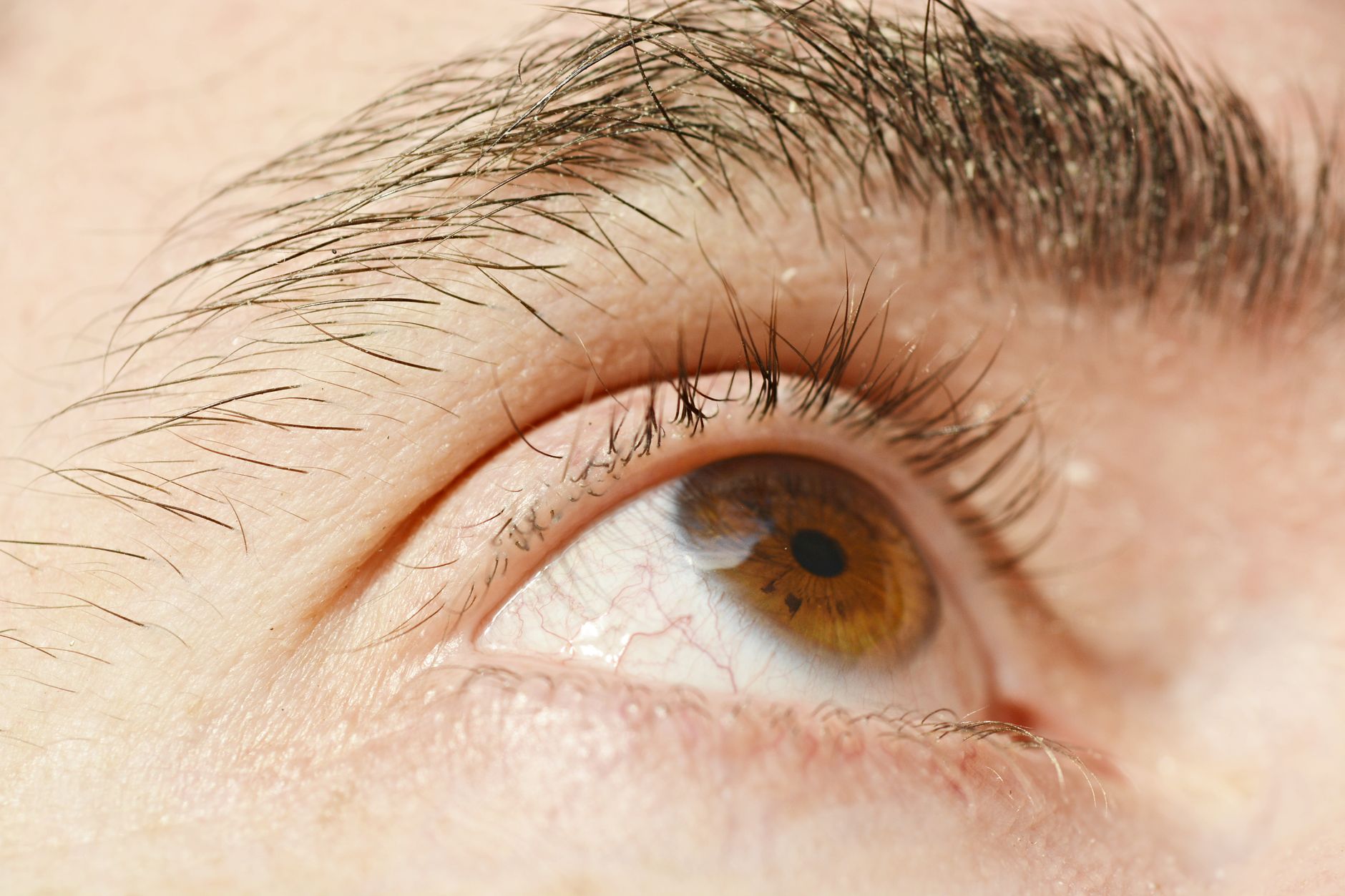
Giant Cell Arteritis (GCA) is a serious condition that affects the arteries, primarily those in your head. These blood vessels, which supply vital oxygen to your brain and eyes, become inflamed. When these arteries swell, they narrow, restricting the flow of blood. This reduction in blood supply, known as ischemia, can cause significant damage to your eyes and, in severe cases, lead to sudden and irreversible vision loss. For individuals in India, understanding the symptoms and seeking prompt medical attention is paramount to preserving sight.
What is Giant Cell Arteritis (GCA)?
Arteries are the body's essential highways, carrying oxygen-rich blood from your heart to every tissue and organ. In GCA, these crucial pathways in your head experience inflammation. Imagine a pipe becoming clogged and narrowed; the flow through it reduces. Similarly, inflamed arteries in GCA carry less blood. This insufficient blood flow is the root cause of many of the problems associated with GCA, particularly its impact on vision.
How GCA Affects Your Eyes
The eyes require a constant and healthy supply of blood to function correctly. GCA can disrupt this supply in several ways:
- Narrowed Arteries: The inflammation causes the arteries supplying the eyes, including the ophthalmic artery and its branches, to narrow. This directly reduces the amount of oxygen and nutrients reaching the delicate structures of the eye.
- Optic Nerve Damage: A significant complication of GCA is ischemic optic neuropathy (ION). This occurs when the optic nerve, which transmits visual information from the eye to the brain, doesn't receive enough blood. This lack of blood flow can damage the optic nerve fibers, leading to vision impairment.
- Reduced Blood Flow to Visual Pathways: GCA can also affect the blood vessels that supply parts of the brain responsible for processing vision. This can result in a loss of peripheral (side) vision.
The consequences of this reduced blood flow can range from mild visual disturbances to complete and permanent blindness. The speed at which vision loss can occur is particularly alarming; it can happen very suddenly.
Common Symptoms of GCA
While GCA can affect anyone, it's more common in people over the age of 50, particularly women. Recognizing the signs is the first step towards early intervention. Common symptoms include:
- Severe Headaches: Often described as a new type of headache, it can be intense and localized, especially around the temples.
- Jaw Pain: Pain in the jaw when chewing, known as claudication, is a classic symptom. You might find it difficult to chew tougher foods.
- Scalp Tenderness: The area on the side of your head may become very sensitive to touch. Even brushing your hair can be painful.
- Fever and Fatigue: Unexplained fever, along with general tiredness and malaise, can accompany GCA.
- Vision Changes: This is the most critical symptom related to eye health. It can include:
- Sudden, painless loss of vision in one or both eyes.
- Temporary blurring or double vision.
- Loss of peripheral vision.
It's important to note that some individuals may experience vision loss without any preceding symptoms, making regular eye check-ups even more vital.
A Real-Life Scenario:
Mrs. Sharma, a 65-year-old homemaker from Delhi, started experiencing persistent headaches and pain in her jaw whenever she ate her favourite chapatis. She initially dismissed it as age-related aches. However, one morning, she noticed her vision had become blurry, and she felt a strange ache in her temples. Concerned, her son rushed her to the nearest hospital, where doctors quickly suspected GCA.
Diagnosing Vision Problems Related to GCA
If you experience any of the symptoms mentioned, especially sudden vision changes or severe headaches, it's crucial to see a doctor immediately. An eye specialist (ophthalmologist) will conduct several tests to diagnose vision loss related to GCA:
- Visual Acuity Test: This standard eye exam checks the sharpness of your vision, usually with an eye chart. Normal vision is 20/20.
- Dilated Eye Exam: Your doctor will use eye drops to widen your pupils, allowing a better view of the retina and optic nerve for signs of damage.
- Palpation of Temporal Arteries: The doctor may gently feel the arteries on the sides of your head to check for thickening, tenderness, or reduced pulse, which can indicate inflammation.
- Visual Field Test: This test maps out your peripheral vision to detect any blind spots or areas of vision loss.
- Fluorescein Angiography: In this test, a special dye is injected into your arm. As it travels to the blood vessels in your eye, a camera captures images to highlight any blockages or abnormalities in blood flow.
- Temporal Artery Biopsy: Sometimes, a small sample of the temporal artery may be removed and examined under a microscope to confirm inflammation characteristic of GCA.
Treatment and Prevention
The cornerstone of GCA treatment is prompt initiation of high-dose corticosteroid medications, such as prednisone. These powerful anti-inflammatory drugs are vital for reducing inflammation in the arteries and preventing further damage, especially to the eyes. The goal is to start these medications as soon as GCA is suspected, even before a definitive diagnosis is confirmed, to preserve vision.
- Corticosteroids: These are the primary treatment. They help reduce inflammation and restore blood flow. Doctors often start with high doses and gradually decrease them as symptoms improve.
- Monitoring: Regular follow-up appointments with your doctor and eye specialist are essential to monitor your condition, adjust medication, and watch for side effects.
- Gradual Tapering: Once symptoms are under control, the steroid dosage is slowly reduced over months or even years. It's crucial not to stop the medication abruptly without medical guidance.
- Managing Side Effects: Long-term steroid use can have side effects like weakened bones (osteoporosis) or cataracts. Your doctor may prescribe other medications or lifestyle changes to manage these risks.
Prevention: While GCA itself cannot be entirely prevented, early diagnosis and treatment are key to preventing its most devastating complication: vision loss. Being aware of the symptoms and seeking immediate medical help if you experience any warning signs is the most effective strategy.
What Happens If GCA Affects Your Eyes?
If GCA affects your eyes, the consequences can be severe. Blindness from GCA is primarily due to the optic nerve being damaged by a lack of blood (ischemic optic neuropathy). This vision loss can happen very quickly.
Risk of Permanent Blindness:
- About 30% to 50% of people with untreated GCA will lose vision in one eye.
- For some, blindness in the second eye can occur within 1 to 10 days after the first.
- Without treatment, about one-third of those who lose vision in one eye will eventually lose sight in the other eye as well.
- Crucially, once sight is lost due to GCA, it cannot be restored. This highlights the absolute urgency of seeking medical help at the first sign of symptoms.
Fortunately, starting treatment quickly can prevent you from losing your sight. If you are diagnosed with GCA and start treatment, your symptoms should begin to improve within 1 to 3 days.
When to Consult a Doctor
Seek immediate medical attention if you experience any of the following:
- Sudden, unexplained vision loss or changes (blurring, double vision).
- A severe, new headache, especially if accompanied by scalp tenderness or jaw pain.
- Fever or unexplained fatigue.
- Any of the symptoms of GCA, particularly if you are over 50 years old.
Do not delay. Prompt diagnosis and treatment are critical to preserving your vision and overall health.
Frequently Asked Questions (FAQ)
Q1: Can vision loss from GCA be reversed?
A1: Unfortunately, vision loss caused by GCA, particularly ischemic optic neuropathy, is generally permanent. This is why immediate treatment is essential to prevent further loss.
Q2: How long does treatment for GCA last?
A2: Treatment with corticosteroids can last for an extended period, often one to two years, or even longer, depending on the individual's response and doctor's recommendations. The dosage is gradually reduced over time.
Q3: Are there alternatives to steroids for GCA treatment?
A3: While corticosteroids are the primary treatment, doctors may sometimes consider steroid-sparing agents, such as methotrexate or biologics, for some patients, especially to manage long-term side effects. However, steroids are usually the first line of defence to quickly control inflammation and save vision.
Q4: Can GCA affect other parts of the body besides the head and eyes?
A4: Yes, GCA is a systemic condition and can affect other large arteries in the body, potentially leading to complications in the arms, legs, or internal organs. However, the most urgent concern is often its impact on vision.