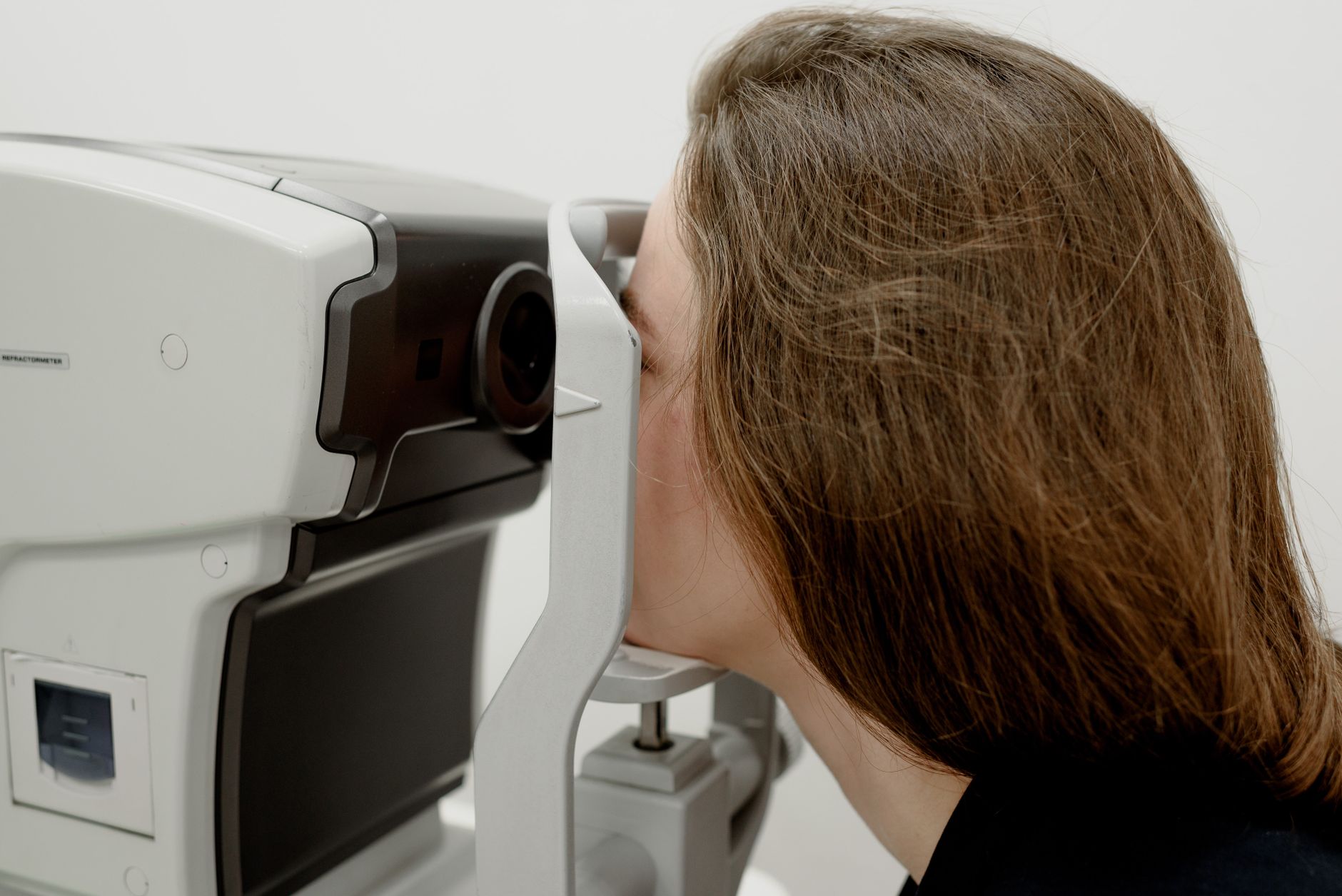
Understanding Glaucoma and Its Link to Blindness
Glaucoma is a serious eye condition that can lead to irreversible vision loss and even blindness if not detected and treated promptly. It affects millions worldwide, and understanding its nuances is crucial for maintaining eye health, especially for the Indian population where regular eye check-ups might not be a priority for everyone. This condition damages the optic nerve, which is vital for transmitting visual information from the eye to the brain. While often progressive and silent in its early stages, glaucoma can stealthily rob individuals of their sight.
What is Glaucoma?
Glaucoma is not a single disease but a group of eye conditions characterized by damage to the optic nerve. This damage is often, but not always, associated with elevated intraocular pressure (IOP), the pressure inside your eye. The eye is filled with a clear fluid called aqueous humor, which nourishes the eye and maintains its shape. If this fluid doesn't drain properly or is overproduced, it can build up, increasing pressure within the eye. This increased pressure can press on the optic nerve, causing damage and leading to vision loss.
Types of Glaucoma
There are several types of glaucoma, but the two most common are:
- Open-Angle Glaucoma: This is the most prevalent form, accounting for about 90% of cases in India and globally. In open-angle glaucoma, the drainage angle of the eye appears normal, but fluid doesn't flow out properly. It typically develops slowly over many years, often without any noticeable symptoms in the early stages. This slow progression makes it particularly dangerous, as significant vision loss can occur before a person realizes they have a problem.
- Angle-Closure Glaucoma: This type is less common but can be more aggressive. It occurs when the iris (the coloured part of the eye) bulges forward, narrowing or blocking the drainage angle. This blockage can cause a sudden, sharp increase in eye pressure, leading to a rapid loss of vision, often within days. This is considered a medical emergency and requires immediate attention. Symptoms can include severe eye pain, nausea, vomiting, blurred vision, and halos around lights.
Other less common types include normal-tension glaucoma, congenital glaucoma, and secondary glaucoma, which can arise due to other medical conditions or medications.
Symptoms of Glaucoma
The insidious nature of open-angle glaucoma means that early symptoms are often absent. As the condition progresses, peripheral (side) vision is typically affected first. People may notice:
- Gradual loss of side vision, leading to tunnel vision in advanced stages.
- Difficulty seeing at night.
- Sensitivity to glare.
- Blurred vision.
Angle-closure glaucoma, on the other hand, presents with acute and severe symptoms:
- Sudden, severe eye pain.
- Nausea and vomiting.
- Blurred vision.
- Halos around lights.
- Redness of the eye.
It is crucial to remember that by the time vision loss is noticeable, significant and irreversible damage may have already occurred.
Causes and Risk Factors
While the exact cause of glaucoma is not fully understood, several factors increase an individual's risk:
- Age: The risk increases significantly after the age of 40, and even more so for individuals over 60.
- Family History: A genetic predisposition plays a significant role. If close family members have glaucoma, your risk is higher.
- High Intraocular Pressure (IOP): This is a primary risk factor, although not everyone with high IOP develops glaucoma, and some people can develop it with normal IOP.
- Race: Certain ethnic groups have a higher prevalence. For instance, people of African descent are at a higher risk for open-angle glaucoma, while those of East Asian descent may be at higher risk for angle-closure glaucoma.
- Medical Conditions: Diabetes, high blood pressure, heart disease, and sickle cell anemia can increase the risk.
- Eye Conditions: Severe nearsightedness (myopia) or farsightedness (hyperopia), thin corneas, and previous eye injuries or surgeries.
- Long-term use of Corticosteroids: Especially eye drops, can increase IOP.
Diagnosis of Glaucoma
Early diagnosis is key to preventing vision loss. Regular comprehensive eye examinations by an ophthalmologist are essential. The diagnostic process typically includes:
- Tonometry: Measures the intraocular pressure (IOP).
- Ophthalmoscopy: Allows the doctor to examine the optic nerve for signs of damage. This may involve dilating the pupils.
- Perimetry (Visual Field Test): Maps out the field of vision to detect any blind spots, especially in peripheral vision.
- Gonioscopy: Examines the drainage angle of the eye to determine if it is open or closed.
- Pachymetry: Measures the thickness of the cornea, which can affect IOP readings.
The frequency of eye exams depends on your age and risk factors. For individuals over 40 with no risk factors, an exam every 2-4 years is recommended. This frequency increases for those with risk factors or older age groups.
Treatment and Management
While there is currently no cure for glaucoma, and damaged optic nerve cells cannot be regenerated, treatment aims to lower eye pressure and prevent further vision loss. Treatment options include:
- Medications (Eye Drops): These are usually the first line of treatment. They work by reducing the production of aqueous humor or increasing its outflow. It's crucial to use them exactly as prescribed by your doctor.
- Laser Therapy: For open-angle glaucoma, laser trabeculoplasty can help improve fluid drainage. For angle-closure glaucoma, laser iridotomy creates a small hole in the iris to allow fluid to flow more freely.
- Surgery: If medications and laser therapy are insufficient, surgical procedures like trabeculectomy or glaucoma drainage devices may be recommended to create new drainage channels for the aqueous humor.
The goal of treatment is to stabilize the condition and preserve existing vision. Regular follow-ups are essential to monitor the effectiveness of the treatment and adjust it as needed.
Can Glaucoma Cause Blindness?
Yes, glaucoma can lead to permanent blindness if left untreated. The damage to the optic nerve is cumulative and irreversible. However, with early detection and consistent treatment, the progression of vision loss can be significantly slowed or halted, allowing individuals to maintain functional vision for many years.
Preventing Vision Loss from Glaucoma
Preventing blindness from glaucoma hinges on:
- Regular Eye Exams: This is the most critical step. Get your eyes checked regularly, especially if you have risk factors.
- Adhering to Treatment: If diagnosed, diligently follow your doctor's prescribed treatment plan, including using eye drops as directed.
- Healthy Lifestyle: While not a direct cure, maintaining a healthy lifestyle with a balanced diet and regular exercise can contribute to overall eye health. Some studies suggest that regular physical activity might help lower eye pressure.
- Awareness: Educate yourself and your loved ones about glaucoma and its risks.
When to Consult a Doctor
You should consult an eye doctor (ophthalmologist) immediately if you experience any of the sudden, severe symptoms associated with angle-closure glaucoma, such as severe eye pain, nausea, vomiting, or sudden blurred vision. Even without these acute symptoms, regular eye check-ups are vital, especially if you fall into any high-risk categories (age over 40, family history, diabetes, etc.). Don't wait for vision changes to occur, as this often signifies advanced damage.
Frequently Asked Questions (FAQ)
- Is blindness from glaucoma reversible?
Unfortunately, no. Once the optic nerve is damaged by glaucoma, the vision loss is permanent. However, treatment can prevent further damage and preserve the remaining vision.
- Can gene therapy cure glaucoma?
While research is ongoing, and some promising results have been seen in animal studies using gene therapy to reverse conditions similar to glaucoma, it is not yet a proven or available treatment for humans. It offers hope for future treatments.
- What is the difference between glaucoma and cataracts?
Glaucoma damages the optic nerve, affecting vision transmission. Cataracts cloud the lens of the eye, scattering light and blurring vision. Both can lead to vision loss but are distinct conditions with different causes and treatments.
- Can I prevent glaucoma entirely?
There is no guaranteed way to prevent glaucoma entirely, as some risk factors like age and genetics are beyond our control. However, regular eye exams and prompt treatment of risk factors can significantly reduce the likelihood of vision loss and blindness.
Disclaimer: This information is for educational purposes only and does not constitute medical advice. Always consult with a qualified healthcare provider for any health concerns or before making any decisions related to your health or treatment.