Understanding Glaucoma and Its Prevention
Glaucoma is a serious eye condition that can lead to irreversible vision loss and blindness if not detected and managed early. It affects the optic nerve, which is crucial for transmitting visual information from the eye to the brain. While some risk factors for glaucoma, such as age and family history, cannot be changed, adopting a healthy lifestyle can significantly reduce your risk and help protect your precious vision. This article explores practical steps you can take to prevent glaucoma or slow its progression, focusing on actionable advice for readers in India.
What is Glaucoma?
Glaucoma is not a single disease but a group of eye conditions characterized by damage to the optic nerve. The most common form, open-angle glaucoma, often develops gradually and painlessly. It's typically caused by a buildup of fluid inside the eye, which increases intraocular pressure (IOP). This elevated pressure can compress and damage the delicate fibers of the optic nerve. Without timely intervention, this damage can lead to blind spots and, eventually, complete vision loss.
Who is at Risk for Glaucoma?
Certain individuals have a higher risk of developing glaucoma. Understanding these risk factors can help you take proactive measures:
- Age: The risk of glaucoma increases significantly after the age of 60.
- Family History: If glaucoma runs in your family, your risk is higher.
- Ethnicity: People of Hispanic ethnicity, for example, have a higher prevalence of certain types of glaucoma.
- Medical Conditions: Conditions like diabetes, high blood pressure, heart disease, and thyroid problems can increase your risk. Vasospasms, a sudden narrowing of blood vessels, are also linked.
- Previous Eye Injury or Surgery: Trauma or surgery to the eye can sometimes lead to glaucoma.
- Long-term Steroid Use: Prolonged use of corticosteroid medications, especially eye drops, can raise IOP.
Key Strategies for Glaucoma Prevention
While you can't change your age or genetics, you can make significant lifestyle choices to lower your risk and protect your eyes. Here are six key strategies:
1. Regular Eye Examinations are Crucial
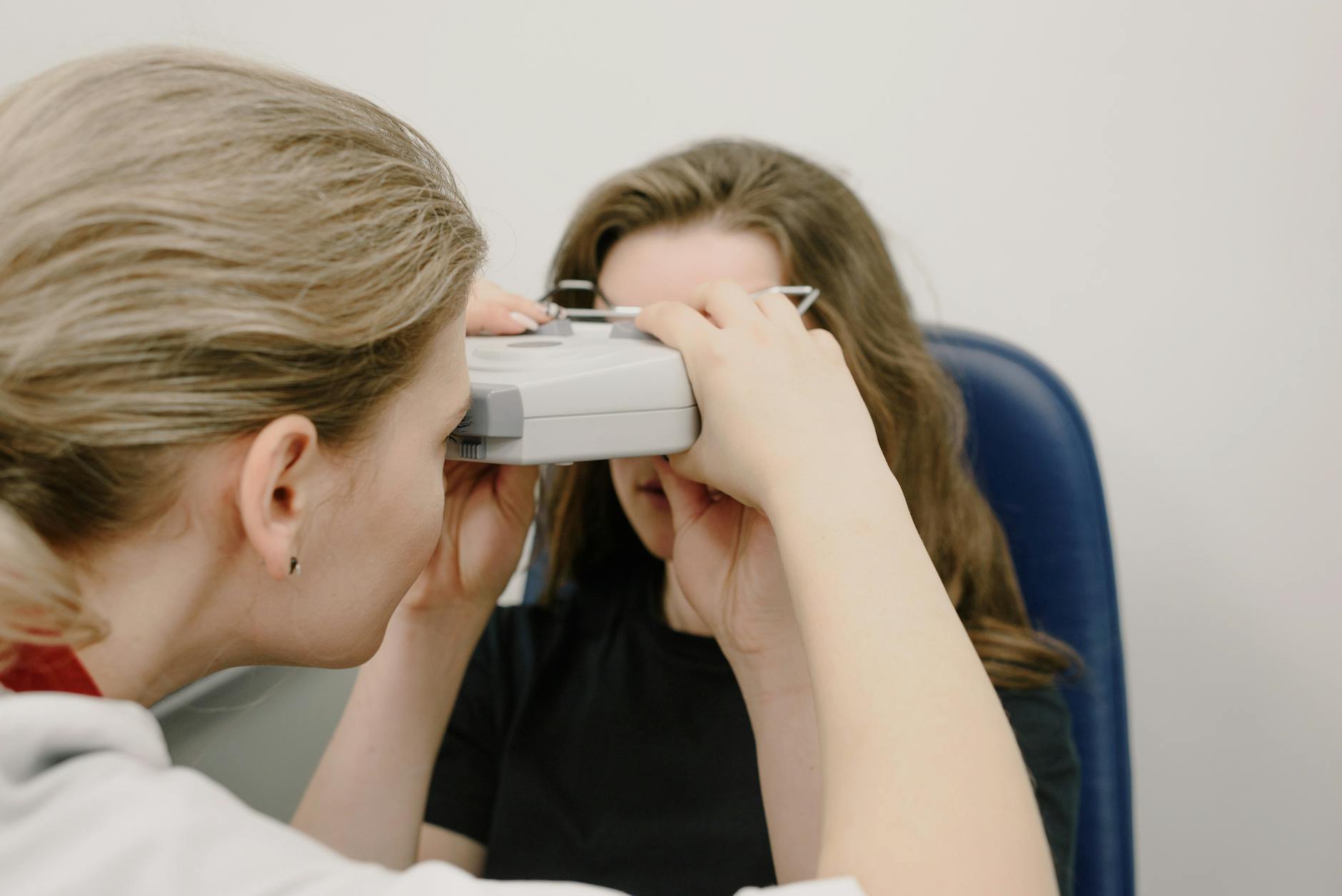
This is perhaps the single most important step in preventing vision loss from glaucoma. Early detection is key, as glaucoma often has no symptoms in its early stages. Regular comprehensive eye exams allow your eye doctor (ophthalmologist) to:
- Measure your intraocular pressure (IOP).
- Examine the health of your optic nerve.
- Check your peripheral (side) vision.
Recommended Schedule:
- Ages 20-39: At least one comprehensive eye exam.
- Ages 40-64: Every 1-2 years.
- Ages 65 and older: Every 1-2 years.
If you have any of the risk factors mentioned above, your eye doctor may recommend more frequent check-ups. If diagnosed with glaucoma, you'll likely need to visit your doctor every 3 to 6 months for monitoring.
2. Maintain a Healthy Weight and Balanced Diet
Being overweight or obese is linked to a higher risk of glaucoma. Excess weight can contribute to conditions like high blood pressure and atherosclerosis, both of which can affect eye health. A balanced diet is essential for overall health and can support your eyes:
- Focus on: Fresh fruits and vegetables, whole grains, lean proteins, and healthy fats.
- Nutrients to Consider: Ensure adequate intake of iron, vitamin B12, and folic acid, which are important for nerve health and blood cell production.
- Limit: Highly processed foods, excessive sugar, and unhealthy fats.
A moderate weight can help regulate blood vessel function in your eyes and reduce the risk of conditions associated with glaucoma.
3. Stay Physically Active
Regular physical activity offers numerous benefits for your eyes and overall health. Brisk aerobic exercise, such as brisk walking, jogging, swimming, or cycling, can:
- Improve blood flow to your eyes and brain.
- Help maintain a healthy weight.
- Lower intraocular pressure in some individuals.
Aim for at least 30-45 minutes of moderate-intensity aerobic exercise 3-4 times per week. Consult your doctor before starting any new exercise program, especially if you have existing health conditions.
4. Manage Blood Pressure Effectively
Both high blood pressure (hypertension) and low blood pressure (hypotension) have been linked to an increased risk of glaucoma. Maintaining blood pressure within a healthy range is vital.
- For High Blood Pressure:
- Adopt a diet rich in fruits, vegetables, potassium, fiber, and protein.
- Minimize intake of processed foods and sodium.
- Regular exercise and maintaining a healthy weight are key.
- Limit alcohol consumption.
- If prescribed, take blood pressure medication as directed.
- For Low Blood Pressure:
- Consult your doctor about potential causes and treatments.
- Ensure adequate hydration.
- Discuss any medications you are taking.
- Have your thyroid and blood sugar levels checked.
Regular monitoring of your blood pressure is essential.
5. Avoid Smoking
Smoking is detrimental to overall health, and research indicates a strong link between smoking and increased eye pressure. Current and past smokers have higher IOP than non-smokers, and this effect is more pronounced in individuals with glaucoma. Quitting smoking is one of the best decisions you can make for your eye health and your life.
6. Protect Your Eyes from Injury
While not directly related to the common forms of glaucoma, severe eye injuries can sometimes lead to secondary glaucoma. Always wear appropriate protective eyewear during activities that pose a risk of eye injury, such as:
- Sports (e.g., cricket, badminton, squash)
- DIY projects
- Yard work
- Certain industrial or occupational settings
When to Consult a Doctor
It's essential to see an eye doctor for regular check-ups as recommended. However, you should seek immediate medical attention if you experience any of the following symptoms, which could indicate a sudden, acute form of glaucoma (angle-closure glaucoma):
- Severe eye pain
- Nausea and vomiting
- Sudden decrease in vision
- Blurred vision
- Halos around lights
- Redness of the eye
These symptoms require urgent evaluation by an ophthalmologist.
Conclusion
Glaucoma is a significant threat to vision, but proactive steps can make a difference. By prioritizing regular eye exams, maintaining a healthy lifestyle that includes a balanced diet, regular exercise, managing blood pressure, avoiding smoking, and protecting your eyes, you can significantly reduce your risk of developing glaucoma or slow its progression. Your vision is a precious gift; take these steps today to preserve it for a lifetime.