Understanding Hemophilia A and Hemophilia B
Hemophilia is a group of inherited bleeding disorders that affect the blood's ability to clot. This means that people with hemophilia can bleed for a long time after an injury, bruise easily, and have a higher risk of bleeding into their joints and muscles. The two most common types of hemophilia are Hemophilia A and Hemophilia B. While they share many similarities, they are caused by different genetic mutations and have some distinct characteristics.
What is Hemophilia?
Normally, when you get a cut or injury, your body's clotting factors work together to form a blood clot, stopping the bleeding. In people with hemophilia, one of these clotting factors is missing or doesn't work properly. This leads to prolonged bleeding.
Hemophilia A: The Most Common Type
Hemophilia A is the most common form of hemophilia, accounting for about 80% of all cases. It is caused by a deficiency in clotting factor VIII. This deficiency is due to a mutation in the F8 gene, located on the X chromosome.
Hemophilia B: Also Known as Christmas Disease
Hemophilia B is the second most common type, occurring in about 1 in every 5,000 to 30,000 male births. It is caused by a deficiency in clotting factor IX, due to a mutation in the F9 gene, also located on the X chromosome. Hemophilia B was historically known as Christmas disease, named after Stephen Christmas, the first person diagnosed with the condition in 1952. It has also been referred to as the "Royal disease" due to its presence in European royalty.
Similarities Between Hemophilia A and B
Despite being caused by different gene mutations, Hemophilia A and B share many common features:
- Genetic Basis: Both are X-linked recessive disorders, meaning they are primarily passed down from mothers to their sons. Males have a higher incidence because they have only one X chromosome, so if it carries the mutated gene, they will develop the condition. Females, with two X chromosomes, would need to inherit the mutated gene from both parents to be affected, which is rare.
- Symptoms: The symptoms of both types are largely the same and depend on the severity of the factor deficiency. These can include:
- Easy or excessive bruising
- Prolonged bleeding from cuts, injuries, or after surgery/dental work
- Frequent or severe nosebleeds
- Bleeding into joints (hemarthrosis), causing pain and swelling
- Bleeding into muscles and soft tissues
- Blood in urine (hematuria) or stool (melena)
- In severe cases, spontaneous bleeding can occur without any apparent cause.
- Severity: The severity of both Hemophilia A and B is classified into mild, moderate, and severe, based on the level of clotting factor activity in the blood.
- Mild: 5% to 40% of normal clotting factor activity. Bleeding usually occurs only after significant injury or surgery.
- Moderate: 1% to 5% of normal clotting factor activity. Bleeding episodes occur more frequently, often after minor injuries.
- Severe: Less than 1% of normal clotting factor activity. Spontaneous bleeding into joints and muscles is common, occurring without injury.
- Treatment: The primary treatment for both conditions is the same: replacement therapy. This involves infusing a concentrate of the missing clotting factor (factor VIII for Hemophilia A, factor IX for Hemophilia B) into the bloodstream to stop or prevent bleeding.
- Outlook: With proper treatment and management, individuals with both Hemophilia A and B can lead relatively normal and productive lives. However, complications like joint damage can occur if bleeding is not managed effectively.
Key Differences Between Hemophilia A and B
The main distinction lies in the specific clotting factor that is deficient:
- Clotting Factor Involved: Hemophilia A involves a deficiency in factor VIII, while Hemophilia B involves a deficiency in factor IX.
- Prevalence: Hemophilia A is significantly more common than Hemophilia B.
- Genetic Gene: Hemophilia A is caused by mutations in the F8 gene, whereas Hemophilia B is caused by mutations in the F9 gene.
- Potential for Severity: While both can range from mild to severe, some research suggests that individuals with Hemophilia B might be slightly less prone to severe bleeding complications compared to those with severe Hemophilia A, though this is not a definitive rule.
- Gene Therapy Approvals: Gene therapy has been approved for both conditions, but the specific approvals and timelines may differ. For instance, gene therapy for Hemophilia B received FDA approval in November 2022, and for Hemophilia A in June 2023.
Diagnosis of Hemophilia A and B
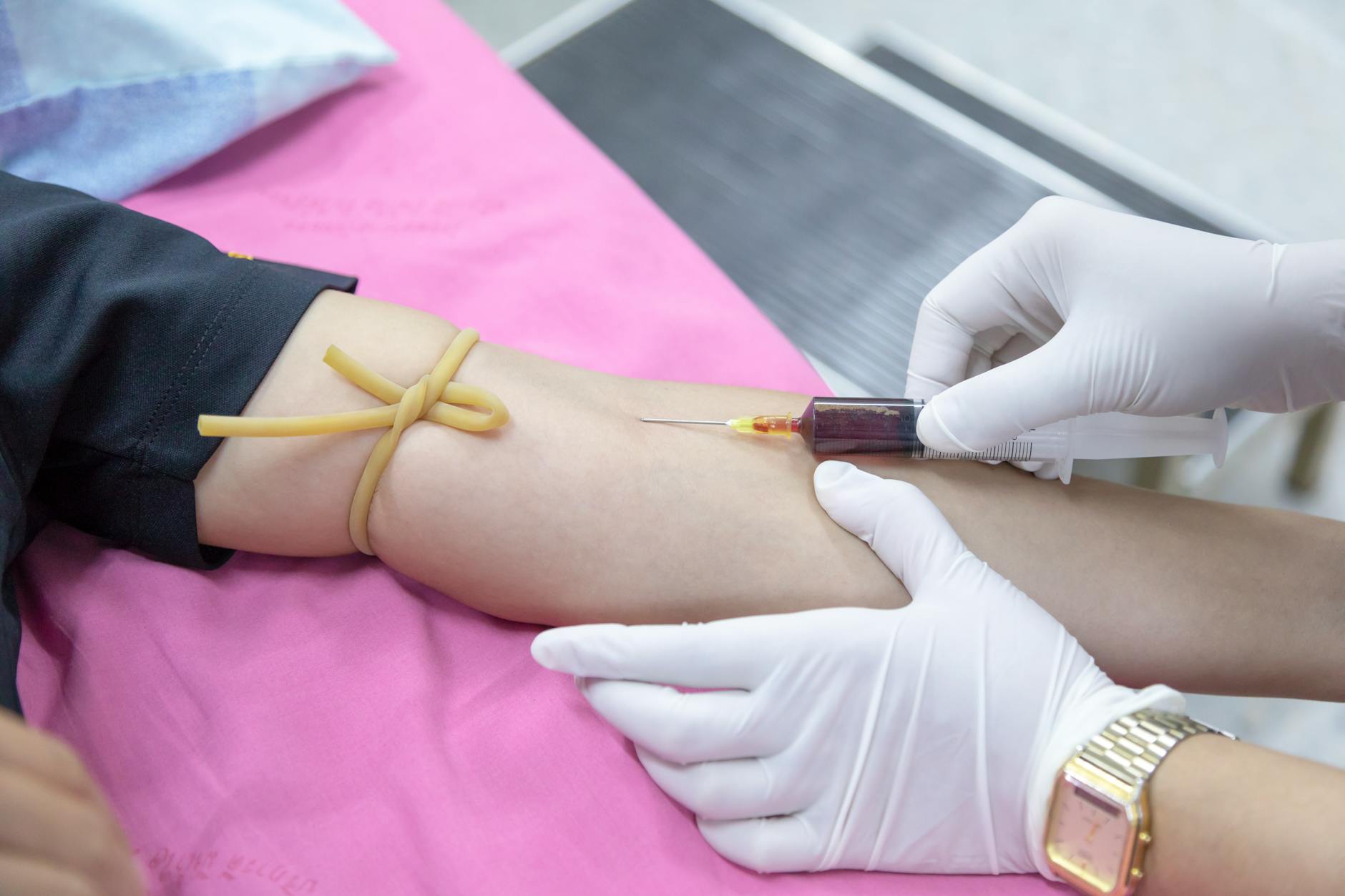
Diagnosing hemophilia involves a combination of medical history, physical examination, and laboratory tests. If hemophilia is suspected, a doctor will order blood tests to:
- Measure the levels of clotting factors VIII and IX in the blood.
- Assess how quickly blood clots.
- Check for the presence of inhibitors (antibodies that interfere with clotting factor treatment).
Genetic testing can also be performed to identify the specific mutation causing the disorder.
Treatment and Management
The cornerstone of hemophilia treatment is replacement therapy, where the deficient clotting factor is infused intravenously. This can be done on demand to treat bleeding episodes or prophylactically (regularly) to prevent bleeding, especially in severe cases.
- On-Demand Therapy: Used to stop bleeding episodes as they occur.
- Prophylactic Therapy: Regular infusions of clotting factor to maintain a certain level in the blood, significantly reducing the risk of spontaneous bleeding and joint damage.
- Gene Therapy: A newer treatment option that aims to provide a long-term solution by introducing a functional gene to enable the body to produce its own clotting factor. This is a complex and expensive treatment, but it holds great promise for the future.
- Medications: Desmopressin (DDAVP) may be used for mild Hemophilia A to stimulate the release of stored factor VIII. Antifibrinolytic medications can help prevent bleeding from the mouth and nose.
Living with Hemophilia
Individuals with hemophilia can lead fulfilling lives with appropriate medical care and management. Regular check-ups with a hematologist and adherence to treatment plans are crucial. It's also important for individuals and their families to:
- Educate themselves about the condition.
- Learn how to administer factor infusions if prescribed.
- Avoid activities that carry a high risk of injury, especially contact sports.
- Maintain a healthy lifestyle, including regular, low-impact exercise.
- Be aware of the signs and symptoms of bleeding and seek medical attention promptly.
When to Consult a Doctor
It is essential to consult a doctor if you or your child experiences any of the following:
- Unexplained or prolonged bleeding
- Easy bruising
- Frequent nosebleeds that are difficult to stop
- Bleeding into joints or muscles
- A family history of bleeding disorders
Early diagnosis and consistent management are key to preventing serious complications and ensuring a good quality of life for individuals with Hemophilia A or B.