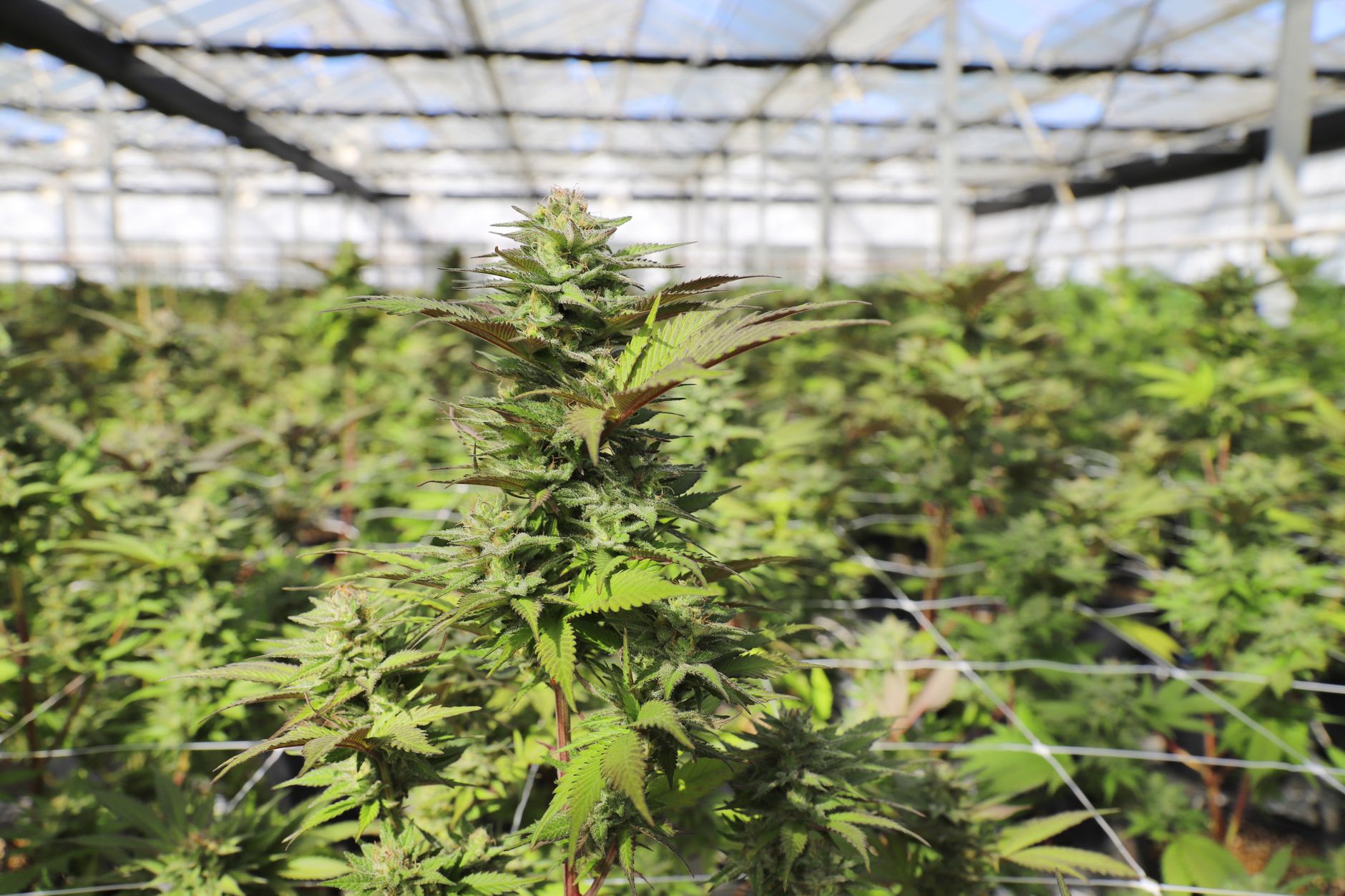
In India, the terms 'hemp' and 'cannabis' can often cause confusion, especially with the growing interest in CBD products and the legal nuances surrounding them. While both come from the same plant species, their legal status, THC content, and uses differ significantly. Let's break down what you need to know about hemp and cannabis, focusing on what matters to you as a consumer in India.
The Plant: A Shared Ancestry
To begin, it's essential to understand that both hemp and what is commonly called 'marijuana' (or cannabis for recreational use) belong to the same plant species: Cannabis sativa L. Think of it like different breeds of dogs – they are all dogs, but they have distinct characteristics and purposes.
For a long time, the scientific community didn't distinguish between hemp and marijuana as separate species. The distinction that matters most, especially legally, is the concentration of certain chemical compounds, known as cannabinoids.
The Crucial Difference: THC Content
The primary factor differentiating hemp from cannabis (marijuana) is the amount of tetrahydrocannabinol (THC) present. THC is the psychoactive compound in cannabis that causes the 'high' or intoxicating effect.
- Hemp: By definition, hemp is cannabis that contains 0.3% or less THC by dry weight. This low THC content means that consuming hemp or products derived from it is highly unlikely to cause intoxication.
- Cannabis (Marijuana): Legally and commonly, cannabis that contains more than 0.3% THC by dry weight is referred to as marijuana. The THC content can vary greatly, with some strains bred specifically for high THC levels to produce stronger psychoactive effects.
This 0.3% THC threshold is not arbitrary; it has become a legal standard in many parts of the world, including the basis for the 2018 Farm Bill in the United States, which legalized hemp cultivation. While India has its own Narcotic Drugs and Psychotropic Substances (NDPS) Act, which governs cannabis, the principle of differentiating based on THC content is globally recognised and influences product development and regulations.
A Brief History of the Terms
The word 'marijuana' itself carries a complex and controversial history, particularly in relation to its origins in the United States. In the early 20th century, as Mexican immigrants moved to the US, the term 'marijuana' became increasingly associated with cannabis use and was used in propaganda campaigns. These campaigns often linked cannabis use to ethnic minorities, perpetuating harmful stereotypes and contributing to its prohibition. Because of these racist roots, many prefer to use the term 'cannabis' to refer to the plant species generally, and then specify whether they mean high-THC cannabis or low-THC hemp.
In India, the NDPS Act, 1985, primarily addresses 'bhang', 'ganja', and 'charas'. 'Ganja' and 'charas' are recognised as cannabis plants and their preparations, while 'bhang' often refers to preparations made from the leaves and seeds of the cannabis plant, which typically have lower THC concentrations. The legal framework in India is distinct and primarily focused on preventing the misuse of intoxicating substances.
What Can Hemp Be Used For?
Because of its low THC content, hemp is cultivated for a variety of industrial and commercial purposes. It's a versatile plant that can be used to create numerous products:
- Hemp Seeds: Rich in protein, healthy fats, and minerals, hemp seeds are a nutritional powerhouse. They can be eaten raw, roasted, or used to produce hemp seed oil.
- Hemp Oil: Extracted from hemp seeds, this oil is often used in cooking and for its nutritional benefits. It contains omega-3 and omega-6 fatty acids.
- Hemp Fibre: This strong, durable fibre can be used to make textiles (clothing, ropes, canvas), paper, building materials, and biodegradable plastics.
- CBD (Cannabidiol): Hemp is a primary source for extracting CBD. CBD is a cannabinoid that does not cause intoxication. It's used in various wellness products, including oils, tinctures, and topicals, believed by many to offer therapeutic benefits.
What About Cannabis (Marijuana)?
Cannabis with high THC content is primarily cultivated for its psychoactive properties. Its use is subject to strict regulations in most countries, including India, where it is generally considered illegal for recreational purposes under the NDPS Act, though certain traditional uses and preparations like bhang may have specific allowances in some states.
The Legal Landscape in India
Understanding the legal status in India is paramount. The Narcotic Drugs and Psychotropic Substances (NDPS) Act, 1985, is the governing law. While the Act prohibits the production, possession, sale, and consumption of 'ganja' and 'charas' (which fall under the high-THC cannabis category), the legal status of hemp cultivation and hemp-derived products is a developing area.
The Indian government has shown some openness to exploring hemp cultivation for industrial purposes, particularly for fibre and seed, provided the THC content remains below the specified legal limits. The focus is on differentiating industrial hemp from intoxicating cannabis. CBD products derived from hemp are also a subject of evolving regulations, with clarity still needed on their legality and accessibility for consumers.
A Real-Life Scenario:
Imagine Mrs. Sharma, a 55-year-old homemaker in Delhi, who hears about the potential benefits of CBD oil for her joint pain. She searches online and finds many products labelled 'hemp oil' or 'CBD oil'. She's concerned about the legality and whether these products will make her feel 'high'. She needs to be sure she is buying a product derived from legal hemp with negligible THC, not from marijuana.
What Should You Do Next?
As a consumer in India, here's how you can navigate this topic:
- Educate Yourself: Understand the difference between hemp and cannabis based on THC content.
- Check Product Labels Carefully: If you are looking at hemp-derived products, ensure they clearly state the THC content (should be 0.3% or less) and ideally, that they are compliant with Indian regulations.
- Consult Experts: If you are considering CBD for health reasons, speak with a qualified healthcare professional who is knowledgeable about these products and their legal status in India.
- Stay Informed: Laws and regulations regarding hemp and CBD are evolving. Keep yourself updated on the latest developments from reliable sources.
CBD vs. THC: A Quick Look
It's worth mentioning the two most well-known cannabinoids:
- CBD (Cannabidiol): Found in both hemp and cannabis, CBD is non-intoxicating. It's the cannabinoid primarily associated with potential therapeutic benefits without the 'high'.
- THC (Tetrahydrocannabinol): This is the psychoactive compound that causes intoxication. Hemp has very low levels, while cannabis (marijuana) has much higher levels.
FAQ Section
1. Is hemp legal in India?
Industrial hemp cultivation for fibre and seed is being explored and may be permitted under specific government guidelines and licenses, provided the THC content is below the legal limit. However, recreational cannabis (marijuana) is illegal under the NDPS Act.
2. Can hemp products make me high?
No, products derived from legally defined hemp (containing 0.3% or less THC) are highly unlikely to cause intoxication.
3. Are CBD products legal in India?
The legal status of CBD products in India is complex and evolving. While CBD derived from hemp might be permissible under certain conditions, regulations are not yet fully clarified for widespread consumer access. It's crucial to verify the source and legality of any CBD product.
4. What is the difference between hemp seed oil and CBD oil?
Hemp seed oil is extracted from the seeds of the hemp plant and is rich in nutrients like fatty acids and protein. CBD oil is extracted from the flowers, leaves, and stalks of the hemp plant and contains CBD. While both come from hemp, they have different primary components and uses.
Understanding these distinctions is key to making informed choices about cannabis-derived products in India. Always prioritise safety, legality, and reliable information.