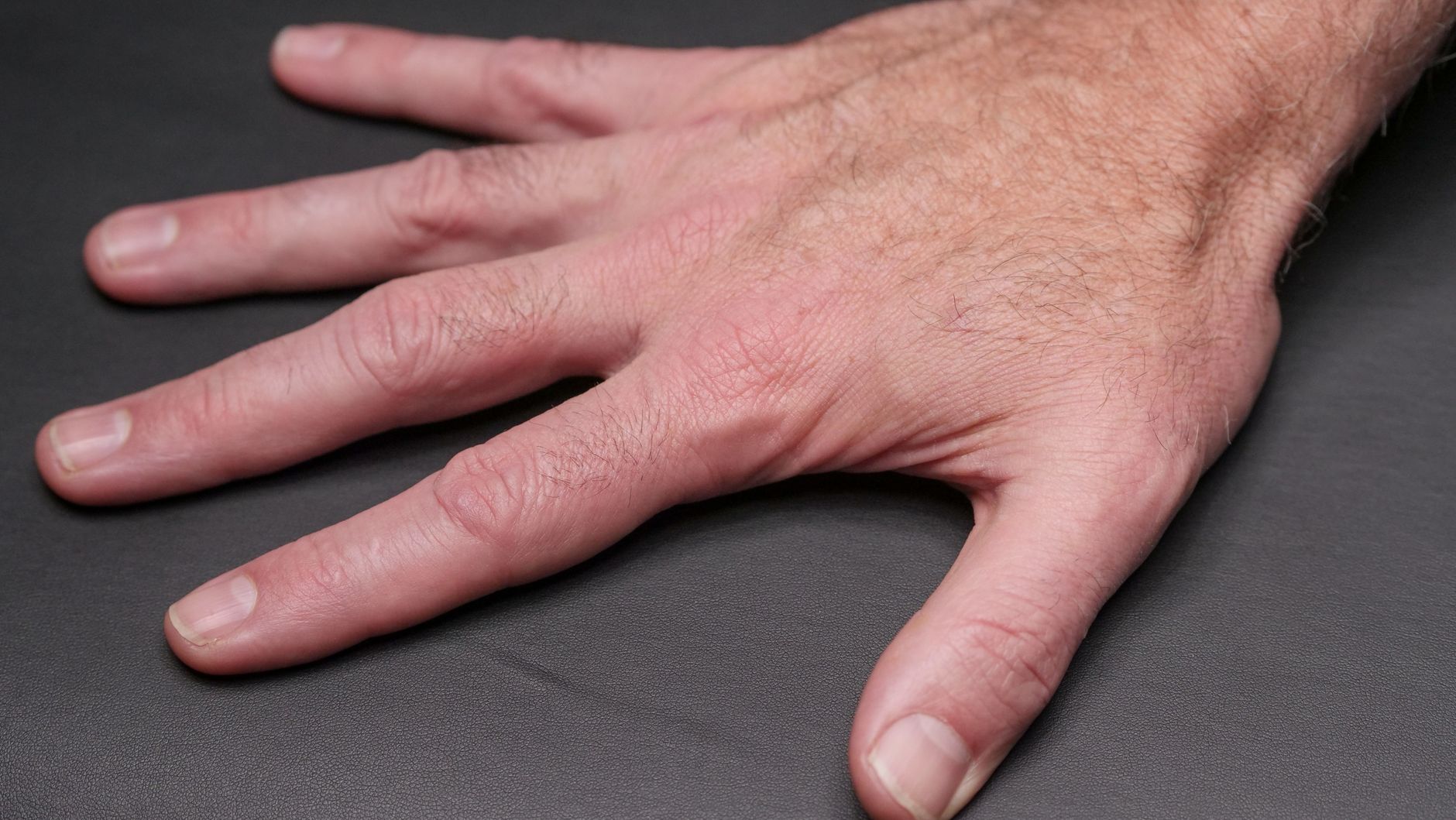
Understanding Hypothyroidism and Its Impact on Your Hands Hypothyroidism, a condition where your thyroid gland doesn't produce enough essential hormones, can manifest in surprising ways, including noticeable changes in your hands and skin. While often associated with fatigue and weight gain, the subtle signs on your extremities might be the first indicators of an underactive thyroid. This blog post delves into how hypothyroidism can affect your hands, the symptoms to watch out for, and what steps you can take for diagnosis and management. What is Hypothyroidism? Hypothyroidism is the medical term for an underactive thyroid gland. The thyroid, a small butterfly-shaped gland located at the base of your neck, plays a crucial role in regulating your body's metabolism by producing hormones, primarily thyroxine (T4) and triiodothyronine (T3). When the thyroid doesn't produce enough of these hormones, your body's functions begin to slow down, leading to a wide range of symptoms. A healthy thyroid ensures your body has sufficient T4 to meet its energy needs. In hypothyroidism, this production is inadequate. Symptoms of Hypothyroidism on Your Hands The effects of hypothyroidism extend beyond general fatigue and can subtly appear on your hands. These symptoms arise due to the slowed metabolism and hormonal imbalances caused by an underactive thyroid. Carpal Tunnel Syndrome (CTS) and Hypothyroidism One of the significant ways hypothyroidism can affect your hands is by increasing the risk of developing Carpal Tunnel Syndrome (CTS). A 2016 study highlighted that individuals with hypothyroidism have a higher likelihood of experiencing CTS. This condition occurs when the median nerve, which runs from your forearm into your hand, becomes compressed as it passes through the carpal tunnel in your wrist. Symptoms of CTS related to hypothyroidism can include: Pain in the hands and fingers Numbness, particularly in the thumb, index, middle, and part of the ring finger Tingling sensations, often described as 'pins and needles' Changes in Skin Color and Texture The skin on your hands can also show visible signs of hypothyroidism: Yellowish-Orange Hue: Your palms might develop a yellowish-orange discoloration. This can be due to the body's reduced ability to convert beta-carotene into vitamin A, a process affected by a slow metabolism. Darker Creases: The skin creases on your palms may appear darker than the surrounding skin. Dry and Coarse Texture: A slowed metabolic rate reduces skin cell turnover. This means dead skin cells linger longer, leading to skin that feels dry, rough, and coarse to the touch. Eczema Craquelé: This specific type of eczema, characterized by inflamed, cracked, and scaly skin, can also be a manifestation of hypothyroidism. Cold and Mottled Skin: Extremities, including hands, might feel cold and exhibit a mottled (blotchy) appearance due to reduced circulation. Nail and Fingertip Changes Your nails and fingertips are not immune to the effects of an underactive thyroid: Thickened Skin Above Nails: The skin above your fingernails might appear thickened. Nail Abnormalities: Nails can become thick, dry, brittle, and develop visible ridges. This is a direct result of slowed growth and reduced nutrient supply to the nail bed. Swollen Fingertips: Hypothyroidism can lead to increased fluid retention throughout the body, which may cause your fingertips to appear swollen. Why Does Hypothyroidism Affect Your Hands? The primary reason hypothyroidism impacts your hands lies in its effect on your body's metabolic rate . Metabolism encompasses all the chemical processes that convert food into energy. When this rate slows down: Skin Cell Turnover Decreases: Old, dead skin cells accumulate, leading to dryness, scaling, and flaking. Nail Growth Slows: This results in nails becoming dry, brittle, and prone to breakage. Fluid Retention Increases: This can cause swelling, particularly noticeable in the extremities like fingertips. Nerve Compression: The hormonal changes and fluid retention can contribute to conditions like Carpal Tunnel Syndrome by increasing pressure on nerves in the wrist. Diagnosis of Hypothyroidism If you suspect you have hypothyroidism based on symptoms affecting your hands or other parts of your body, it's crucial to consult a doctor. The diagnostic process typically involves: Physical Examination A healthcare professional will perform a physical exam, which may include: Checking your neck for thyroid enlargement (goiter) or nodules. Observing the thyroid's movement when you swallow. Assessing for other physical signs associated with hypothyroidism, such as skin texture, reflexes, and heart rate. Blood Tests The most definitive way to diagnose hypothyroidism is through blood tests that measure: Thyroid-Stimulating Hormone (TSH): This is usually the first test ordered. High TSH levels indicate that your pituitary gland is trying to stimulate an underactive thyroid. Thyroxine (T4): Measuring the level of T4 hormone in your blood helps confirm the diagnosis. Low T4 levels are typical in hypothyroidism. Thyroid Antibodies: These tests can help identify autoimmune conditions like Hashimoto's thyroiditis, a common cause of hypothyroidism. Treatment Options for Hypothyroidism The cornerstone of hypothyroidism treatment is thyroxine replacement therapy . This involves taking a synthetic form of the thyroid hormone T4, known as levothyroxine. Levothyroxine Therapy Levothyroxine is a medication that mimics the T4 hormone your thyroid gland naturally produces. By restoring T4 levels to normal, it effectively alleviates the symptoms of hypothyroidism, including those affecting your hands. It is typically taken orally once a day, usually in the morning on an empty stomach for optimal absorption. Combination Therapy In some cases, individuals may benefit from taking levothyroxine in combination with another synthetic thyroid hormone, T3 (liothyronine). This approach is less common and is usually considered for patients who
In summary, timely diagnosis, evidence-based treatment, and prevention-focused care improve long-term health outcomes.