What is Ichthyosis Vulgaris?
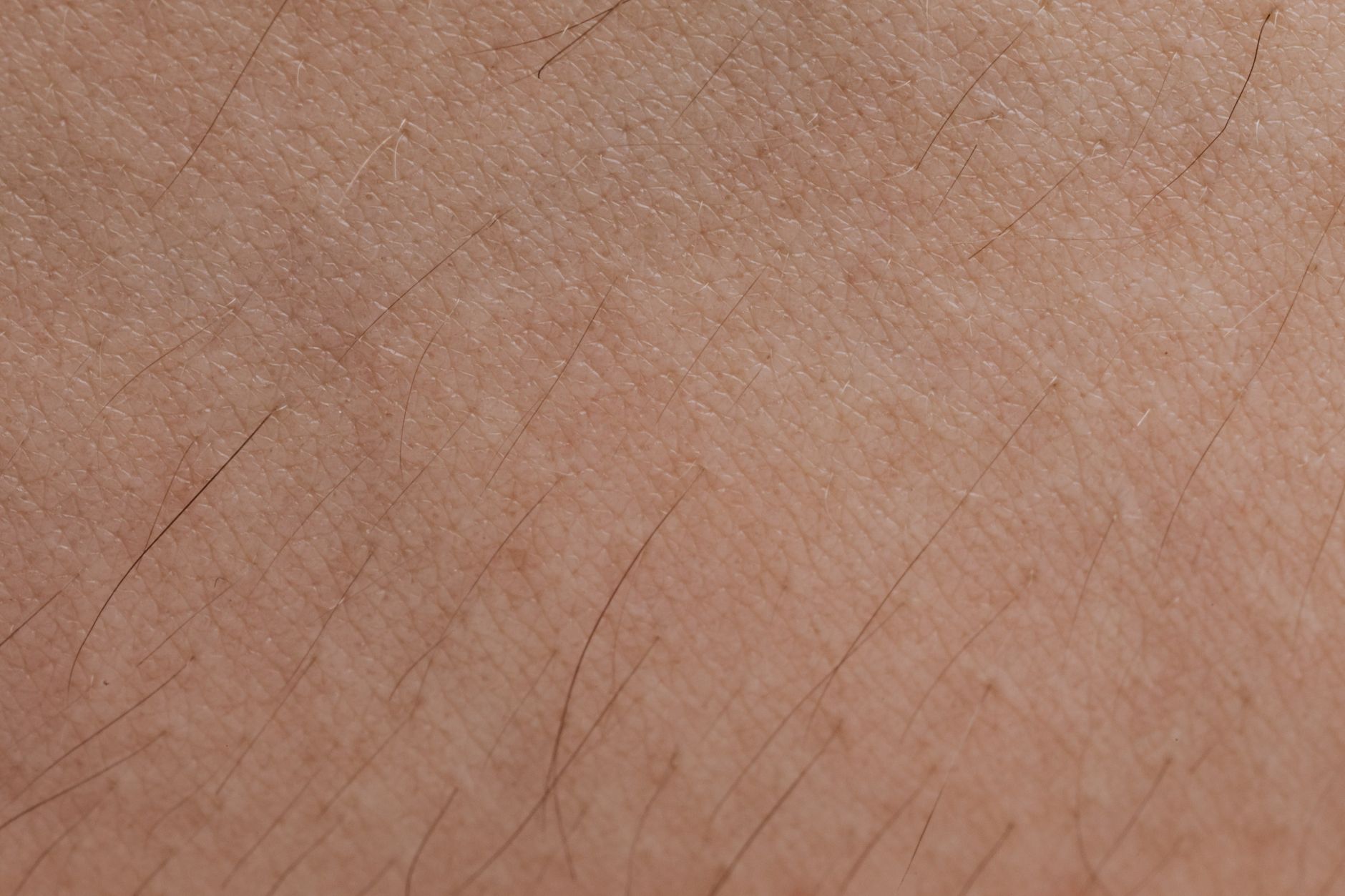
Ichthyosis vulgaris, often referred to as 'fish scale disease,' is a common inherited skin condition. It arises when your skin fails to shed its dead cells properly. This leads to a buildup of dry, dead skin cells that form patches on the skin's surface, resembling the scales of a fish. While the majority of cases are mild and affect only specific areas, some can be more severe, covering larger parts of the body like the abdomen, back, arms, and legs.
Symptoms of Ichthyosis Vulgaris
The primary symptom of ichthyosis vulgaris is the presence of dry, thickened, and scaly skin. These scales can vary in color, appearing brown, gray, or white. The affected areas are typically itchy and may feel rough to the touch. In some individuals, the condition can also be accompanied by other skin issues such as atopic dermatitis (eczema) or keratosis pilaris, which can cause red, itchy rashes or small, rough bumps, respectively.
Causes of Ichthyosis Vulgaris
Ichthyosis vulgaris is primarily a genetic condition, meaning it's inherited from parents. It's caused by mutations in specific genes responsible for skin cell turnover. In most cases, symptoms appear in early childhood and may disappear as the individual grows older, though they can sometimes return in adulthood. In rare instances, ichthyosis vulgaris can be acquired later in life, not due to genetics but as a symptom of other underlying health issues. These can include certain types of cancer, kidney failure, or thyroid disease. Certain medications can also trigger acquired ichthyosis vulgaris.
Diagnosis of Ichthyosis Vulgaris
Diagnosing ichthyosis vulgaris is usually straightforward and can often be done by a dermatologist (a skin specialist) through visual examination. The doctor will assess the appearance and location of the dry, scaly patches. They will also inquire about your family history of skin conditions and when your symptoms first appeared. To rule out other skin disorders with similar symptoms, such as psoriasis, your doctor might recommend further tests. These could include a blood test or a skin biopsy, where a small sample of affected skin is examined under a microscope.
Treatment and Management
Currently, there is no cure for ichthyosis vulgaris. However, effective management strategies can significantly alleviate symptoms and improve the skin's condition. The cornerstone of treatment involves consistent skincare routines:
Moisturization is Key
- Regular Moisturizing: Apply moisturizers liberally and frequently, especially after bathing. Look for products containing ingredients like urea, lactic acid, or salicylic acid, which help to hydrate the skin and promote the shedding of dead skin cells. Lotions with urea or propylene glycol are particularly effective in retaining moisture.
- Humidifiers: Using a humidifier in your home, especially during dry seasons or in air-conditioned environments, can add moisture to the air and prevent your skin from drying out further.
Exfoliation
Gently exfoliating the skin after bathing can help remove excess dead skin cells. Using a loofah or a pumice stone can be beneficial. However, it's important to be gentle to avoid irritating the skin.
Prescription Treatments
In more severe or persistent cases, a dermatologist may prescribe specialized creams or ointments. These can include:
- Alpha Hydroxy Acids (AHAs): Such as lactic acid, these help the skin retain moisture and reduce scaling.
- Topical Retinoids: Derived from vitamin A, these can be used in difficult cases to slow down skin cell production. However, they may have side effects like lip swelling or hair loss and should not be used during pregnancy due to the risk of birth defects.
Living with Ichthyosis Vulgaris
The key to successfully managing ichthyosis vulgaris is to integrate a consistent skincare routine into your daily life. By understanding your condition and diligently following treatment recommendations, you can significantly improve your skin's health and quality of life. While it's a chronic condition, it doesn't have to define your daily experience.
When to Consult a Doctor
It is advisable to consult a doctor or dermatologist if you notice persistent dry, scaly patches on your skin, especially if they are itchy or causing discomfort. If you have a family history of skin conditions or if your symptoms are severe or rapidly worsening, seeking medical advice is crucial. Early diagnosis and a tailored management plan can prevent complications and improve outcomes.
Additional Medical Guidance
This section adds practical context and preventive advice to help readers make informed healthcare decisions. It is important to verify symptoms early, consult qualified doctors, and avoid self-medication for persistent health issues.
Maintaining healthy routines, following prescribed treatment plans, and attending regular checkups can improve outcomes. If symptoms worsen or red-flag signs appear, immediate medical evaluation is recommended.
Quick Checklist
Track symptoms and duration.
Follow diagnosis and treatment from a licensed practitioner.
Review medication side effects with your doctor.
Seek urgent care for severe warning signs.