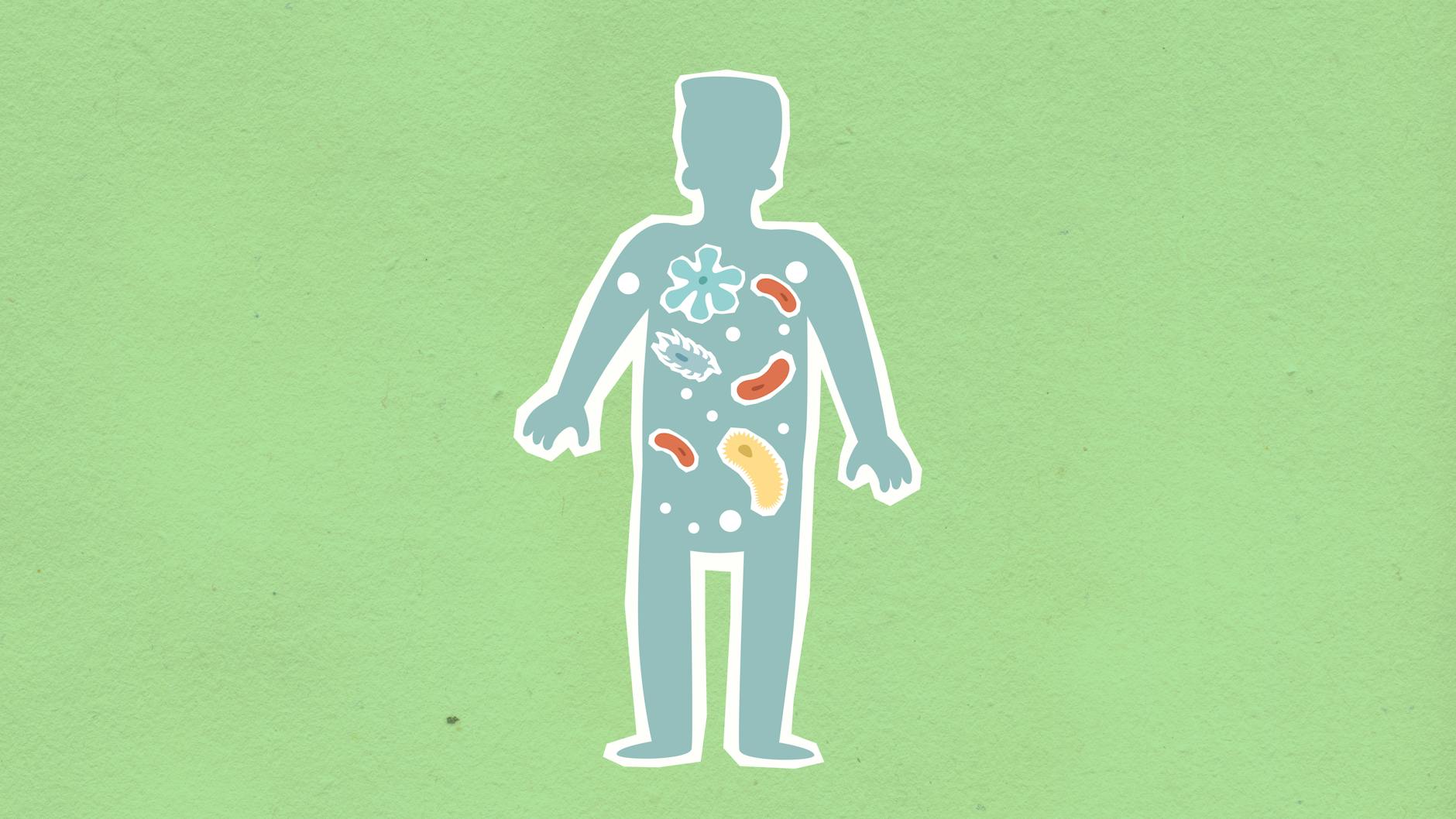
Understanding the Link: IBS and Thyroid Health Irritable Bowel Syndrome (IBS) and thyroid disorders are two common conditions that can significantly impact an individual's quality of life. While they affect different systems in the body – IBS primarily impacting the gastrointestinal (GI) tract and thyroid disorders affecting the endocrine system – there's a growing interest in understanding any potential connections between them. This article delves into the current research, exploring whether there's a direct link, how gut health might influence thyroid function, and what symptoms to watch out for. What is Irritable Bowel Syndrome (IBS)? IBS is a prevalent functional gastrointestinal disorder characterized by a group of symptoms that affect the large intestine. Common symptoms include abdominal pain, cramping, bloating, gas, diarrhea, and constipation, or a combination of both. The exact cause of IBS is not fully understood, but it's believed to be related to issues with how the brain and gut communicate, increased sensitivity in the gut, or changes in gut bacteria. Researchers estimate that IBS affects between 10% to 15% of people worldwide. What is Thyroid Disease? The thyroid is a small, butterfly-shaped gland located at the base of your neck. Its primary function is to produce hormones – thyroxine (T4) and triiodothyronine (T3) – which regulate metabolism, influencing how your body uses energy. Thyroid disease encompasses a range of conditions where the thyroid gland doesn't produce the right amount of hormones. Hyperthyroidism: Occurs when the thyroid gland produces too much thyroid hormone. This can speed up the body's metabolism, leading to symptoms like unintended weight loss, rapid or irregular heartbeat, nervousness, anxiety, tremors, and increased sensitivity to heat. Hypothyroidism: Occurs when the thyroid gland doesn't produce enough thyroid hormone. This slows down the body's metabolism, causing symptoms such as fatigue, weight gain, cold intolerance, constipation, dry skin, and depression. Thyroid disease is also very common. It's estimated that over 4.6% of people have hypothyroidism, and 1.2% have hyperthyroidism. Is There a Direct Connection Between IBS and Thyroid Disease? Currently, there is no definitive scientific evidence to suggest a direct causal link between IBS and thyroid disease. This means that having IBS does not necessarily mean you will develop a thyroid disorder, and vice versa. Studies have shown that the prevalence of thyroid disorders in individuals with IBS is similar to that in the general population. For instance, a small study in Nepal found that the rates of hyperthyroidism and hypothyroidism in people with IBS were comparable to expected rates. However, some research has indicated that a small percentage of individuals with IBS may have low levels of thyroid hormone that don't meet the full criteria for hypothyroidism. This has led some researchers to suggest that routine thyroid hormone testing might be reasonable for people diagnosed with IBS. The Role of Gut Health and Small Intestine Bacterial Overgrowth (SIBO) While a direct link is not established, the connection between gut health and thyroid function is an area of active research. Both IBS and certain thyroid conditions have been linked to Small Intestine Bacterial Overgrowth (SIBO). What is SIBO? SIBO is a condition where there is an excessive amount of bacteria in the small intestine. These bacteria can ferment food, leading to symptoms like bloating, gas, abdominal pain, and changes in bowel habits, which overlap significantly with IBS symptoms. SIBO can also interfere with nutrient absorption. Research has shown a higher likelihood of developing SIBO in individuals with thyroid disorders. Conversely, studies have also found high rates of SIBO in people with hypothyroidism. This suggests a potential indirect relationship where gut dysbiosis, such as SIBO, might play a role in the development or exacerbation of both IBS and thyroid issues. How Gut Health Can Influence Thyroid Function The gut microbiome – the complex community of microorganisms living in your digestive tract – plays a crucial role in overall health, including thyroid function. Here's how gut health can impact the thyroid: Nutrient Absorption: The thyroid gland requires specific nutrients to function optimally, such as selenium, zinc, iodine, and iron. A compromised gut can lead to malabsorption of these essential nutrients, potentially impairing thyroid hormone production and function. Inflammation: Chronic inflammation in the gut, often associated with conditions like IBS and SIBO, can influence the immune system and potentially contribute to autoimmune thyroid diseases, such as Hashimoto's thyroiditis (a common cause of hypothyroidism) and Graves' disease (a common cause of hyperthyroidism). Gut Microbiome Balance: An imbalance in gut bacteria (dysbiosis) has been linked to autoimmune conditions, including autoimmune thyroid disease. The gut microbiome can influence the immune system's response and the body's inflammatory state, which can affect thyroid health. Hormone Metabolism: Gut bacteria can also play a role in the metabolism of thyroid hormones. Certain bacteria can convert inactive thyroid hormone (T4) into its active form (T3), and disruptions in the gut microbiome might affect this conversion process. Overlapping Symptoms It's important to note that IBS and thyroid disorders can present with overlapping symptoms, making diagnosis challenging at times. Both conditions can cause: Digestive issues (bloating, constipation, diarrhea) Fatigue Changes in appetite Mood changes (anxiety, depression) Unexplained weight changes This overlap underscores the importance of a thorough medical evaluation to determine the underlying cause of symptoms. Diagnosis Diagnosing IBS typically involves a review of symptoms and medical history. Doctors may perform tests to rule out other conditions. Diagnosing thyroid disorders usually involves blood tests to measure thyroid hormone levels (TSH, T3,
In summary, timely diagnosis, evidence-based treatment, and prevention-focused care improve long-term health outcomes.