Understanding the Two Main Types of Stroke: Ischemic and Hemorrhagic
A stroke is a medical emergency that occurs when the blood supply to part of the brain is interrupted or reduced, preventing brain tissue from getting oxygen and nutrients. Brain cells begin to die in minutes. Strokes are a leading cause of death and disability worldwide. In India, like many other countries, understanding the different types of strokes is crucial for prompt recognition and effective treatment.
There are two primary types of strokes: ischemic and hemorrhagic. While both are serious and require immediate medical attention, they have different causes and require different treatment approaches. Recognizing the signs and symptoms can make a critical difference in the outcome.
What is an Ischemic Stroke?
Ischemic strokes are the most common type, accounting for about 87% of all strokes. They occur when a blood vessel supplying the brain becomes blocked, usually by a blood clot. This blockage prevents blood from flowing to a part of the brain, leading to cell damage or death.
Causes of Ischemic Stroke:
- Blood Clots: The most frequent cause is a blood clot that forms in an artery supplying blood to the brain. This can happen due to atherosclerosis, a condition where fatty plaque builds up inside the arteries, narrowing them and making them prone to clot formation.
- Atrial Fibrillation (AFib): This is a type of irregular heartbeat where the upper chambers of the heart (atria) don't beat in a coordinated way. This can cause blood to pool in the heart, leading to clot formation. These clots can then travel to the brain and cause a stroke.
- Other Causes: Less common causes include clots that form in other parts of the body and travel to the brain, or a narrowing of the arteries outside the brain that affects blood flow.
Symptoms of Ischemic Stroke:
Symptoms can vary depending on the location and severity of the blockage. Common signs include:
- Sudden numbness or weakness in the face, arm, or leg, especially on one side of the body.
- Sudden confusion, trouble speaking, or difficulty understanding speech.
- Sudden trouble seeing in one or both eyes.
- Sudden trouble walking, dizziness, loss of balance, or coordination.
- Sudden severe headache with no known cause.
Diagnosis and Treatment of Ischemic Stroke:
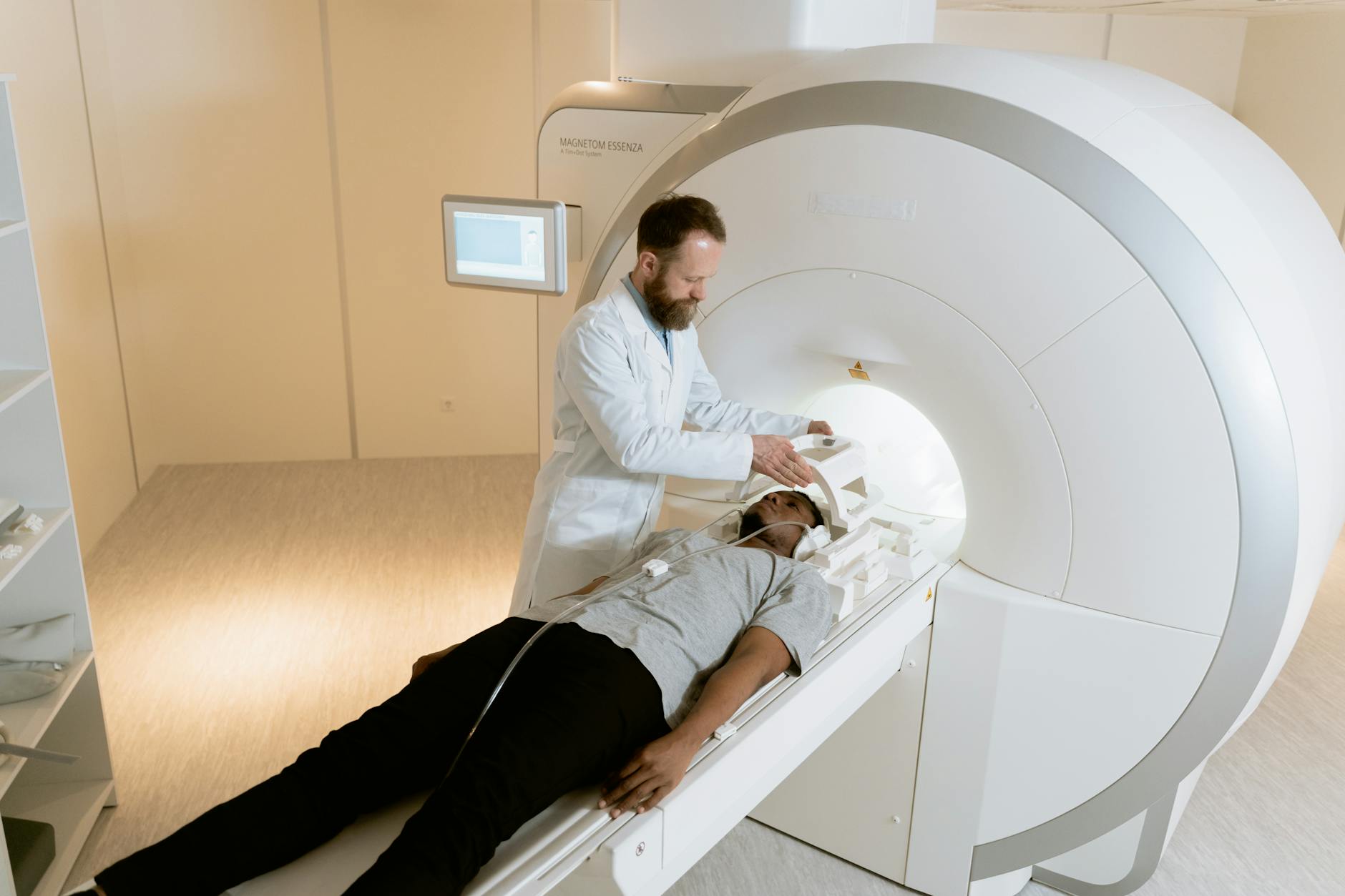
Diagnosis typically involves a physical examination, medical history, and imaging tests like CT scans or MRIs to identify the location and type of stroke. Treatment focuses on restoring blood flow to the brain as quickly as possible.
- Medications: The primary treatment is often a medication called tissue plasminogen activator (tPA), a clot-busting drug that is ideally administered within 3 to 4.5 hours of symptom onset.
- Procedures: In some cases, a mechanical thrombectomy may be performed to physically remove the blood clot using a catheter. Carotid endarterectomy, a surgical procedure to remove plaque from the carotid arteries in the neck, may also be recommended if carotid artery disease is a contributing factor.
What is a Hemorrhagic Stroke?
Hemorrhagic strokes occur when a blood vessel in the brain ruptures and bleeds into the surrounding brain tissue. This bleeding increases pressure within the skull, damaging brain cells. Hemorrhagic strokes account for about 10% of all strokes.
Causes of Hemorrhagic Stroke:
- High Blood Pressure (Hypertension): This is the most common underlying cause. Weakened blood vessels due to chronic high blood pressure are more likely to rupture.
- Aneurysm: A bulge in a blood vessel wall that can rupture and cause bleeding.
- Arteriovenous Malformation (AVM): An abnormal tangle of blood vessels that can rupture.
- Head Injury: Trauma to the head can cause bleeding in the brain.
- Blood Thinning Medications: While necessary for some conditions, these can increase the risk of bleeding if not managed carefully.
Symptoms of Hemorrhagic Stroke:
Symptoms are often similar to ischemic strokes but can also include:
- Sudden, severe headache, often described as the
Additional Medical Guidance
This section adds practical context and preventive advice to help readers make informed healthcare decisions. It is important to verify symptoms early, consult qualified doctors, and avoid self-medication for persistent health issues.
Maintaining healthy routines, following prescribed treatment plans, and attending regular checkups can improve outcomes. If symptoms worsen or red-flag signs appear, immediate medical evaluation is recommended.
Quick Checklist
Track symptoms and duration.
Follow diagnosis and treatment from a licensed practitioner.
Review medication side effects with your doctor.
Seek urgent care for severe warning signs.