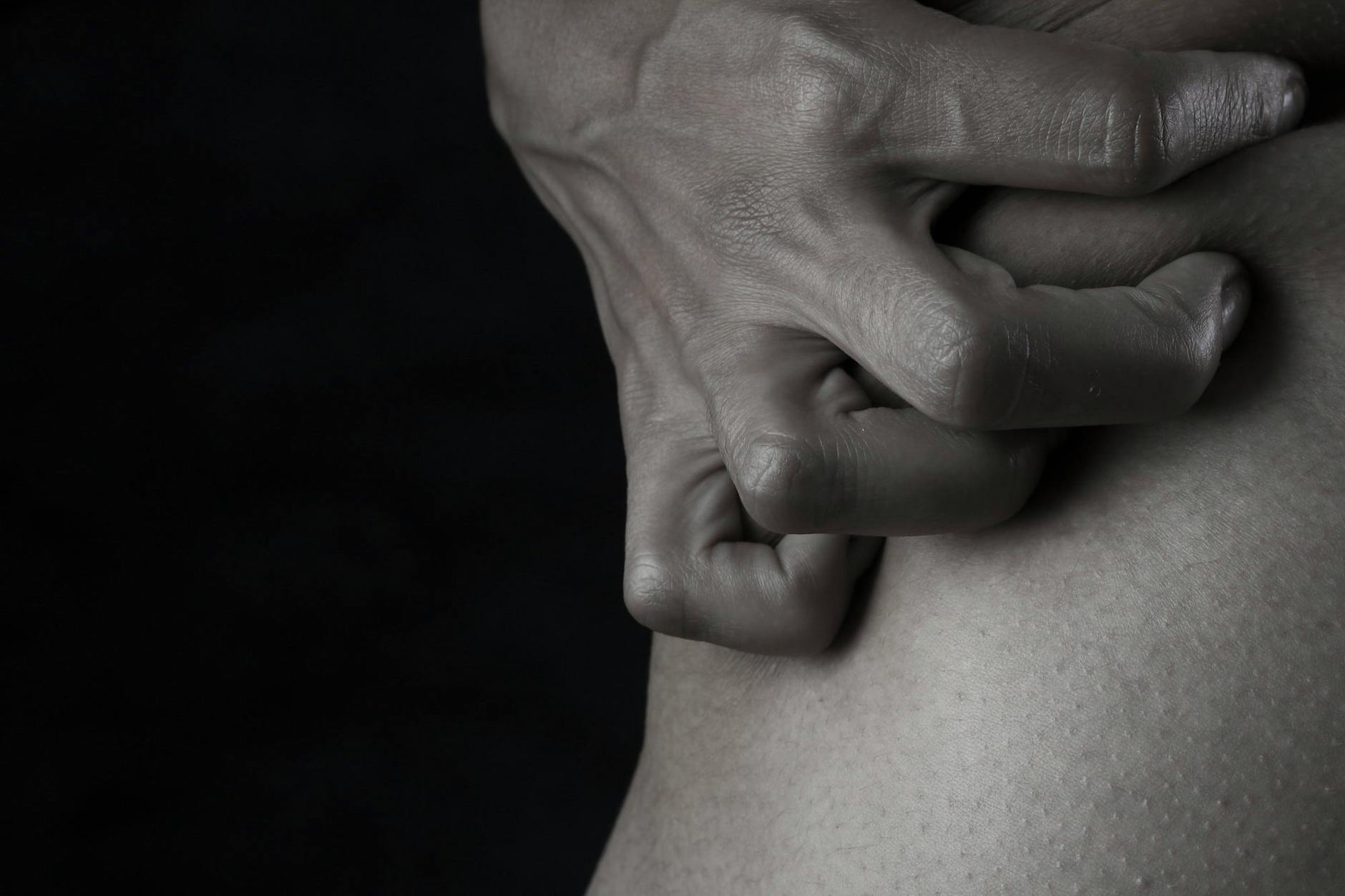
Understanding Keratosis Pilaris on Dark Skin
Keratosis Pilaris (KP), often referred to as "chicken skin," is a common, harmless skin condition characterized by the appearance of small, rough bumps. These bumps occur when dead skin cells accumulate and clog hair follicles. While KP is prevalent across all skin tones, its presentation and visibility can differ significantly on darker skin. This guide aims to provide comprehensive information for individuals with darker skin tones, addressing how KP may look, its causes, and effective management strategies.
What is Keratosis Pilaris?
Keratosis Pilaris is a genetic condition that affects the skin's keratin, a protein that protects epithelial cells from damage or stress. In individuals with KP, keratin builds up and forms a soft, plug in the hair follicle. This plug prevents hair from growing out of the follicle, leading to the characteristic small bumps.
How Keratosis Pilaris Appears on Dark Skin
One of the primary challenges for individuals with darker skin tones is the scarcity of visual resources depicting skin conditions on their complexion. A 2021 study highlighted that images of KP on light skin were three times more common than those on dark skin. This disparity extends to medical training, where images of darker skin are less frequently used, even for conditions more prevalent in people of color. Research from 2022 further indicates that clinicians receive minimal education on skin conditions affecting people of color.
On darker skin, KP bumps may appear as:
- Small pimples or goosebumps.
- These bumps might be accompanied by discoloration, appearing brown or black, or they may blend with your natural skin tone.
- The discoloration can be one to several shades darker than your surrounding skin, potentially leading to permanent hyperpigmentation.
- The skin might appear dull.
- The bumps can feel rough and dry, similar to sandpaper, and may cause itching.
It's important to note that the appearance of KP can vary. While on lighter skin, the bumps are often white, pink, or red, the darker hues on darker skin can make it harder for individuals to recognize it as KP, leading to delayed or missed diagnoses.
Body Parts Affected by Keratosis Pilaris
In adults, KP most commonly affects the:
- Upper arms
- Buttocks
- Front of the thighs
In children, it frequently appears on the cheeks. However, KP can manifest anywhere on the body and, in some individuals, may cover extensive areas.
Causes of Keratosis Pilaris
The exact cause of KP is not fully understood, but it is believed to be genetic. It often co-occurs with other skin conditions such as:
- Atopic dermatitis (eczema): 1.7 times more common in Black children than white children.
- Diabetes mellitus: 60% more common in non-Hispanic Black adults than non-Hispanic white adults.
- Obesity: 30% more common in non-Hispanic Black adults than non-Hispanic white adults.
Hormonal changes, such as those during pregnancy, can also influence the number and size of KP bumps. Seasonal changes can also play a role, with symptoms often worsening during colder, drier months.
Diagnosis of Keratosis Pilaris
A diagnosis of KP is typically made through a visual examination by a healthcare professional. Given the challenges in visualizing KP on darker skin tones, it is crucial to seek a doctor who is experienced in diagnosing and treating skin conditions across diverse complexions. If you have concerns about the appearance of your skin, consulting a dermatologist is recommended.
Treatment and Management of Keratosis Pilaris
While KP does not require medical treatment as it is a harmless condition, several approaches can help improve skin texture and reduce the visibility of the bumps. The goal of treatment is to rehydrate and exfoliate the skin.
Moisturizing
Regular and consistent moisturizing is key. Look for creams containing ingredients that help trap moisture and soothe the skin. Urea 20% cream is particularly effective for this purpose.
Exfoliation
Gentle exfoliation helps remove dead skin cells that clog hair follicles. Options include:
- Keratolytics: Lotions containing lactic acid or salicylic acid (around 6%) can help exfoliate the skin.
- Chemical Peels: In-office treatments like a 70% glycolic acid peel, applied for 5 to 7 minutes, can significantly smooth the skin.
Topical Treatments
Other topical treatments that can be beneficial include:
- Retinoids: Prescription retinoids like tazarotene can help promote skin cell turnover.
It is important to use these treatments consistently for best results. Always follow the advice of your dermatologist regarding the appropriate products and frequency of use.
Preventing Keratosis Pilaris
Since KP is largely genetic, it cannot be entirely prevented. However, managing the condition and preventing the bumps from becoming more prominent or uncomfortable involves:
- Consistent Moisturization: Keeping the skin well-hydrated can help minimize dryness and roughness.
- Gentle Exfoliation: Regular, gentle exfoliation can prevent the buildup of dead skin cells. Avoid harsh scrubbing, which can irritate the skin.
- Avoiding Tight Clothing: Tight clothing can cause friction and irritation, potentially worsening KP. Opt for loose-fitting, breathable fabrics.
- Humidifiers: Using a humidifier in dry environments, especially during winter, can help keep the skin moist.
When to Consult a Doctor
While KP is harmless, you should consult a doctor or dermatologist if:
- The bumps are causing you significant distress or affecting your self-esteem.
- The bumps are itchy or inflamed.
- You are unsure if the bumps are indeed KP and not another skin condition.
- You are seeking treatment options to improve the appearance of the skin.
Frequently Asked Questions (FAQ)
Q1: Can keratosis pilaris be cured?
A1: Keratosis Pilaris is a chronic condition and cannot be cured. However, its appearance can be significantly improved with consistent management and treatment.
Q2: Does keratosis pilaris spread?
A2: Keratosis Pilaris itself is not contagious and does not spread from person to person. However, the bumps can appear on different parts of the body over time.
Q3: Is it normal for keratosis pilaris to be itchy on dark skin?
A3: Yes, the bumps associated with KP can sometimes be itchy, regardless of skin tone. Dryness can exacerbate itching.
Q4: Can I use harsh scrubs for keratosis pilaris?
A4: It is strongly advised against using harsh scrubs. These can cause micro-tears in the skin, leading to inflammation, hyperpigmentation, and potentially worsening the condition. Opt for gentle chemical exfoliants or soft washcloths.
Q5: Will keratosis pilaris leave scars on dark skin?
A5: Keratosis Pilaris itself does not typically cause scarring. However, picking at the bumps or improper treatment can lead to post-inflammatory hyperpigmentation, which may appear as darker spots on the skin. These usually fade over time but can be persistent.