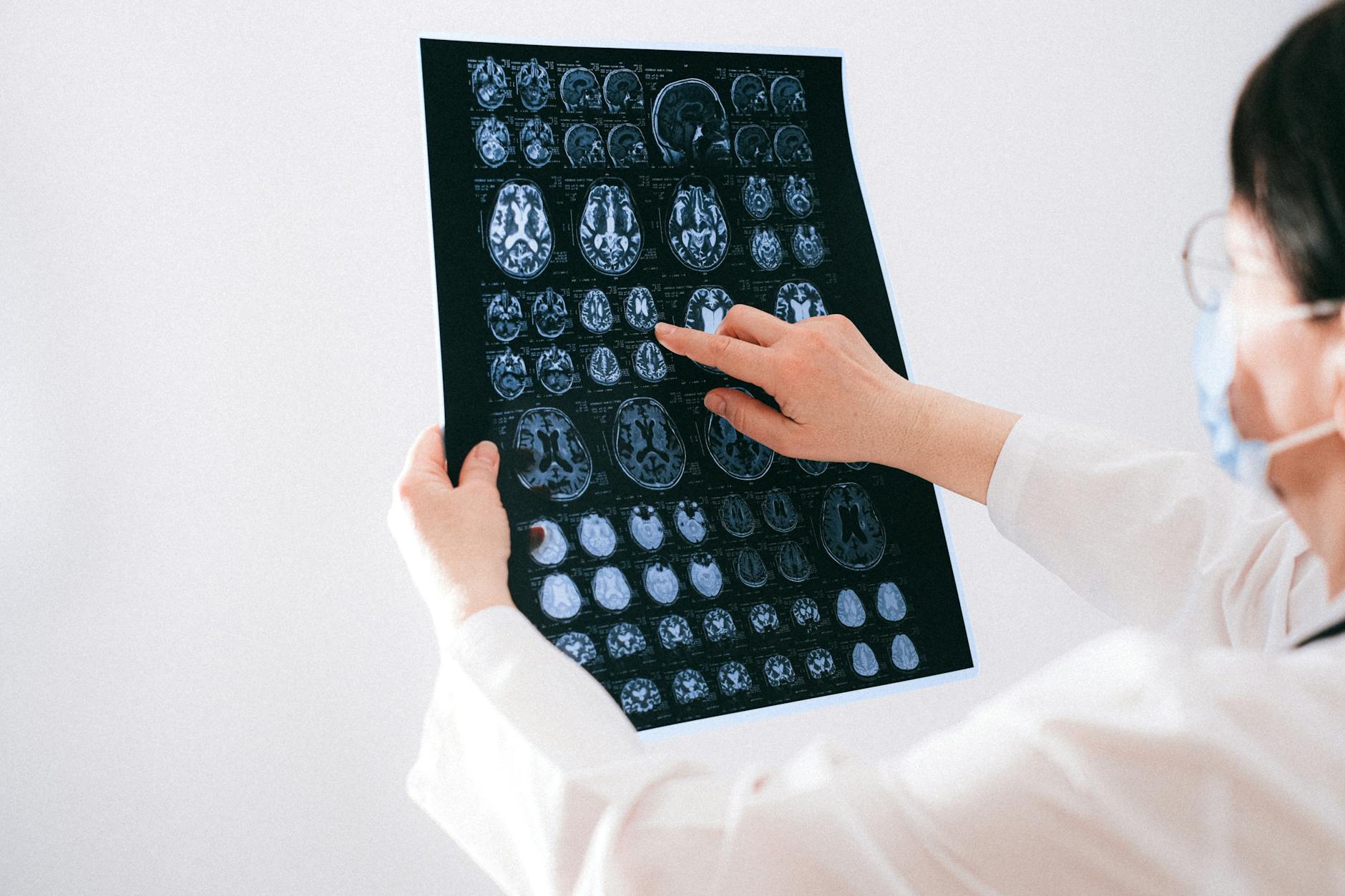
Understanding Benign Meningioma Surgery and Recovery A benign meningioma is a type of tumor that grows from the meninges, the protective layers that cover your brain and spinal cord. While these tumors are not cancerous, they can still cause significant health issues if they grow large enough to press on surrounding brain tissue or nerves. Surgery is often the primary treatment to remove these tumors, especially when they lead to symptoms or pose a risk to your neurological function. This blog post will guide you through what to expect after benign meningioma surgery, focusing on the recovery process, potential complications, and how to achieve a better quality of life post-operation, with a specific focus on insights relevant to readers in India. The Recovery Journey: What to Anticipate The recovery period following benign meningioma surgery can vary greatly from person to person. Factors such as the size and location of the tumor, the extent of the surgery, and your overall health play a crucial role in determining your recovery timeline. While many individuals experience a significant improvement in their symptoms and an enhanced quality of life after surgery, it's essential to be prepared for potential challenges and to understand the recovery process. Common Post-Surgery Discomforts It's normal to experience some discomfort after any major surgery, and meningioma surgery is no exception. These common symptoms are usually temporary and manageable: Fatigue: You might feel unusually tired or weak for a period after the surgery. This is your body's natural response to the stress of the operation. Rest is crucial, and this fatigue typically improves gradually as you heal. Nausea and Vomiting: Some patients experience nausea or vomiting in the initial days after surgery. This can be due to anaesthesia, pain medications, or the surgery itself. Your medical team can provide anti-nausea medications to help manage these symptoms. Incision Pain: Pain at the surgical site is expected. It is usually managed with prescribed pain relievers. As your incision heals, the pain should progressively decrease. Potential Serious Complications While the goal of surgery is to remove the tumor and improve your health, there are potential risks and complications that, although less common, require awareness and prompt medical attention: Infection: Like any surgical procedure, there's a risk of infection at the incision site or deeper within the brain. Symptoms might include increased pain, redness, swelling, fever, or discharge from the wound. Prompt treatment with antibiotics is crucial. Vision Changes: If the meningioma was located near the optic nerves or visual pathways, surgery might lead to persistent vision problems. This could include blurred vision, double vision, or changes in your field of vision. Neurological Deficits: Depending on the tumor's location and the extent of surgery, some individuals may experience lasting neurological issues. These can manifest as weakness in limbs, numbness, difficulty with coordination, or balance problems. Early rehabilitation can be very beneficial in managing these deficits. Cognitive Changes: In some cases, surgery might affect cognitive functions. This could include difficulties with memory, concentration, or multitasking, particularly if the tumor was in areas of the brain responsible for these functions. Brain Swelling (Edema): Swelling around the brain can occur after surgery. This can put pressure on brain tissue and lead to various neurological symptoms. Medications like steroids are often used to manage brain swelling. Pneumonia: Prolonged bed rest after surgery can increase the risk of developing pneumonia, an infection of the lungs. Deep breathing exercises and early mobilization, as advised by your doctor, can help prevent this. Venous Thromboembolism (Blood Clots): A significant concern after surgery is the formation of blood clots, particularly in the legs (deep vein thrombosis or DVT). These clots can potentially travel to the lungs (pulmonary embolism), which is a serious medical emergency. Studies indicate that a small percentage of patients may develop VTE. Blood-thinning medications may be prescribed to reduce this risk, especially for individuals with higher risk factors. Factors Influencing Complication Rates Research has identified certain factors that may increase the risk of complications after meningioma surgery. Being aware of these can help your medical team take extra precautions: Age: Individuals over 65 years of age may have a higher risk of complications. Pre-existing Health Conditions: Conditions like hypertension (high blood pressure) and the use of multiple cardiac medications have been associated with increased complication rates. Neurological Deficits: Experiencing new or worsening neurological symptoms after surgery is a significant risk factor for overall complications. Understanding Meningioma Recurrence While surgery aims for complete removal, there's a possibility of meningioma recurrence. The rate of recurrence depends heavily on the tumor's grade: Grade 1 (Atypical): These have the lowest recurrence rates, with progression-free survival rates of approximately 95.7% at 5 years and 90.4% at 10 years. Grade 2 (Atypical): Recurrence rates are higher, ranging from 29% to 52%. Grade 3 (Anaplastic): These are the most aggressive and have the highest recurrence rates, ranging from 50% to 94%. Regular follow-up appointments and imaging scans are vital to monitor for any signs of recurrence. Complete surgical resection and, in some cases, radiation therapy after surgery can significantly improve survival rates, particularly for grades 1 and 2 meningiomas. Improving Quality of Life Post-Surgery The primary goal after meningioma surgery is to restore and enhance your quality of life. While recovery takes time, several strategies can aid in this process: Follow Medical Advice Strictly: Adhere to all post-operative instructions from your neurosurgeon and medical team. This includes medication
In summary, timely diagnosis, evidence-based treatment, and prevention-focused care improve long-term health outcomes.