Carpal tunnel syndrome (CTS) can be a real challenge, bringing discomfort, tingling, and numbness to your hands and wrists. While medical treatments are often necessary, did you know that your diet can play a significant role in managing your symptoms? For us in India, where traditional wisdom often meets modern science, understanding how food impacts our health is key. Let's explore how making conscious food choices can help alleviate the discomfort of CTS.
Understanding Carpal Tunnel Syndrome
Before we dive into what to eat, let's quickly recap what CTS is. It happens when the median nerve, which runs from your forearm into your hand, gets squeezed or compressed at the wrist. This compression is often due to swelling and inflammation of the tendons that run through the carpal tunnel, a narrow passageway in your wrist. When these tendons swell, they press on the median nerve, leading to those tell-tale symptoms: pain, tingling, and numbness, especially in your thumb, index finger, middle finger, and part of your ring finger. Sometimes, it can feel like pins and needles, or even a burning sensation.
Several factors can contribute to CTS. Repetitive wrist movements, common in jobs involving typing, assembly line work, or even certain hobbies, are major culprits. Other causes include medical conditions like diabetes, rheumatoid arthritis, thyroid problems, and obesity. Even pregnancy can sometimes lead to temporary CTS due to fluid retention. It's a condition that affects many, and finding ways to manage it is important for daily life.
The Role of Diet in Managing Inflammation
Inflammation is a central player in carpal tunnel syndrome. Your body's natural response to injury or infection is inflammation, but when it becomes chronic, it can cause problems. In CTS, inflamed tendons contribute to the nerve compression. This is where your diet comes in. Certain foods can either help calm inflammation in your body or, unfortunately, make it worse. Think of your diet as a tool in your management toolkit.
A diet rich in processed foods, refined sugars, and unhealthy fats can increase the levels of inflammatory proteins in your body, such as cytokines. One specific protein, tumor necrosis factor alpha (TNFa), has been linked to CTS pain. Conversely, foods packed with anti-inflammatory compounds can help reduce this inflammation, potentially easing your symptoms. It's about choosing foods that work for your body, not against it.
Foods to Embrace for Carpal Tunnel Relief
Focusing on an anti-inflammatory diet can make a real difference. Here are some food groups and specific examples that can help:
1. Omega-3 Fatty Acids: Nature's Anti-Inflammatory Powerhouses
Omega-3 fatty acids are renowned for their ability to combat inflammation and protect nerves. Studies suggest they can help reduce the pain and numbness associated with CTS.
- Fatty Fish: Salmon, mackerel, sardines, and herring are excellent sources. Aim for at least two servings per week. Think of a delicious grilled salmon with a side of vegetables for dinner.
- Flaxseeds and Chia Seeds: These tiny seeds can be added to yogurt, smoothies, or oatmeal. Grind flaxseeds for better absorption.
- Walnuts: A handful of walnuts makes a great snack and provides a good dose of omega-3s.
2. Vitamin B6: Supporting Nerve Health
Vitamin B6 is essential for overall nerve function. While supplementation can be controversial and should always be discussed with a doctor, ensuring adequate intake through diet is beneficial. It may help raise your pain threshold.
- Chickpeas: A staple in Indian cuisine, chickpeas (chana) are a great source. Enjoy them in curries or as a snack.
- Bananas: Easy to find and consume, bananas are a good source of B6.
- Potatoes: Whether boiled or baked (not fried!), potatoes offer vitamin B6.
- Spinach: This leafy green is packed with nutrients, including B6.
3. Vitamin B12: Crucial for Nerve Repair
Vitamin B12 is vital for nerve health and can help reduce nerve damage and pain. Deficiency is more common in vegetarians and vegans, so paying attention to sources is important.
- Fortified Cereals and Nutritional Yeast: Check labels for B12 fortification. Nutritional yeast has a cheesy flavour and can be used in various dishes.
- Dairy Products: Milk, yogurt, and cheese contain B12.
- Eggs: A versatile and nutritious option.
- Lean Meats and Poultry: If you consume non-vegetarian food, chicken and lean cuts of meat are good sources.
4. Antioxidant-Rich Foods: Fighting Cellular Damage
Antioxidants help protect your cells from damage caused by free radicals, which can contribute to inflammation.
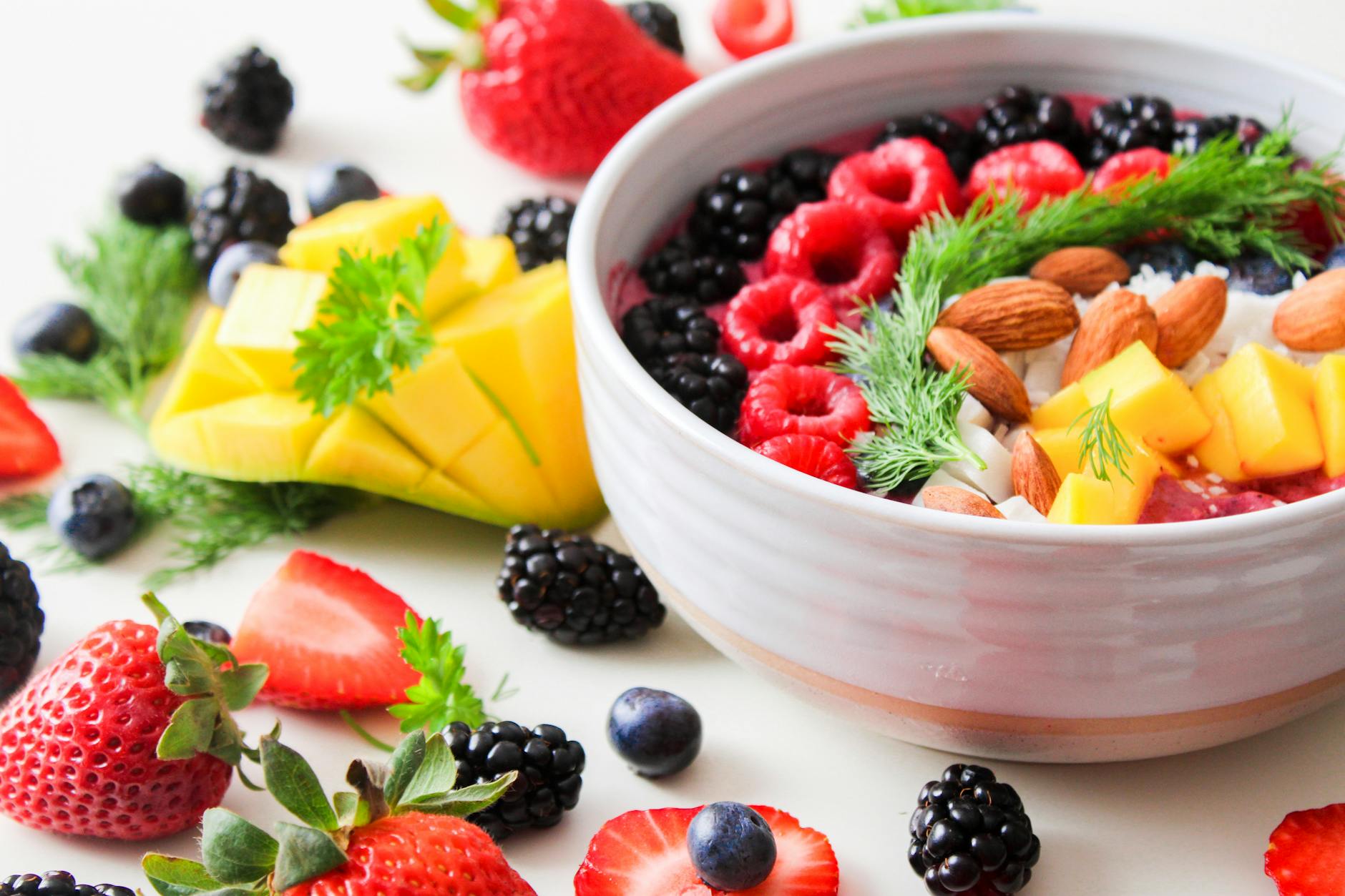
- Berries: Blueberries, strawberries, and raspberries are packed with antioxidants.
- Leafy Greens: Spinach, kale, and other dark leafy greens are nutritional powerhouses.
- Turmeric: This golden spice, widely used in Indian cooking, contains curcumin, a potent anti-inflammatory compound. Add it generously to your curries and dals.
- Ginger: Another fantastic anti-inflammatory spice common in Indian kitchens.
- Broccoli and Bell Peppers: These colourful vegetables are rich in vitamins and antioxidants.
Foods to Avoid or Limit with Carpal Tunnel Syndrome
Just as some foods can help, others can worsen inflammation and aggravate your CTS symptoms. It's wise to reduce your intake of these:
1. Refined Starches and Sugars
These simple carbohydrates are stripped of their natural fiber and nutrients, leading to rapid blood sugar spikes and increased inflammation.
- White Bread, White Rice, and Pasta: Opt for whole grains instead.
- Sugary Drinks: Sodas, sweetened juices, and energy drinks.
- Sweets and Desserts: Cakes, cookies, pastries, and candies.
- Processed Snacks: Many biscuits and packaged snacks fall into this category.
2. Saturated and Trans Fats
These unhealthy fats can promote inflammation and negatively impact overall health.
- Fried Foods: French fries, fried chicken, samosas, pakoras – enjoy these sparingly, if at all.
- Fatty Meats: Red meat, processed meats like sausages and bacon.
- Butter and Lard: Use in moderation.
- Commercially Baked Goods: Many pastries and baked items contain trans fats.
3. Excessive Salt
High salt intake can lead to fluid retention, potentially increasing pressure within the carpal tunnel and worsening symptoms.
- Processed Foods: Canned soups, frozen meals, and fast food are often loaded with sodium.
- Salty Snacks: Chips, salted nuts, and crackers.
- Pickles and Preserved Foods: These are high in salt.
4. Alcohol
While moderate consumption might not be an issue for everyone, excessive and long-term alcohol intake has been linked to an increased risk of developing CTS. It can also contribute to overall inflammation.
A Practical Scenario
Consider Priya, a young professional who spends hours typing at her computer. She started experiencing tingling in her fingers and pain in her wrist, especially at night. Her doctor suggested CTS and recommended a wrist splint and some lifestyle changes. Priya decided to also focus on her diet, cutting down on the sugary tea and biscuits she usually had with her afternoon tea and switching to whole wheat rotis instead of white rice for most meals. She also started adding flaxseeds to her morning yogurt. Within a few weeks, she noticed a significant reduction in her nighttime discomfort and felt her hands were less stiff in the morning.
When to Consult a Doctor
While dietary changes can be very helpful, they are often part of a larger management plan. It's essential to consult a healthcare professional for a proper diagnosis and treatment plan. You should see a doctor if you experience:
- Persistent numbness, tingling, or pain in your hand or wrist that interferes with daily activities.
- Weakness in your hand, making it difficult to grip objects.
- Symptoms that worsen at night.
- Symptoms that don't improve with home care or dietary changes.
Your doctor can confirm the diagnosis, rule out other conditions, and discuss treatment options, which might include wrist splinting, medication, physical therapy, or in some cases, surgery.
FAQ Section
Can specific spices help with carpal tunnel?
Yes, spices like turmeric and ginger are known for their anti-inflammatory properties and can be beneficial additions to your diet for managing CTS symptoms.
Is it okay to eat eggs if I have carpal tunnel?
Eggs are a good source of Vitamin B12, which is beneficial for nerve health. Including them in a balanced diet is generally fine, unless you have other dietary restrictions.
How quickly can I expect to see results from dietary changes?
Results vary from person to person. Some may notice improvements within a few weeks, while for others, it might take longer. Consistency with an anti-inflammatory diet is key.
Should I take supplements for carpal tunnel?
It's best to discuss supplements like Vitamin B6 or B12 with your doctor. While they can be helpful, they should be taken under medical guidance to ensure correct dosage and avoid potential side effects or interactions.