Living with eczema, especially moderate to severe atopic dermatitis, can feel like a constant battle. The itching, redness, and discomfort can significantly impact your quality of life. While topical treatments are often the first line of defense, sometimes they just don't cut it. For many, injectable medications, particularly biologics, offer a powerful solution to calm the immune system and reduce inflammation, bringing much-needed relief. Medications like dupilumab (Dupixent), approved by the FDA, have shown great promise in managing this chronic skin condition. However, the thought of injections can bring on a wave of anxiety. It's a common fear, with studies showing a significant percentage of adults experiencing needle phobia, sometimes leading them to avoid vital medical treatments. This guide is here to help you navigate the world of eczema injections, from understanding how they work to managing any anxiety you might feel.
Understanding Eczema and Injectable Treatments
Eczema is a broad term encompassing several dry, red, and itchy skin conditions. Atopic dermatitis (AD) is the most prevalent form, often stemming from a combination of genetic factors, immune system variations, and environmental triggers. When standard creams and ointments aren't enough, your doctor might consider more potent treatments. Injectable medications, specifically biologics, work by targeting specific parts of your immune system to reduce the inflammation that fuels eczema flares. These aren't daily treatments; a typical regimen might involve an initial dose, followed by injections every two weeks. While effective, it's important to remember that by calming your immune system, these medications can slightly increase your susceptibility to infections like the common cold or pink eye. Your doctor will weigh these factors carefully when discussing treatment options with you.
Options for Receiving Your Eczema Medication
If your healthcare provider determines that an injectable medication is the right path for you, you'll have a couple of choices regarding administration. You can opt for in-office injections, where a trained healthcare professional administers the medication. This is a great option if you prefer not to handle injections yourself or if you need direct medical supervision. Alternatively, many patients are prescribed at-home doses, allowing for self-injection. This offers flexibility and convenience, enabling you to manage your treatment on your own schedule. These medications typically come in two forms: pre-filled syringes and pre-filled pens. Unlike some other injectable medications, each eczema medication syringe or pen contains a single dose, simplifying the process.
Preparing for Your Injection: A Step-by-Step Guide
Preparation is key to a smooth and less anxious injection experience. Always begin by thoroughly reading all the instruction materials provided with your medication. Many manufacturers offer detailed instructional videos on their websites – the Dupixent Injection Support Center, for example, has comprehensive guides. Keep the needle cap on until the very last moment. Before you even touch the medication, examine your pen or syringe. Check the expiration date diligently. Ensure the liquid inside is clear and free from any visible particles or cloudiness. If anything seems amiss, do not use it and contact your doctor or pharmacist immediately.
While your medication warms to room temperature – a process that can take 30-45 minutes – gather your supplies. You'll need an alcohol wipe, a cotton ball, and a sharps container for safe disposal. Once everything is ready, wash your hands thoroughly. Find a comfortable, quiet place to sit.
Choosing and Preparing the Injection Site
Selecting the right spot is vital. For self-injections, the thighs and abdomen are generally recommended. If you choose your abdomen, be sure to avoid the 2-inch area directly around your belly button. If a caregiver is assisting, the upper arm is also a suitable location. A critical rule: never inject into the same spot twice in a row. Rotating injection sites prevents scar tissue from forming, which can trap the medication and hinder its effectiveness. Ensure the skin at your chosen site is intact – no cuts, bruises, or irritation. Also, avoid areas with visible blood vessels. And remember, never inject through clothing; the medication needs direct skin contact.
Once you've selected your site, use the alcohol wipe to clean it thoroughly. Allow the skin to air dry completely. Resist the urge to blow on it or wave your hand over it to speed up drying; this can reintroduce germs.
The Injection Process: Making it Easier
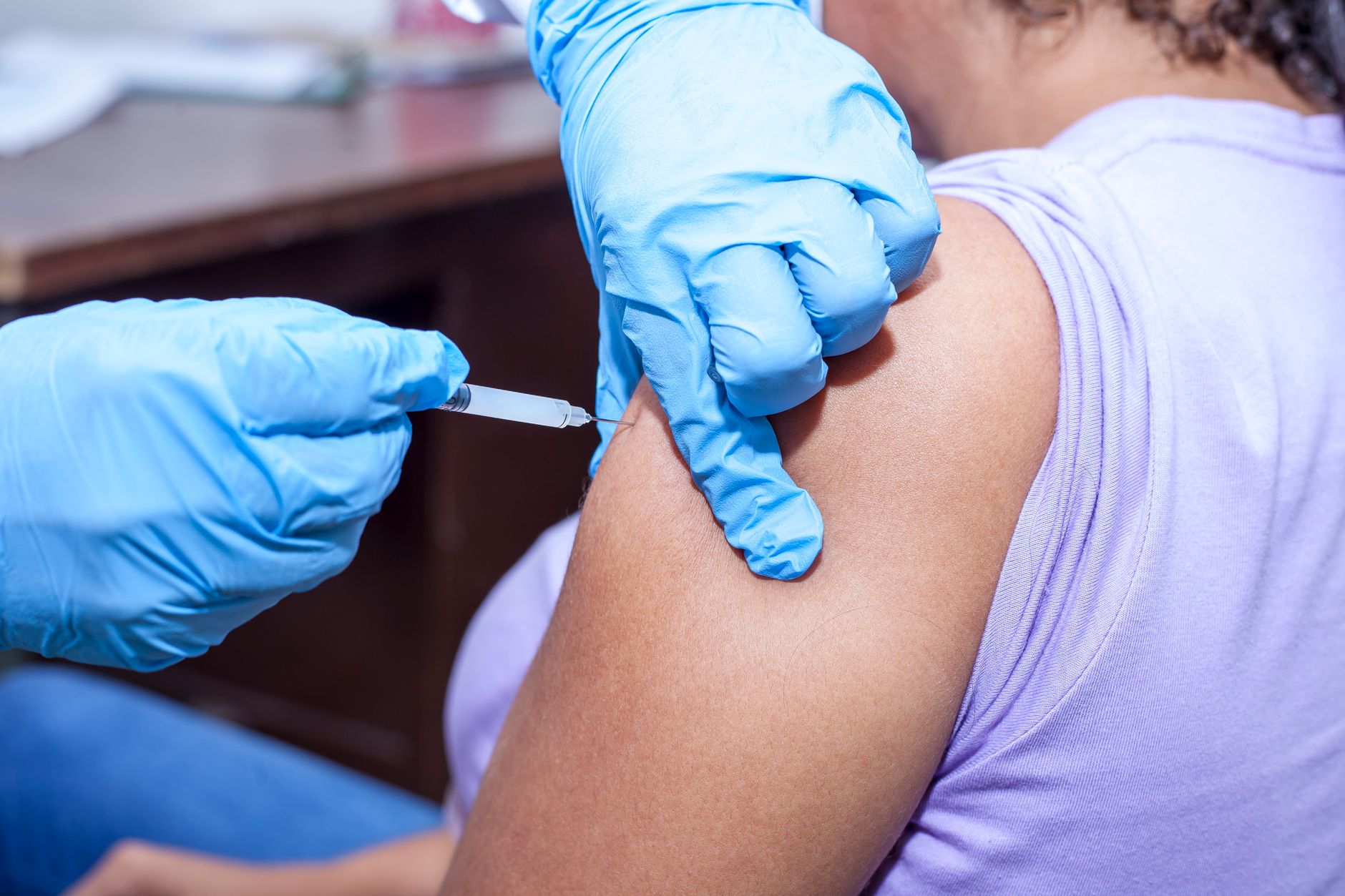
Now for the injection itself. Take a deep breath. As you exhale, insert the needle. A 45-degree angle is often recommended, and it helps to gently pinch the skin at the injection site. This creates a slightly firmer surface and can make the process feel smoother. Hold the needle steady and allow the medication to be injected.
For pre-filled pens: Follow the specific instructions for your pen. This usually involves unlocking the safety mechanism, placing the pen firmly against the skin, and pressing the injection button. You might hear a click when the injection starts and another when it's complete.
For pre-filled syringes: Once the needle is inserted, gently push the plunger down until it's fully depressed. This releases the entire dose.
After the injection is complete, withdraw the needle. Apply gentle pressure to the site with a cotton ball or clean tissue if there's any bleeding. Do not rub the area. Dispose of the used syringe or pen immediately in your sharps container. This is non-negotiable for safety.
Managing Injection Anxiety
Feeling anxious about injections is completely normal. Many people experience this, and there are effective strategies to manage it.
- Distraction: Engage your mind elsewhere. Listen to music, watch a video, talk to a friend, or do a puzzle.
- Relaxation Techniques: Practice deep breathing exercises before and during the injection. Mindfulness or meditation can also help calm your nerves.
- Numbing: Applying a cold pack or an ice cube wrapped in a cloth to the injection site for a few minutes beforehand can numb the area, reducing discomfort.
- Positive Self-Talk: Remind yourself why you're doing this – for better skin and a better quality of life. Focus on the benefits of the treatment.
- Bring Support: If possible, have a trusted friend or family member with you for support.
- Communicate: Talk to your doctor or nurse about your anxiety. They can offer reassurance, demonstrate the process, and may have additional tips.
When to Consult Your Doctor
It's essential to stay in touch with your healthcare provider. You should contact your doctor immediately if you experience any of the following:
- Signs of infection at the injection site (increased redness, warmth, swelling, or pus)
- Any signs of a severe allergic reaction (difficulty breathing, hives, swelling of the face, lips, tongue, or throat)
- Increased signs of infection anywhere in your body (fever, chills, persistent cough, sore throat)
- Concerns about the medication itself or the injection process
- If your eczema symptoms do not improve or worsen despite treatment
Managing eczema is a journey, and sometimes that journey involves injections. By understanding the process, preparing thoroughly, and employing strategies to manage anxiety, you can successfully integrate injectable treatments into your care plan and find greater relief from your symptoms. Remember, you're not alone in this, and help is available.
Frequently Asked Questions (FAQ)
What are biologics for eczema?
Biologics are a type of medication that targets specific parts of the immune system to reduce inflammation. For eczema, they are often used for moderate to severe cases when other treatments haven't been effective.
How often do I need eczema injections?
This varies depending on the specific medication and your doctor's recommendation. A common schedule might involve an initial dose followed by injections every two weeks, but your doctor will provide a personalized plan.
Can I inject eczema medication myself?
Yes, if prescribed by your doctor, you can learn to self-inject at home. Your doctor or a nurse will provide training on the correct technique using pre-filled syringes or pens.
What are the risks of eczema injections?
Because biologics work by calming the immune system, there is a slightly increased risk of infections. Your doctor will discuss the potential benefits and risks with you.
What should I do if I miss a dose?
If you miss a dose, contact your doctor or healthcare provider as soon as possible for guidance on what to do next. Do not try to double up on doses.