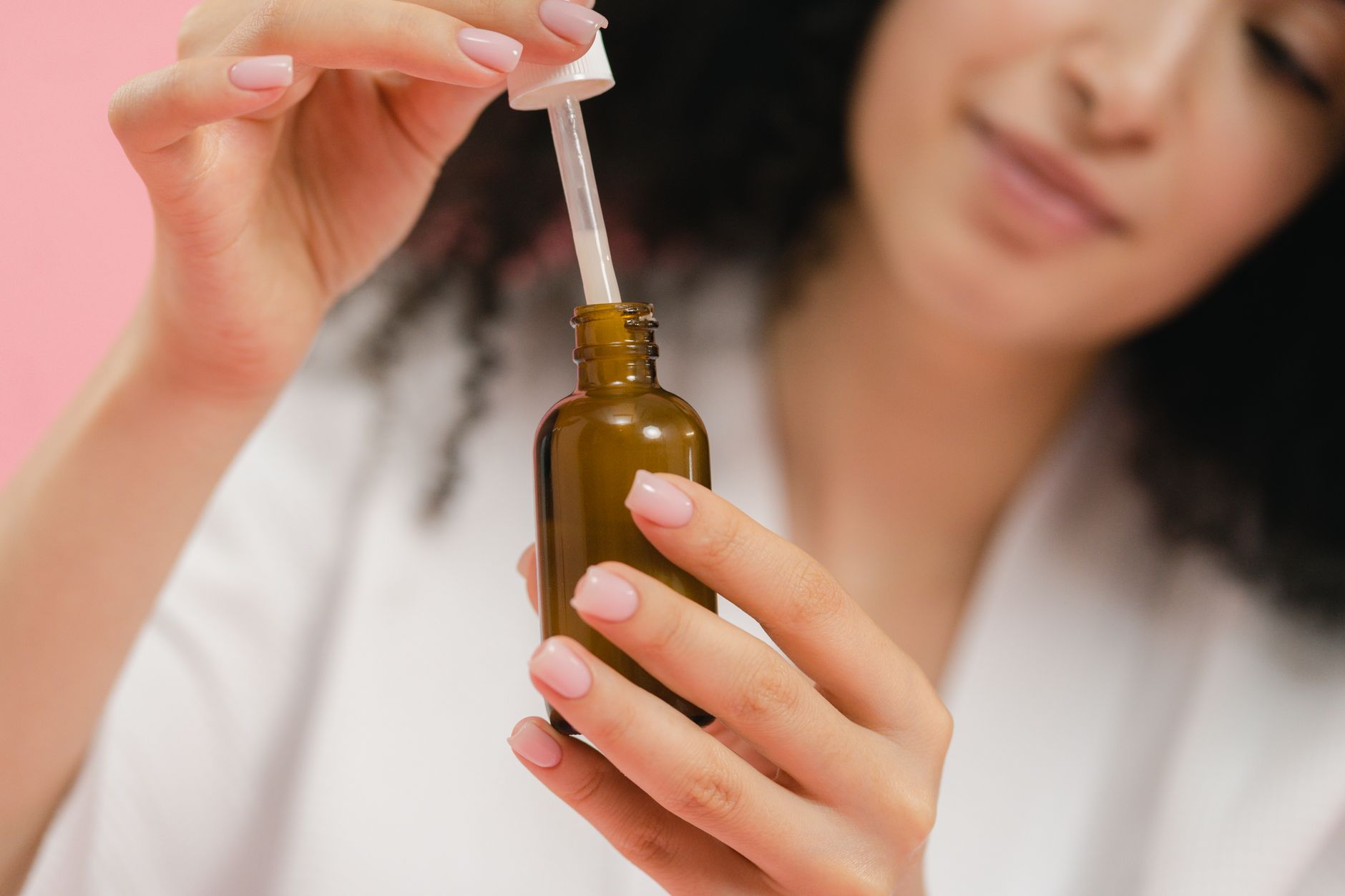
Many of us dream of clear, radiant skin, free from the worries of acne, dark spots, and the tell-tale signs of aging. While the beauty aisle is packed with options, finding something that truly works without causing irritation can feel like searching for a needle in a haystack. Enter mandelic acid, a lesser-known but incredibly effective alpha hydroxy acid (AHA) derived from bitter almonds. It’s gaining recognition for its remarkable ability to tackle common skin concerns while being remarkably gentle, making it a fantastic option even for those with sensitive skin. What Exactly Is Mandelic Acid? Mandelic acid is a type of alpha hydroxy acid (AHA). AHAs are a group of chemical compounds commonly found in skincare products, known for their exfoliating properties. They work by gently loosening the bonds between dead skin cells, allowing them to slough off more easily. This process reveals the fresher, brighter skin underneath. Unlike some of its AHA cousins, like glycolic acid, mandelic acid has a larger molecular structure. This means it penetrates the skin more slowly, leading to less irritation and a gentler experience for your skin. It’s this unique characteristic that makes it a standout choice for individuals who have found other AHAs too harsh. The Skin Benefits of Mandelic Acid Mandelic acid offers a multifaceted approach to improving skin health and appearance. Its gentle yet potent action addresses several common concerns: 1. Combating Acne Acne is a complex condition often triggered by excess oil (sebum), dead skin cells, bacteria, and inflammation. Mandelic acid helps in several ways: Regulates Sebum Production: It can help balance the amount of oil your skin produces, reducing the likelihood of clogged pores. Unclogs Pores: By exfoliating dead skin cells, it prevents them from accumulating and blocking pores, a primary cause of blackheads and whiteheads. Reduces Inflammation: Its anti-inflammatory properties can calm redness and swelling associated with acne breakouts. One study even suggested that a chemical peel containing 45% mandelic acid was as effective as a 30% salicylic acid peel for moderate acne, but with potentially fewer side effects. This is great news for acne sufferers who also have sensitive skin. 2. Fading Hyperpigmentation and Dark Spots Dark spots, often resulting from sun exposure, acne scars, or hormonal changes (like melasma), can be particularly stubborn. Mandelic acid shows promise in lightening these areas: Inhibits Melanin Production: It can help to reduce the overproduction of melanin, the pigment responsible for dark spots. Promotes Cell Turnover: By encouraging the shedding of pigmented skin cells and the generation of new ones, it gradually fades discoloration. Research from 1999 indicated that mandelic acid could reduce hyperpigmentation in melasma by up to 50% in just about four weeks. Imagine looking in the mirror and seeing those stubborn marks gradually disappear! 3. Improving Skin Texture and Tone The regular exfoliation provided by mandelic acid is key to achieving smoother, more refined skin: Removes Dead Skin Cells: This process instantly makes the skin feel smoother and look brighter. Encourages New Cell Growth: As dead cells are removed, new, healthy cells rise to the surface, leading to a more even skin tone. This improved texture and tone contribute to an overall more vibrant and youthful complexion. 4. Softening Fine Lines and Wrinkles As we age, our skin’s natural collagen production slows down, leading to the formation of fine lines and wrinkles. Mandelic acid can help counteract this: Stimulates Collagen Production: Studies, like one from 2013, suggest that mandelic acid chemical peels can boost collagen synthesis. Collagen is the protein that gives skin its structure and elasticity. Plumps the Skin: Increased collagen can help to fill out the skin, making wrinkles and fine lines less noticeable. The result is skin that appears firmer, plumper, and more youthful. 5. Gentle Exfoliation for Sensitive Skin Perhaps one of the most celebrated aspects of mandelic acid is its gentleness. Its larger molecular size means it doesn’t penetrate the skin as deeply or as quickly as other AHAs. This slower absorption significantly reduces the risk of redness, stinging, and peeling that can sometimes accompany the use of stronger exfoliants. If you’ve ever experienced discomfort with glycolic acid or other potent treatments, mandelic acid might be your perfect match. How to Use Mandelic Acid Mandelic acid is available in a variety of skincare products, including cleansers, toners, serums, and chemical peels. When incorporating it into your routine, it’s best to start slowly: Patch Test: Always perform a patch test on a small, inconspicuous area of your skin before applying a new product to your entire face, especially if you have sensitive skin. Start with Lower Concentrations: Begin with products containing lower percentages of mandelic acid (e.g., 5-10%) and use them only a few times a week. Gradually Increase Frequency: As your skin becomes accustomed to it, you can gradually increase the frequency of use, potentially to daily, depending on the product and your skin’s tolerance. Incorporate into Your Routine: Mandelic acid is often used after cleansing and before moisturizing. If using a serum, apply it after your toner and before your moisturizer. Sun Protection is Key: AHAs like mandelic acid increase your skin’s sensitivity to the sun. Always apply a broad-spectrum sunscreen with an SPF of 30 or higher every morning, even on cloudy days. This is non-negotiable to prevent further sun damage and hyperpigmentation. A Real-Life Scenario: Priya, a 35-year-old homemaker, struggled with persistent acne scars and uneven skin tone. She had tried several strong treatments that left her skin red and irritated. Hesitant but hopeful, she started using a gentle mandelic acid serum a few nights a week. Within three weeks, she noticed her acne breakouts were less frequent, and the dark spots were visibly lighter. By the end of two months, her skin felt smoother and looked more even-toned, without the harsh reactions she’d experienced before. Potential Side Effects and Precautions While mandelic acid is known for its gentleness, some side effects are still possible, especially when you first start using it or if you use too high a concentration: Mild redness Slight stinging or tingling Dryness or peeling These effects are usually temporary and subside as your skin adjusts. However, if irritation persists or is severe, discontinue use and consult a dermatologist. When to Consult a Doctor: It’s always wise to consult a dermatologist before starting any new skincare regimen, especially if you have a pre-existing skin condition like eczema or rosacea, or if you are pregnant or breastfeeding. A dermatologist can assess your skin type and concerns, recommend the right concentration and type of mandelic acid product, and guide you on how to use it safely and effectively. Mandelic Acid vs. Other AHAs You’ve likely heard of other AHAs, such as glycolic acid and lactic acid. How does mandelic acid stack up? Glycolic Acid: Derived from sugar cane, it has a smaller molecular size and penetrates more deeply, making it a powerful exfoliant for fine lines and acne. However, it can be more irritating for sensitive skin. Lactic Acid: Also effective for exfoliation and hydration, lactic acid is generally considered gentler than glycolic acid but can still be more irritating than mandelic acid for some individuals. Mandelic Acid: As discussed, its larger molecular size makes it the gentlest option, ideal for sensitive skin, acne, and hyperpigmentation, with a lower risk of irritation. The choice between these AHAs often depends on your skin’s sensitivity and specific concerns. For those prioritizing gentleness and targeting issues like acne and dark spots without significant irritation, mandelic acid is often the top recommendation. Frequently Asked Questions (FAQ) Can I use mandelic acid every day? For most people, especially those with sensitive skin, it's best to start using mandelic acid a few times a week and gradually increase frequency as tolerated. Some may find daily use suitable, while others may need to stick to a less frequent schedule. Always listen to your skin. How long does it take to see results from mandelic acid? Results can vary, but many users report noticing a difference in their skin's texture and clarity within 2-4 weeks of consistent use. Significant improvements in hyperpigmentation or acne may take longer, often 4-8 weeks or more. Can mandelic acid be mixed with other skincare ingredients? When using mandelic acid, be cautious when combining it with other strong actives like retinoids or other AHAs/BHAs, especially when you first start. This can increase the risk of irritation. It’s generally safe to use with hydrating ingredients like hyaluronic acid and niacinamide. Always introduce new products gradually. Is mandelic acid safe during pregnancy? While mandelic acid is generally considered safe due to its topical application and larger molecular size, it's always best to consult with your doctor or dermatologist before using any new skincare products during pregnancy or breastfeeding. Mandelic acid offers a compelling blend of efficacy and gentleness, making it a valuable addition to many skincare routines. Whether you're battling acne, fading dark spots, or simply seeking smoother, more radiant skin, this almond-derived AHA might just be the gentle powerhouse your
In summary, timely diagnosis, evidence-based treatment, and prevention-focused care improve long-term health outcomes.