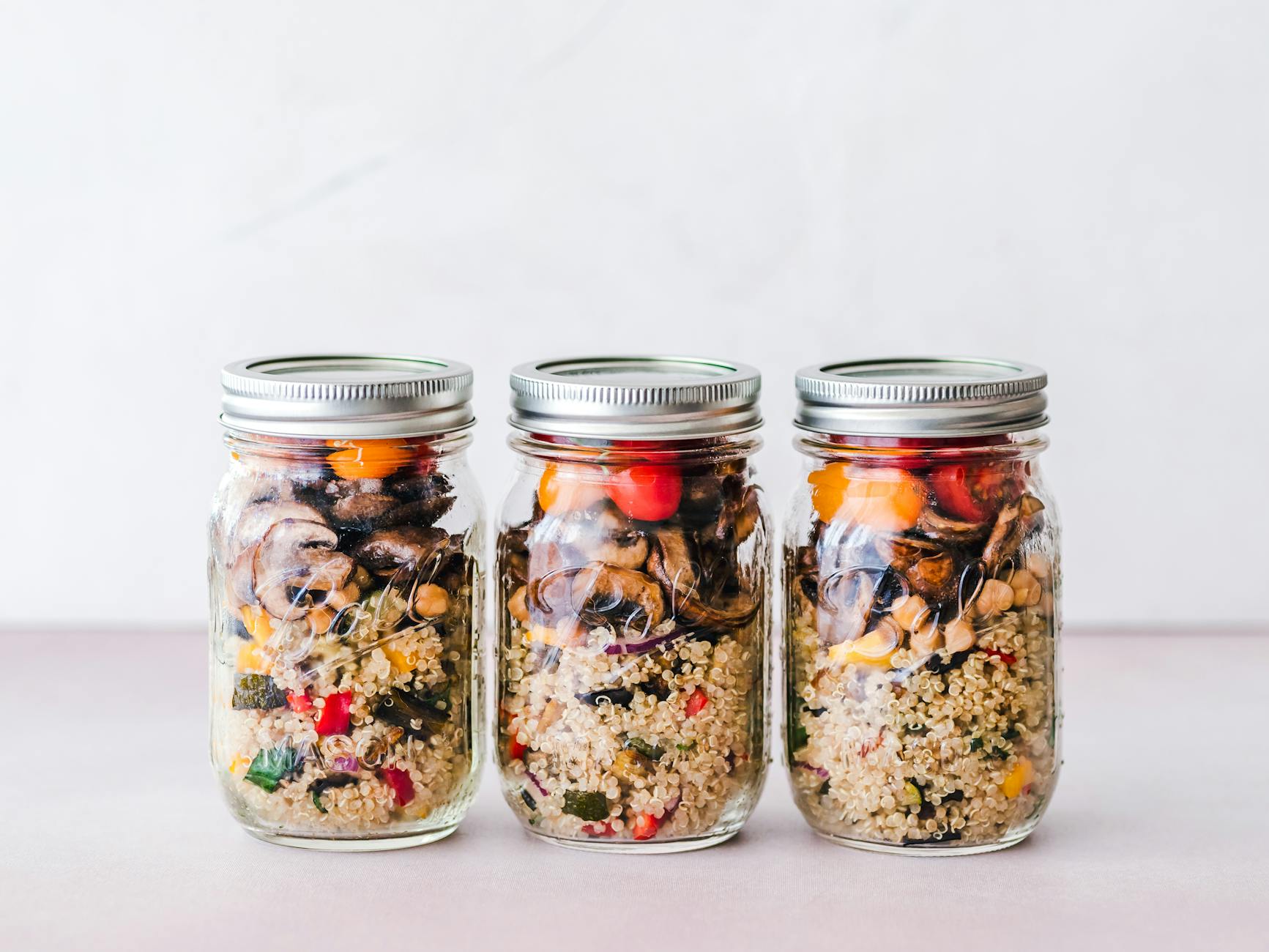
Navigating Mealtime with Multiple Sclerosis: A Guide to Simplified Meal Prepping
Multiple Sclerosis (MS) is a chronic condition that can significantly impact daily life, including the ability to prepare meals. Symptoms like fatigue, muscle weakness, and balance issues can make cooking a daunting task. However, with strategic meal prepping, individuals with MS can ensure they have access to nutritious and satisfying meals without unnecessary stress. This guide offers practical tips and strategies to make meal preparation manageable and enjoyable, even on days when energy levels are low.
Understanding the Challenges of MS and Cooking
MS affects the central nervous system, leading to a wide range of symptoms that can interfere with cooking. These include:
- Fatigue: Persistent tiredness can make standing for long periods, chopping, and stirring difficult.
- Muscle Weakness: Weakness in the arms and hands can affect grip strength and the ability to handle utensils or heavy pots.
- Balance and Coordination Issues: These can increase the risk of accidents in the kitchen.
- Cognitive Changes: Difficulty with concentration or memory can make complex recipes or multi-step processes challenging.
These symptoms can make spontaneous cooking difficult and lead to reliance on less healthy convenience foods or skipping meals altogether. Meal prepping offers a proactive solution by preparing meals in advance when energy levels are higher.
The Power of Planning: Weekly Meal Strategies
A structured approach to meal planning can significantly reduce the mental load and physical effort required for daily cooking. Consider dedicating a specific time each week for planning your meals, snacks, and grocery shopping. This:
- Reduces Daily Mental Effort: You won't have to decide what to eat or cook each day.
- Minimizes Grocery Trips: A single, well-planned shopping trip or delivery can suffice for the week.
- Ensures Availability of Ingredients: You'll have everything you need for healthy meals on hand.
Smart Shopping and Ingredient Choices
Making informed choices at the grocery store can save time and energy during meal preparation.
Opt for Healthier Convenience Foods
When choosing pre-packaged items, always check the labels. Look for options that are:
- Low in saturated fats and free from trans fats.
- Low in added sugars, including high-fructose corn syrup or cane sugar.
- Made with whole grains instead of refined grains.
- Rich in essential nutrients like protein, fiber, vitamins, and minerals.
Examples of beneficial convenience items include low-sodium, low-fat salad dressings and condiments, and low-sodium, low-fat, low-sugar canned vegetables.
Leverage Pre-cut Fruits and Vegetables
Your local grocery store likely offers a variety of fresh, frozen, or canned pre-cut fruits and vegetables. While convenient, be mindful of:
- Canned Goods: These can be high in sugar and salt. Opt for canned fruits packed in 100% juice and low-sodium or no-salt-added canned vegetables. Rinsing canned vegetables before use can further reduce sodium content.
Utilize Pre-cooked Proteins
Pre-cooked poultry, meat, or fish can be a lifesaver on busy or low-energy days. These can be incorporated into various meals quickly and easily.
Efficient Meal Prepping Techniques
The goal of meal prepping is to prepare components or entire meals in advance, allowing for quick assembly or reheating when needed.
Cook in Batches When Energy is High
Identify times during the week when you feel most energetic and use this time to cook larger quantities of food. Portion these meals into individual servings and store them in the refrigerator or freezer for later use. This strategy ensures you have healthy meals ready even on days when cooking is not feasible.
Simplify Your Recipes
Plan meals that require fewer ingredients and utilize ingredients that can be used across multiple dishes. For instance, cooking a batch of chicken to be used in a salad one day and a stir-fry the next can save significant preparation time.
Optimize Your Kitchen Workflow
Arrange your kitchen tools and ingredients in a way that minimizes unnecessary movement. Keep frequently used items within easy reach. Consider using adaptive tools if needed to make tasks like chopping or opening containers easier.
Embrace Freezing
Freezing meals or meal components is an excellent way to preserve food and have ready-to-eat options. Ensure you use appropriate freezer-safe containers and label them clearly with the contents and date.
Seeking Support
Don't hesitate to ask for help. Friends, family members, or support workers can assist with grocery shopping, meal preparation, or even cooking. If you find kitchen tasks particularly challenging, consider consulting an occupational therapist who can provide personalized strategies and adaptive equipment recommendations.
Healthy Eating Recommendations for MS
The National Multiple Sclerosis Society (NMSS) offers valuable guidance for maintaining a healthy diet with MS:
- Prioritize Home-Cooked Meals: Prepare food at home as much as possible to control ingredients.
- Limit Processed Foods and Added Sugars: These can contribute to inflammation and other health issues.
- Incorporate Fresh Fruits and Vegetables: Aim for a variety of colorful produce daily.
- Choose Whole Grains: Opt for whole grains over refined grains for better fiber and nutrient intake.
When to Consider Takeout or Delivery
While home-cooked meals are ideal, occasional takeout or delivery can be a practical option when you're not up to cooking. However, be aware that restaurant and takeout foods are often high in sodium, saturated fat, and added sugars. It's best to limit these options and choose healthier alternatives when possible.
FAQ: Meal Prepping with MS
Q1: What are the biggest challenges in meal prepping with MS?
The primary challenges include fatigue, muscle weakness, balance issues, and cognitive difficulties, all of which can make the physical and mental demands of cooking and prepping overwhelming.
Q2: How can I make grocery shopping easier?
Consider using grocery delivery services, asking a friend or family member for help, or creating a detailed shopping list to minimize time spent in the store. Focus on buying pre-cut produce and pre-cooked proteins.
Q3: What are some simple meal ideas for low-energy days?
Smoothies, overnight oats, pre-made soups, salads with pre-cooked chicken or beans, and frozen meals that only require reheating are excellent options. Focus on meals that require minimal preparation.
Q4: Is it safe to freeze prepped meals?
Yes, it is generally safe to freeze prepped meals. Ensure you use appropriate freezer-safe containers, cool food completely before freezing, and label meals with the date. Reheat thoroughly before consuming.
Q5: How can I ensure my prepped meals are nutritious?
Focus on including a balance of lean protein, whole grains, healthy fats, and plenty of fruits and vegetables in your meal plans. Limit processed ingredients, added sugars, and excessive sodium.