Receiving a diagnosis of Multiple Sclerosis (MS) can feel overwhelming, especially when you're unsure about what it means for your life. In India, where awareness and resources for MS are growing, understanding this condition is the first step towards managing it effectively. This guide aims to provide clear, practical information for those newly diagnosed, helping you navigate the path ahead with confidence.
What is Multiple Sclerosis?
Multiple Sclerosis is a chronic, unpredictable disease that affects the central nervous system (CNS), which includes the brain and spinal cord. In MS, the immune system mistakenly attacks the myelin sheath, a protective covering around nerve fibers. This damage, called demyelination, disrupts the communication between your brain and the rest of your body. Think of myelin like the plastic insulation around an electrical wire; when it's damaged, the signal can't travel properly. This disruption can lead to a wide range of symptoms that vary greatly from person to person and can change over time.
Understanding the Symptoms of MS
The symptoms of MS are diverse because the disease can affect different parts of the CNS. They often appear and disappear in episodes, known as relapses or flare-ups, followed by periods of remission where symptoms may improve or disappear entirely. Some common symptoms include:
- Fatigue: This is one of the most common and debilitating symptoms. It's not just feeling tired; it's an overwhelming exhaustion that can interfere with daily activities.
- Numbness or Tingling: You might experience sensations like pins and needles or a loss of feeling in your face, arms, legs, or trunk.
- Vision Problems: Blurred vision, double vision, or even temporary vision loss in one eye can occur. Optic neuritis, an inflammation of the optic nerve, is often an early symptom.
- Muscle Spasticity and Weakness: Stiffness and involuntary muscle spasms are common. You might also notice weakness in your limbs.
- Balance Problems and Dizziness: Difficulty with coordination and feeling unsteady can make walking and everyday movements challenging.
- Pain: Neuropathic pain, a burning or aching sensation, can affect different parts of the body.
- Bladder and Bowel Issues: Frequent urination, urgency, or difficulty controlling the bladder and bowels are also possible.
- Cognitive Changes: Some people experience problems with memory, concentration, and processing information.
It's important to remember that not everyone with MS will experience all of these symptoms. Your experience will be unique to you.
What Causes Multiple Sclerosis?
The exact cause of MS is still unknown. However, research suggests it's likely a combination of factors:
- Autoimmune Response: The most accepted theory is that MS is an autoimmune disease where the body's immune system mistakenly attacks its own tissues.
- Genetic Predisposition: While MS is not directly inherited, having a close relative with MS increases your risk. Certain genes may make you more susceptible.
- Environmental Factors: Researchers are exploring various environmental triggers, including viral infections (like the Epstein-Barr virus) and vitamin D deficiency. Geographic location and sun exposure also seem to play a role, with MS being more common in regions further from the equator.
Scientists are continuously working to unravel the complexities of MS to find better ways to prevent and treat it.
Diagnosing Multiple Sclerosis in India
Diagnosing MS involves a combination of medical history, neurological examination, and diagnostic tests. Your doctor will look for evidence of damage in different parts of your CNS that occurred at different times. Key diagnostic tools include:
- Neurological Examination: This assesses your vision, eye movements, strength, coordination, balance, reflexes, and sensation.
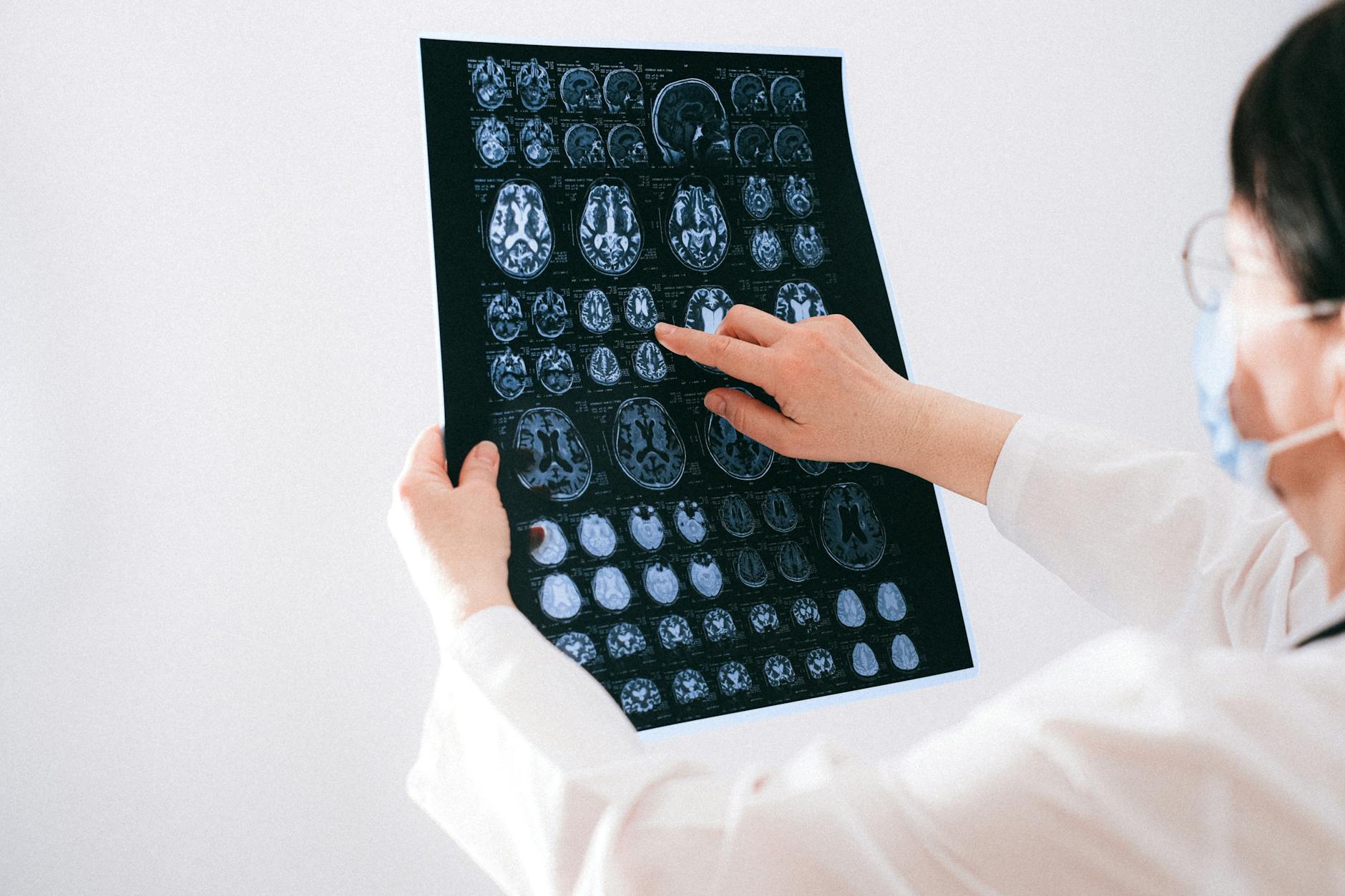
- Magnetic Resonance Imaging (MRI): MRI scans are crucial. They use powerful magnets and radio waves to create detailed images of your brain and spinal cord, revealing areas of demyelination (lesions). Gadolinium contrast dye is often used to highlight active inflammation.
- Evoked Potentials Tests: These tests measure the electrical activity of the brain in response to specific stimuli, such as visual or auditory signals. They can detect slowed nerve signals caused by myelin damage, even if you don't have obvious symptoms.
- Lumbar Puncture (Spinal Tap): A sample of cerebrospinal fluid (CSF) is collected from your lower back. It's analyzed for abnormal proteins and inflammatory cells that can indicate MS.
Your neurologist will use these results, along with your symptom history, to make a diagnosis based on established criteria like the McDonald criteria.
Managing MS: Treatment and Lifestyle
While there is currently no cure for MS, there are effective treatments and lifestyle adjustments that can significantly manage the condition and improve your quality of life. Early treatment is key to controlling the disease and reducing its impact.
Disease-Modifying Therapies (DMTs)
DMTs are the cornerstone of MS treatment. They aim to reduce the frequency and severity of relapses, slow disease progression, and decrease the number of new lesions on MRI scans. Several types of DMTs are available, including:
- Injectable medications: Interferon beta-1a and interferon beta-1b are often among the first DMTs prescribed.
- Oral medications: Fingolimod, dimethyl fumarate, teriflunomide, and others offer convenient daily or weekly dosing.
- Infusion therapies: Natalizumab, ocrelizumab, and alemtuzumab are administered intravenously and are often used for more active forms of MS.
Your neurologist will discuss the best DMT option for you based on your specific type of MS, disease activity, lifestyle, and potential side effects. It's vital to take your medication exactly as prescribed.
Symptom Management
Beyond DMTs, various strategies help manage specific MS symptoms:
- Fatigue: Pacing your activities, taking short breaks, optimizing sleep, and sometimes medication can help.
- Spasticity: Physical therapy, stretching exercises, and muscle relaxant medications can provide relief.
- Pain: Medications like gabapentin or pregabalin, along with complementary therapies, can manage neuropathic pain.
- Bladder/Bowel Issues: Dietary changes, fluid management, and specific medications can be effective.
- Mobility: Physical therapy, occupational therapy, and assistive devices like canes or walkers can improve balance and mobility.
Lifestyle Adjustments
Making conscious lifestyle choices plays a significant role in managing MS:
- Healthy Diet: Focus on a balanced diet rich in fruits, vegetables, whole grains, and lean proteins. Some people find reducing processed foods and saturated fats beneficial.
- Regular Exercise: Moderate, regular exercise, tailored to your abilities, can help maintain strength, flexibility, and mood. Activities like swimming, walking, and gentle yoga are often recommended.
- Stress Management: Chronic stress can potentially worsen MS symptoms. Techniques like mindfulness, meditation, deep breathing exercises, and engaging in hobbies can help.
- Adequate Sleep: Prioritize quality sleep to combat fatigue and support overall well-being.
- Stay Cool: Heat sensitivity is common in MS. Avoid overheating by using cooling vests, staying hydrated, and avoiding strenuous activity in hot weather.
Preventing MS Relapses
While you cannot prevent MS itself, you can take steps to minimize the risk of relapses and manage your condition proactively:
- Adhere to Treatment: Consistently take your prescribed disease-modifying therapy.
- Manage Infections: Promptly treat any infections, as they can sometimes trigger relapses.
- Avoid Overheating: Be mindful of heat triggers and take precautions.
- Maintain a Healthy Lifestyle: A balanced diet, regular exercise, and good sleep hygiene support your overall health and resilience.
- Stay Informed: Regularly communicate with your healthcare team and stay updated on your condition.
When to Consult a Doctor
If you experience any new or worsening neurological symptoms that are concerning, it's essential to contact your neurologist promptly. This includes sudden changes in vision, severe fatigue, significant weakness, or balance issues. Don't hesitate to reach out if you have questions about your treatment, are experiencing side effects, or need support. Regular follow-up appointments are also key to monitoring your condition and adjusting your treatment plan as needed.
Living Well with MS in India
A diagnosis of MS is not an end, but a new beginning. With advancements in treatment and a growing understanding of the disease, many people with MS lead full and active lives. Connecting with support groups, both online and in India, can provide invaluable emotional support and practical advice from others who understand your journey. Your healthcare team is your greatest resource; lean on them for guidance, support, and the latest information. By taking an active role in your care and embracing a proactive approach, you can effectively manage MS and continue to live a meaningful life.
Frequently Asked Questions (FAQ)
- Can MS be cured?
Currently, there is no cure for Multiple Sclerosis. However, treatments are available that can help manage symptoms, slow disease progression, and improve quality of life.
- Is MS contagious?
No, MS is not a contagious disease. It is not spread from person to person.
- Will I need a wheelchair?
Not necessarily. While some individuals with MS may eventually need mobility aids, many manage their condition effectively with medication and lifestyle adjustments, maintaining their mobility for years.
- What is the role of diet in MS management?
A balanced, healthy diet is important for overall well-being and can help manage symptoms like fatigue. While no specific diet cures MS, focusing on whole foods, fruits, vegetables, and lean proteins is generally recommended.