Understanding Multiple Sclerosis (MS) and Disability in India
Multiple Sclerosis (MS) is a chronic condition affecting the central nervous system, impacting the brain and spinal cord. It disrupts the flow of information within the brain, and between the brain and body. While MS is not typically fatal, its effects can significantly alter an individual's quality of life and ability to perform daily tasks, leading to questions about disability status and associated rights. This article aims to provide a clear, practical understanding of when MS may be considered a disability, particularly for readers in India, and what this means in terms of support and accommodations.
What is Multiple Sclerosis (MS)?
MS is an autoimmune disease where the body's immune system mistakenly attacks the myelin sheath, a protective covering around nerve fibers. This damage, known as demyelination, can slow or block nerve signals, leading to a wide range of symptoms. The severity and type of symptoms vary greatly from person to person and can change over time.
Symptoms of Multiple Sclerosis
The symptoms of MS are diverse and can manifest in various ways. Some individuals may experience mild symptoms that allow them to continue with their daily lives, including work and education. Others may face severe symptoms that significantly impair their ability to function. Common symptoms include:
- Fatigue: Persistent tiredness that is not relieved by rest.
- Numbness and tingling: Often felt in the hands, feet, and limbs.
- Muscle weakness and spasms: Difficulty with movement and involuntary muscle contractions.
- Vision problems: Blurred vision, double vision, or temporary vision loss.
- Balance and coordination issues: Difficulty walking or maintaining stability.
- Pain: Chronic pain, often described as burning or aching.
- Cognitive changes: Problems with memory, concentration, and information processing.
- Speech difficulties: Slurring of words or changes in voice.
- Bladder and bowel problems: Issues with control and function.
- Heat sensitivity: Symptoms worsening with increased body temperature.
- Lhermitte's sign: An electric shock-like sensation that runs down the spine and into the limbs when the neck is bent forward.
When Does MS Qualify as a Disability?
The definition of disability can vary depending on the context and the specific agency or law being considered. In India, disability is often assessed based on the degree of functional impairment and its impact on an individual's ability to earn a livelihood or perform daily activities. Generally, MS is considered a disability if its symptoms are severe enough to significantly interfere with:
- Work: If MS symptoms prevent you from performing your job duties or maintaining employment.
- Daily Activities: If MS symptoms make it difficult to carry out essential everyday tasks such as personal care, mobility, or communication.
- Major Life Activities: This broad category includes activities like walking, seeing, speaking, hearing, learning, and working.
The Indian government has specific criteria for recognizing disabilities, often outlined in acts like the Rights of Persons with Disabilities Act, 2016. While MS might not be explicitly listed as a specific disability in all contexts, its functional impact can lead to its recognition. The key is the severity and persistence of symptoms that cause substantial limitations.
Diagnosis of Multiple Sclerosis
Diagnosing MS involves a comprehensive evaluation by a neurologist. The process typically includes:
- Medical History and Neurological Examination: Assessing symptoms and performing tests to check reflexes, muscle strength, coordination, and vision.
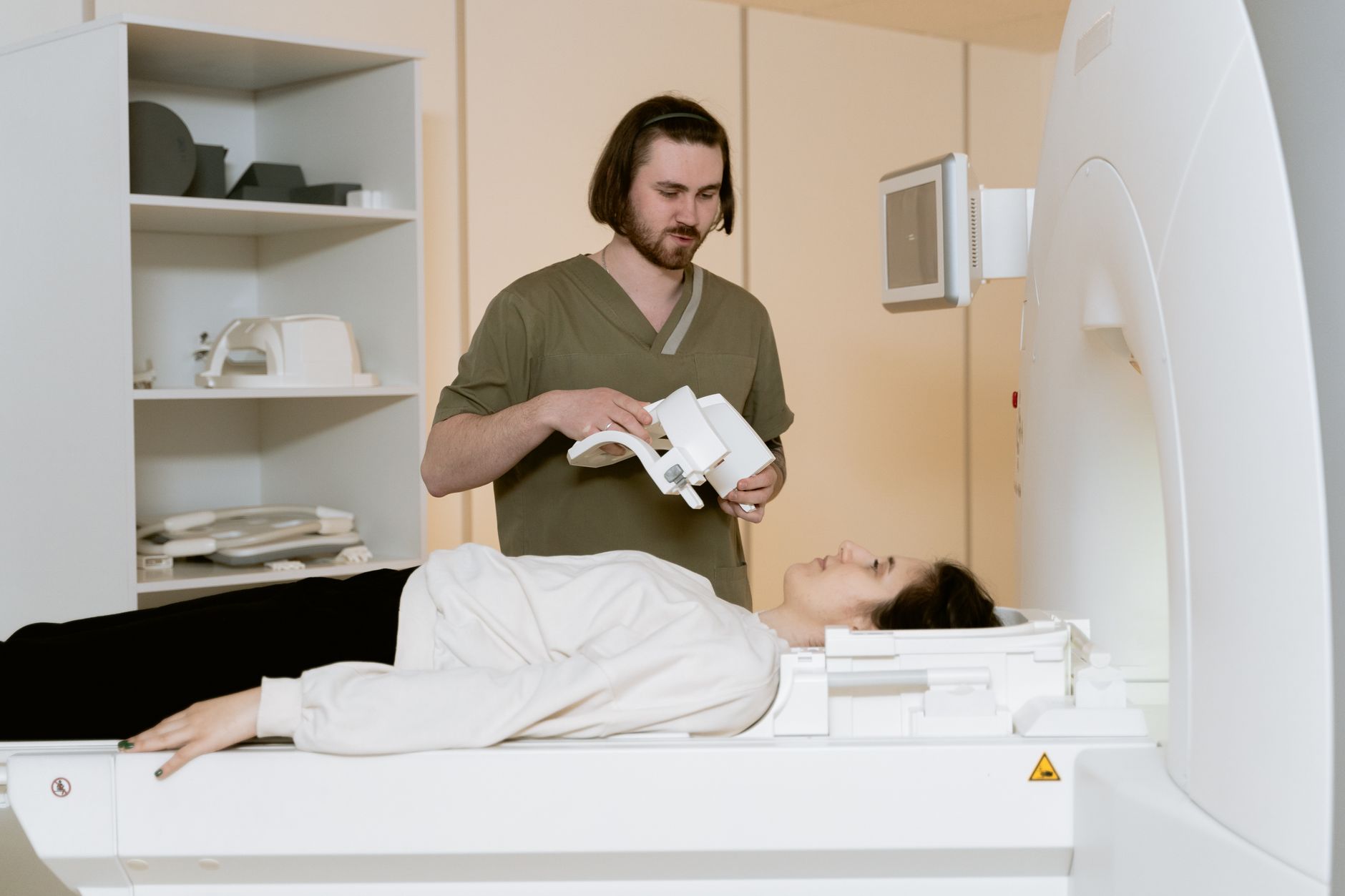
- Magnetic Resonance Imaging (MRI): This imaging technique is crucial for detecting lesions (areas of damage) in the brain and spinal cord, which are characteristic of MS.
- Evoked Potential Tests: These tests measure the electrical activity of the brain in response to visual, auditory, or sensory stimuli, helping to assess nerve pathway function.
- Lumbar Puncture (Spinal Tap): Analyzing cerebrospinal fluid (CSF) for abnormal antibodies and other markers that can indicate inflammation and demyelination.
A definitive diagnosis is made when there is evidence of damage in at least two different areas of the central nervous system, occurring at different times.
Treatment and Management of MS
While there is no cure for MS, various treatments can help manage symptoms, reduce the frequency and severity of relapses, and slow disease progression. Treatment plans are individualized and may include:
- Disease-Modifying Therapies (DMTs): These medications aim to reduce inflammation and the number of relapses. They are a cornerstone of MS management.
- Symptom Management: Medications and therapies to address specific symptoms like fatigue, spasticity, pain, and bladder issues.
- Rehabilitation Therapies: Physiotherapy, occupational therapy, and speech therapy can help individuals maintain mobility, independence, and communication skills.
- Lifestyle Modifications: As discussed below, certain lifestyle changes can significantly aid in managing MS.
Lifestyle Changes for Managing MS
Making informed lifestyle choices can play a vital role in managing MS symptoms and improving overall well-being. These include:
- Stay Active with Low-Impact Exercise: Activities like swimming, walking, and gentle yoga can help maintain strength, flexibility, and balance without overexerting.
- Balanced Nutrition: A healthy, balanced diet rich in fruits, vegetables, and whole grains supports overall health and can help manage inflammation.
- Avoid Smoking and Tobacco Products: Smoking is known to worsen MS progression and increase the risk of complications.
- Manage Stress: Techniques like meditation, deep breathing exercises, and mindfulness can help cope with the stress associated with living with a chronic condition.
- Adequate Sleep: Prioritizing good sleep hygiene is essential for managing fatigue.
- Stay Cool: Many people with MS are sensitive to heat, which can temporarily worsen symptoms. Staying in cool environments can be beneficial.
Complications of MS
MS can lead to several complications over time, including:
- Increased susceptibility to infections.
- Pressure sores due to immobility.
- Depression and anxiety.
- Osteoporosis, especially if mobility is limited.
- Bowel and bladder dysfunction.
When to Consult a Doctor
It is crucial to consult a doctor if you experience any new or worsening symptoms that could be indicative of MS or a significant change in your condition. Early diagnosis and intervention are key to effective management. Specifically, you should consult a doctor if you experience:
- Sudden onset of neurological symptoms like vision changes, numbness, weakness, or balance problems.
- Persistent fatigue that interferes with daily life.
- Changes in cognitive function.
- If you have been diagnosed with MS and your symptoms are significantly impacting your ability to work or perform daily activities, consult your neurologist and explore options for disability support.
Understanding Disability Rights and Support in India
If MS is recognized as a disability, individuals may be entitled to certain rights and support services. These can include:
- Government Benefits: Access to financial assistance or schemes designed for persons with disabilities.
- Employment Accommodations: Reasonable adjustments in the workplace to facilitate continued employment.
- Accessibility: Improved access to public buildings, transportation, and services.
Navigating the process of disability certification and accessing benefits can be complex. It is advisable to consult with healthcare professionals, disability rights organizations, and relevant government departments for guidance specific to the Indian context.
Conclusion
Multiple Sclerosis is a complex condition with a wide spectrum of effects. While not always fatal, its potential to cause significant functional impairment means it can qualify as a disability. Understanding the symptoms, diagnostic process, treatment options, and the criteria for disability recognition is essential for individuals living with MS in India. By staying informed and seeking appropriate support, individuals can better manage their condition and advocate for their rights.