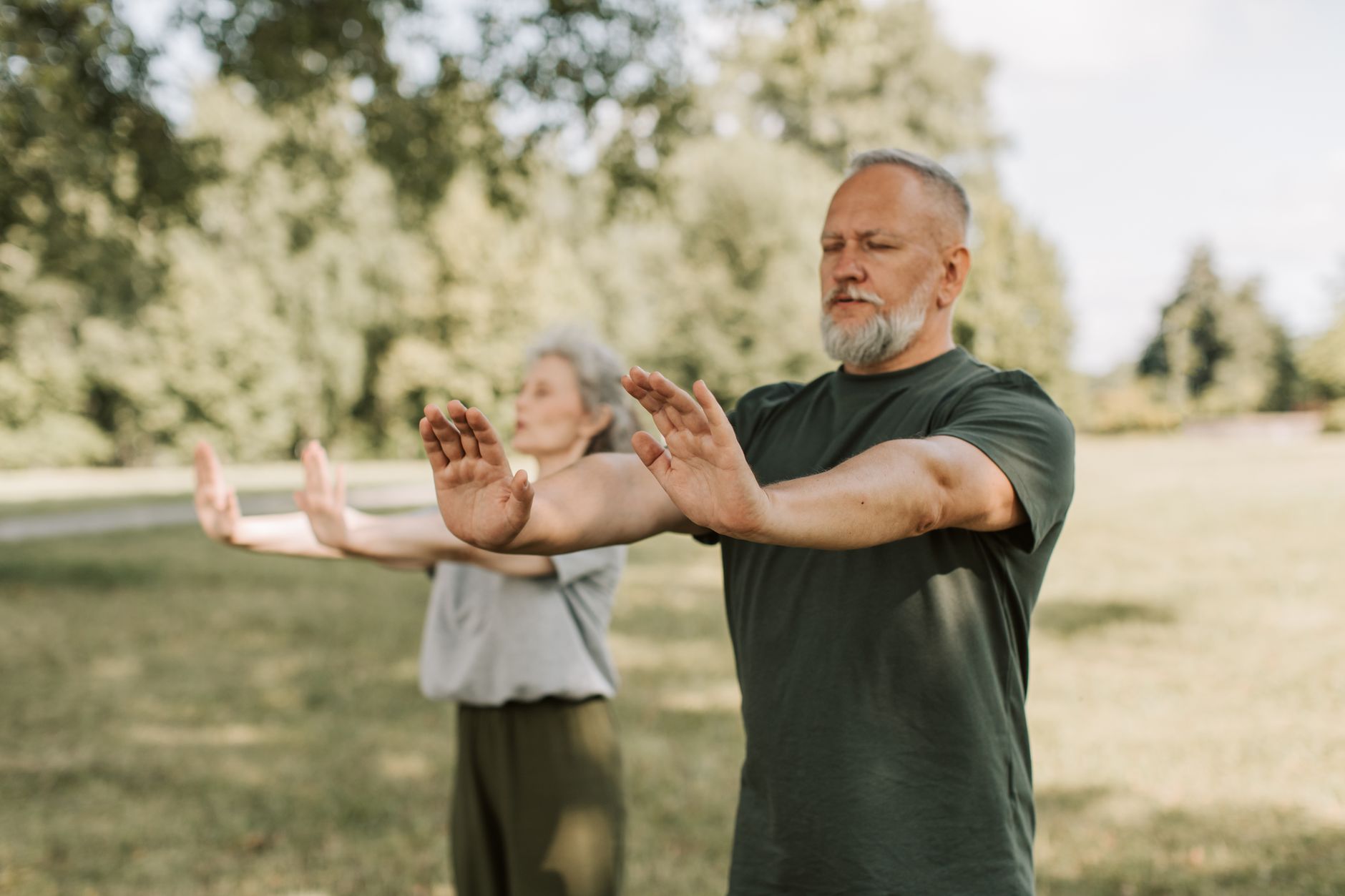
Understanding Parkinson's Disease and Natural Approaches Parkinson's disease (PD) is a progressive neurological disorder that significantly impacts an individual's ability to control their body's movements. It affects muscle control, balance, and can also lead to challenges with cognitive functions, senses, and mental well-being. While a complete cure for Parkinson's disease remains elusive, a combination of prescribed medications, surgical interventions, and crucial lifestyle adjustments can effectively manage symptoms and enhance the overall quality of life for those affected. It's important to acknowledge that each person experiences PD differently, and the effectiveness of lifestyle changes, including dietary modifications and the use of nutritional supplements, can vary widely. Consequently, scientific research has explored various natural remedies for PD to ascertain their potential impact on symptoms and disease progression. While many natural remedies have not yet been definitively proven effective, some individuals with Parkinson's disease report experiencing benefits from them. If you are considering incorporating any supplements or alternative therapies into your Parkinson's management plan, it is absolutely essential to consult with your doctor. This is crucial to discuss any potential interactions with your current medical treatments. Remember, natural remedies should always be viewed as a complementary approach to conventional medical treatment for Parkinson's disease, not as a replacement. This article delves into some commonly discussed natural treatments and examines the current scientific evidence regarding their efficacy and safety for individuals with Parkinson's disease. Nutritional Supplements Under Investigation for Parkinson's Disease Nutritional supplements are often explored by individuals with Parkinson's disease to address potential deficiencies in vitamins and minerals, thereby aiming to prevent health deterioration that could exacerbate PD symptoms. Although more extensive research is required to conclusively determine their effectiveness for people with PD, several supplements are currently under investigation: Coenzyme Q10 (CoQ10) CoQ10 is an antioxidant naturally present in the body. While researchers have investigated its role in Parkinson's disease, the current findings do not provide sufficient evidence to recommend it as a standard supplement for PD management. N-acetyl cysteine (NAC) A small-scale study conducted in 2019 showed promising results, indicating that NAC supplementation might increase dopamine transporter binding and positively influence both motor and cognitive impairments observed in individuals with Parkinson's disease. Magnesium Magnesium plays a vital role in muscle function, among other bodily processes. Its benefits for individuals with PD have yielded mixed results in studies. However, a 2019 study involving mice suggested that magnesium threonate supplements could lead to fewer motor deficits and reduced dopamine neuron loss. Nevertheless, more conclusive human studies are needed to confirm these findings. Vitamin E Research published in 2021 linked higher dietary intake of Vitamin E to a reduced risk of developing Parkinson's disease. Additional findings suggest that Vitamin E possesses neuroprotective properties, which could be beneficial in managing the condition. Vitamin K While some research indicates a correlation between lower levels of Vitamin K2 and an increased risk of Parkinson's disease, the benefits of supplementation have not yet been confirmed. Further research is necessary in this area. Omega-3 Fatty Acids These essential healthy fats are found in foods such as salmon, oysters, and kidney beans. Although clinical evidence is still inconclusive, Omega-3 fatty acids may potentially help improve overall brain function in individuals with Parkinson's disease. Creatine While creatine is known to support brain health and provide energy to muscles, current research has not found it to be effective for individuals with Parkinson's disease. CDP-Choline (Citicoline) Also known as citicoline, CDP-choline has shown potential in helping to reduce rigidity and tremors associated with PD. This is thought to be due to its ability to increase levels of noradrenaline and dopamine in the brain. Phosphatidylserine (PS) PS is a compound naturally produced by the body and is crucial for optimal brain function. Animal studies have indicated that PS supplementation might help improve motivation and reduce anxiety, but more human research is needed to validate these effects. NADH NADH plays a role in helping the body's enzymes convert food into energy. While there is a theoretical potential for NADH to help slow the progression of Parkinson's disease, scientific evidence to prove its benefits in humans is still lacking. Green Tea Green tea is rich in antioxidants and has been studied for its potential neuroprotective effects. While promising, more specific research is needed to establish its direct benefits for Parkinson's disease symptoms. Lifestyle Interventions and Therapies Beyond nutritional supplements, certain lifestyle changes and therapies have shown potential benefits for individuals managing Parkinson's disease: Cycling A trial conducted in 2024 explored patient-specific adaptive dynamic cycling (PSADC). The findings indicated that this form of cycling could help improve motor function in people with Parkinson's disease when compared to non-adaptive cycling methods. Music Therapy According to a research review from 2021, music therapy, particularly focusing on listening and rhythmic elements, can be beneficial in improving motor function for individuals with Parkinson's disease. When to Consult a Doctor It is imperative to consult with a healthcare professional before starting any new supplement or making significant changes to your diet or lifestyle, especially when managing a condition like Parkinson's disease. Your doctor can provide personalized advice based on your specific health status, current medications, and potential interactions. They can help you weigh the potential benefits against the risks and ensure that any complementary therapies align with your overall treatment plan. Self-treating or replacing prescribed medical treatments with natural remedies can be dangerous and may lead to adverse outcomes. Always prioritize professional
In summary, timely diagnosis, evidence-based treatment, and prevention-focused care improve long-term health outcomes.