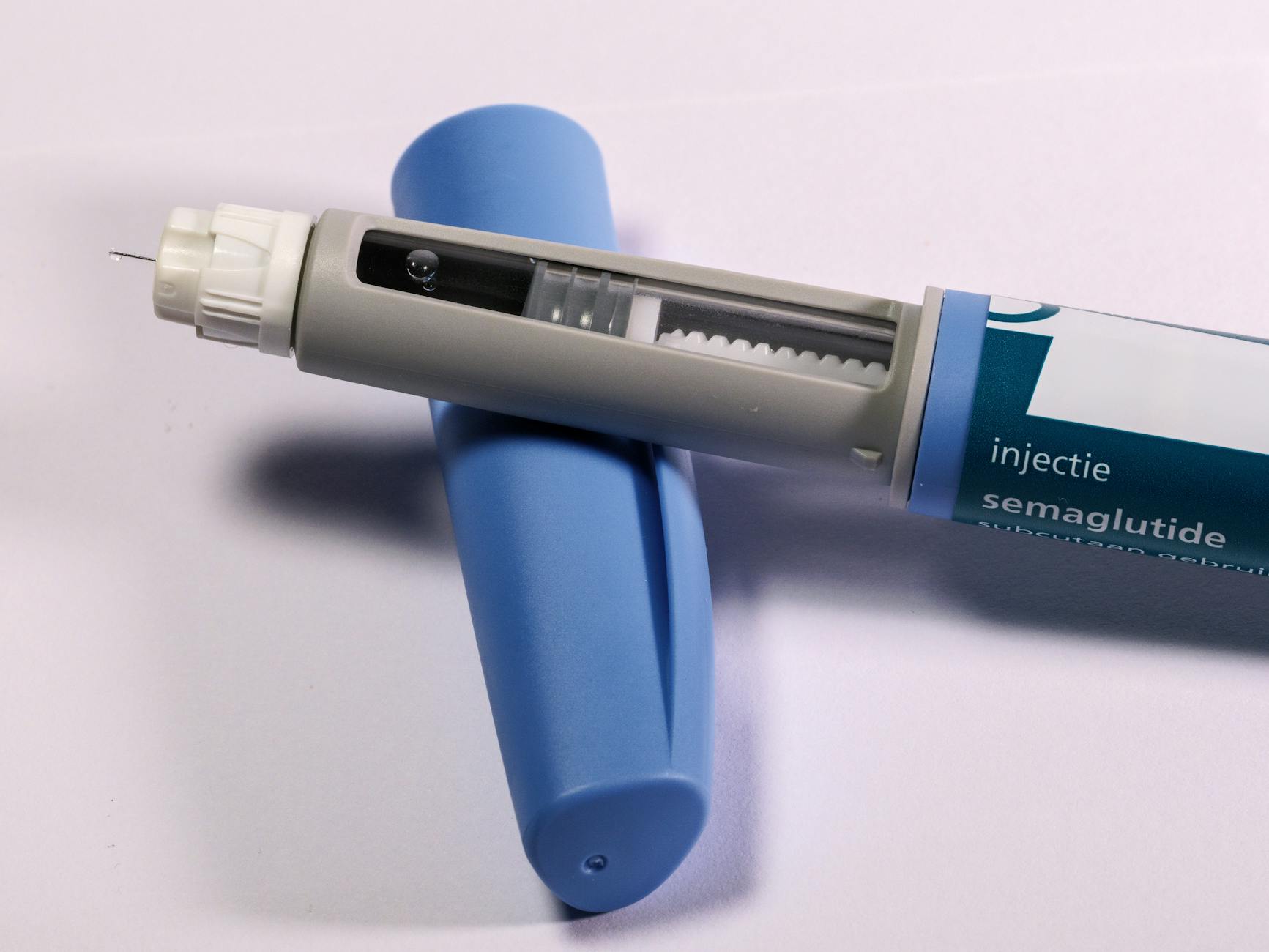
Wet age-related macular degeneration (AMD) is a condition that affects older adults, typically those aged 55 and above. It's a serious eye condition that can lead to significant vision loss if not managed properly. The core issue in wet AMD is the abnormal growth of blood vessels beneath the retina. These vessels are leaky, and the fluid they release can disrupt your central vision, making everyday tasks like reading or recognizing faces incredibly difficult. Vascular endothelial growth factor (VEGF) is the key player here; it signals for new blood vessels to grow. While VEGF is vital for healing in other parts of the body, in the retina, an overabundance of it triggers the development of these problematic, leaky vessels characteristic of wet AMD.
Understanding Wet Macular Degeneration
The retina is the light-sensitive tissue at the back of your eye responsible for sharp, central vision. In wet AMD, new blood vessels sprout from below the retina and grow into it. These abnormal vessels are fragile and tend to leak blood and fluid. This leakage can cause the macula, the central part of the retina responsible for sharp, detailed vision, to swell and scar, leading to rapid and severe vision loss.
Symptoms to Watch For
Recognizing the signs of wet AMD early is paramount. Often, the vision changes are sudden and can include:
- Distorted vision: Straight lines may appear wavy or crooked. For example, you might notice that the door frame in your home suddenly looks bent.
- Blind spots: A dark or blurry area may appear in the center of your vision.
- Reduced color perception: Colors might seem less bright or faded.
- Sudden decrease in vision quality: You might experience a rapid decline in your ability to see clearly.
Causes and Risk Factors
While the exact cause of wet AMD isn't fully understood, age is the primary risk factor. Other factors that may increase your risk include:
- Genetics: A family history of AMD increases your risk.
- Smoking: Smokers are at a significantly higher risk of developing AMD.
- Diet: Poor nutrition, particularly a lack of antioxidants, may play a role.
- Cardiovascular health: Conditions like high blood pressure and heart disease are linked to an increased risk.
The Evolution of Treatment: From Injections to Innovation
For decades, the primary treatment for wet AMD has been anti-VEGF injections. These medications are injected directly into the eye to block the action of VEGF, thereby slowing or stopping the growth of abnormal blood vessels and reducing leakage. While incredibly effective in preventing further vision loss and sometimes even improving vision, these injections require frequent visits to the eye doctor, typically every 4 to 12 weeks. This can be a demanding schedule for many patients.
Imagine an elderly gentleman, Mr. Sharma, who lives in a small town with limited public transport. He relies on his daughter to drive him to the city every month for his eye injections. Missing an appointment due to bad weather or illness could compromise his treatment. This is the reality for many who find the frequent injection schedule a significant burden.
Current Treatment: Anti-VEGF Injections
Since 2005, anti-VEGF injections have been the gold standard. Medications like ranibizumab (Lucentis) and aflibercept (Eylea) have revolutionized the management of wet AMD. However, the need for repeated injections is a significant challenge. These injections are administered by an ophthalmologist, usually in their clinic, and aim to stabilize or improve vision by reducing abnormal blood vessel growth and fluid leakage.
Breakthroughs and Future Treatments
The drive for more convenient and effective treatments has led to exciting research and development:
- Longer-Lasting Injections:
- Beovu (Brolucizumab): This is one of the newer anti-VEGF medications that shows promise for longer intervals between injections, potentially up to 12 weeks for some patients. This means fewer trips to the doctor and less disruption to daily life.
- Port Delivery System (PDS): This innovative approach involves surgically implanting a small reservoir in the eye that slowly releases anti-VEGF medication over time. This could significantly reduce the frequency of treatments, perhaps to only a few times a year.
- Gene Therapy: While still in clinical trials, gene therapy offers a potential one-time treatment. It aims to genetically modify cells in the eye to produce their own anti-VEGF proteins, effectively providing a continuous internal supply. This could be a game-changer, offering a more permanent solution.
- Eye Drops: Researchers have explored delivering anti-VEGF agents via eye drops, combined with special molecules that help the medication penetrate the eye effectively. Early studies in animal models have shown this method can be as effective as injections.
- Oral Medications: The development of oral medications that mimic the action of anti-VEGF drugs is another area of intense research. A study on an oral drug called X-82 showed potential, though some participants experienced side effects like diarrhea and nausea. Further research is needed to refine these treatments and address safety concerns.
Diagnosis of Wet Macular Degeneration
Early diagnosis is key to preserving vision. An ophthalmologist will typically perform several tests:
- Visual acuity test: Measures how well you see at various distances.
- Amsler grid: A simple grid used to detect visual disturbances like wavy lines or blind spots.
- Optical coherence tomography (OCT): A non-invasive imaging test that provides detailed cross-sectional images of the retina, allowing doctors to detect fluid and abnormal blood vessels.
- Fluorescein angiography: This test involves injecting a dye into your arm and then taking pictures of your eyes to identify leaking blood vessels.
When to Consult a Doctor
If you experience any sudden changes in your vision, such as distortion of straight lines or the appearance of blind spots, it's essential to see an eye doctor immediately. Do not wait for your next scheduled appointment. Early intervention can make a significant difference in managing wet AMD and preserving your sight.
Preventing Vision Loss
While you can't always prevent AMD, you can take steps to reduce your risk and slow its progression:
- Quit smoking: This is one of the most impactful steps you can take.
- Eat a healthy diet: Focus on fruits, vegetables, and fish rich in antioxidants and omega-3 fatty acids.
- Maintain a healthy weight: Obesity can increase the risk of AMD.
- Protect your eyes from the sun: Wear sunglasses that block UV rays.
- Regular eye exams: Especially if you are over 50 or have a family history of AMD.
Frequently Asked Questions (FAQ)
Q1: Can wet AMD be cured?
While there is no definitive cure, current treatments can effectively slow progression, prevent further vision loss, and in some cases, improve vision. The goal is to manage the condition and maintain the best possible sight.
Q2: How often do I need treatment for wet AMD?
Treatment frequency varies depending on the medication and individual response. Initially, it might be every 4-8 weeks. Newer treatments and systems like the PDS aim to extend these intervals significantly.
Q3: Will I go blind from wet AMD?
With timely diagnosis and consistent treatment, many people with wet AMD can preserve their vision and continue to lead active lives. While vision loss can occur, blindness is not an inevitable outcome, especially with the advancements in treatment.