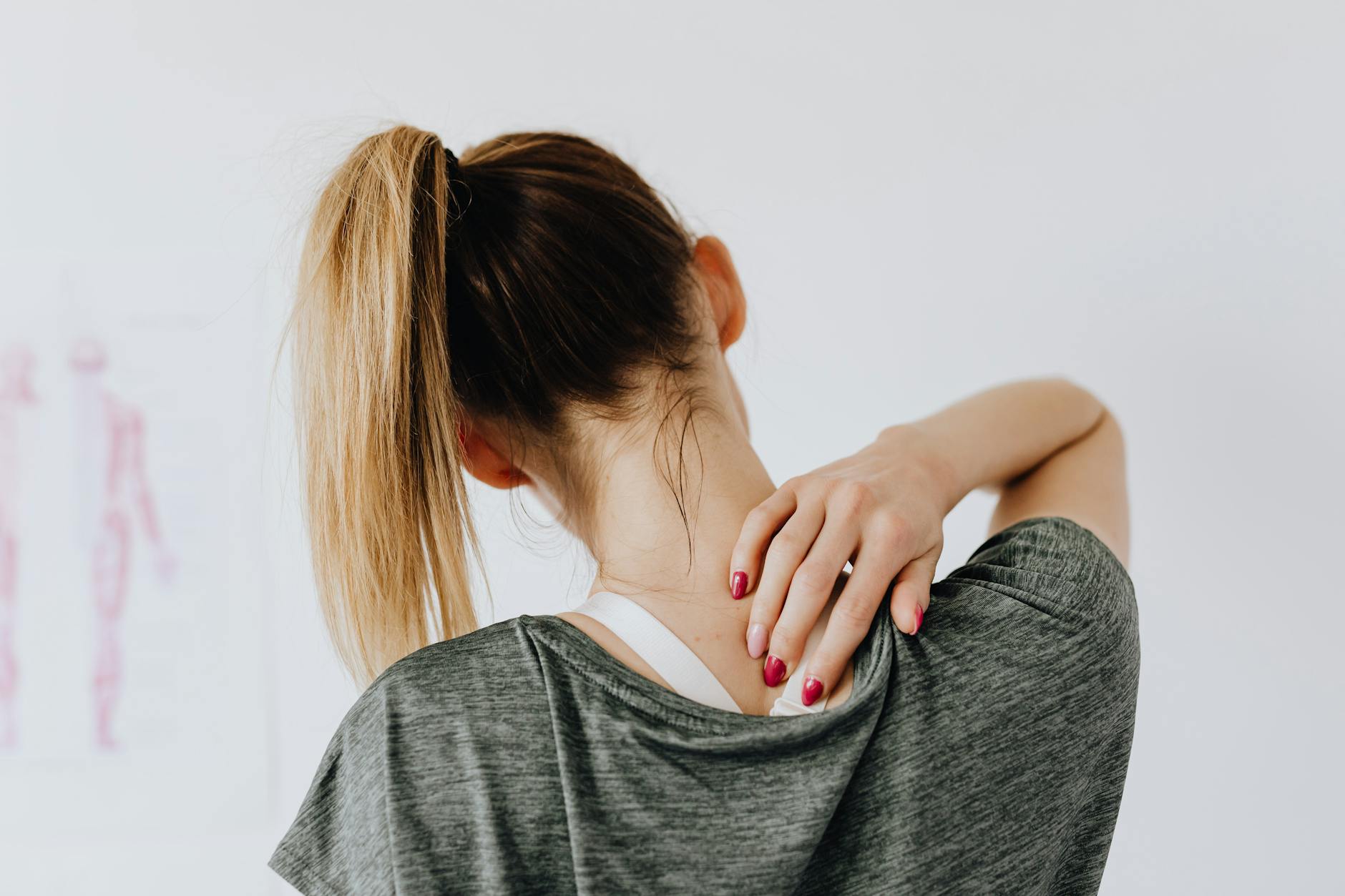
A persistent ache or a tender spot in your neck can be more than just a minor annoyance. Often, this sensation points to a muscle knot, also known as a trigger point. These knots are essentially tight, contracted muscle fibers that refuse to relax, even when you're at rest. While they can develop anywhere in the body, the neck is a particularly common site due to our modern lifestyles. Think about the hours spent hunched over phones or computers – these activities place significant strain on your neck muscles. Emotional stress and prolonged inactivity can also contribute to their formation.
The discomfort from a neck knot can range from a dull, persistent ache to sharp, stabbing pain. This pain might be localized to the knot itself, or it could radiate to nearby areas like your shoulders or arms. Beyond pain, you might experience tenderness, stiffness, and even headaches stemming from the tension. It's a frustrating cycle: the pain makes movement uncomfortable, which can, in turn, worsen the knot. Fortunately, relief is often within reach through simple, accessible self-care methods.
Understanding What Causes Neck Knots
Several factors can lead to the development of those unwelcome knots in your neck. Understanding these triggers is the first step toward prevention and management.
Common Culprits Behind Neck Knots:
- Poor Posture: Slouching while sitting, texting with your head down (often called "tech neck"), or maintaining an awkward sleeping position can put undue stress on your neck muscles.
- Stress and Anxiety: When you're stressed, your body often tenses up, and the muscles in your neck and shoulders are primary responders to this tension. This constant clenching can lead to knots.
- Overuse and Repetitive Motions: Engaging in activities that require repetitive neck movements, such as certain sports or jobs, can fatigue and strain the muscles.
- Inactivity: Ironically, not moving enough can also be a problem. Sedentary lifestyles mean muscles aren't getting the regular movement they need to stay flexible and healthy.
- Direct Injury: A sudden jolt, like a whiplash injury from an accident, can cause muscle damage and trigger knot formation.
Imagine this scenario: Priya, a graphic designer, spends 10 hours a day at her computer. Lately, she's been feeling a sharp pain on the right side of her neck that sometimes shoots down her shoulder. She's been stressed about a project deadline and finds herself clenching her jaw and tensing her shoulders without even realizing it. Her neck feels stiff, and she's started getting tension headaches by the end of each workday. She worries if it's something serious.
Recognizing the Symptoms of a Neck Knot
Being able to identify the signs of a muscle knot in your neck is key to seeking the right relief. While pain is the most obvious indicator, other symptoms often accompany it.
Key Symptoms to Watch For:
- Localized Pain: A distinct tender spot or a palpable lump within the muscle.
- Referred Pain: Pain that radiates from the knot to other areas, such as the shoulders, upper back, or even the head, causing headaches.
- Stiffness and Reduced Range of Motion: Difficulty turning your head or tilting it due to muscle tightness.
- Tenderness: The area around the knot feels sore to the touch.
- Muscle Spasms: Involuntary twitching or tightening of the affected muscle.
Effective Self-Care Strategies for Relief
The good news is that many neck knots can be effectively managed and relieved with simple, at-home strategies. These methods aim to relax the tight muscle fibers and reduce pain and inflammation.
1. Trigger Point Self-Massage
This technique involves applying direct pressure to the knot to help release the tight muscle fibers. It might feel intense initially, but it can be very effective.
- Locate the tender spot or knot in your neck.
- Using your fingers, a massage ball, or a foam roller, apply firm, steady pressure to the knot.
- Hold the pressure for 5 to 10 seconds. You should feel the tightness start to ease.
- Release the pressure gently.
- Repeat this process for 3 to 5 minutes. You can do this several times a day, especially when you feel the knot tightening up.
Important Note: Be firm but avoid pressing so hard that it causes unbearable pain. Listen to your body.
2. Heat or Cold Therapy
Applying temperature therapy can help reduce pain and inflammation.
- Heat Therapy: Use a heating pad, warm compress, or take a warm shower. Heat helps to relax tight muscles and improve blood flow to the area.
- Cold Therapy: Apply an ice pack or a cold compress. Cold helps to numb the pain and reduce inflammation, especially if the knot feels acutely sore or recently developed.
How to Apply: Wrap the heat or ice pack in a thin towel to protect your skin. Apply for 15 to 20 minutes at a time. You can repeat this several times a day. Experiment to see whether heat, cold, or alternating between the two provides the most relief for you.
3. Over-the-Counter Pain Relief
Nonsteroidal anti-inflammatory drugs (NSAIDs) can offer temporary relief from pain and inflammation.
- Common NSAIDs include ibuprofen (Advil, Motrin) and naproxen (Aleve).
- Always follow the dosage instructions on the package or as advised by your doctor or pharmacist.
- Remember that NSAIDs provide temporary relief and are most effective when used in conjunction with other self-care methods like massage and stretching.
4. Gentle Neck and Shoulder Exercises
Specific exercises can help release tension, improve posture, and prevent future knots. Perform these movements slowly and gently.
- Shoulder Shrugs: Inhale and slowly raise your shoulders up towards your ears. Hold for a moment, then exhale and let your shoulders drop back down. Repeat 10-15 times.
- Head-to-Hand Neck Release: Sit or stand tall. Gently tilt your head towards your left shoulder, as if trying to touch it with your ear. You can apply very gentle pressure with your left hand on the right side of your head for a mild stretch. Hold for 15-20 seconds. Return to center and repeat on the other side.
- Cat-Cow Pose (Yoga): Start on your hands and knees. As you inhale, drop your belly, arch your back, and look up (Cow pose). As you exhale, round your spine, tuck your chin to your chest, and pull your belly button towards your spine (Cat pose). Repeat 5-10 times.
Preventing Future Neck Knots
While treating existing knots is important, preventing them from forming in the first place is ideal. Making small adjustments to your daily habits can make a big difference.
Tips for Prevention:
- Maintain Good Posture: Be mindful of your posture when sitting, standing, and using electronic devices. Ensure your screen is at eye level.
- Take Regular Breaks: If you sit for long periods, get up, move around, and stretch every 30-60 minutes.
- Manage Stress: Incorporate stress-reducing activities like deep breathing, meditation, or yoga into your routine.
- Stay Hydrated: Proper hydration is essential for muscle function.
- Ergonomic Workspace: Ensure your desk setup supports good posture.
- Regular Exercise: Keep your muscles strong and flexible with consistent physical activity.
When to Consult a Doctor
While most neck knots are benign and respond well to self-care, it's important to know when to seek professional medical advice. Persistent or severe symptoms warrant a doctor's evaluation.
Seek Medical Attention If:
- The pain is severe and doesn't improve with self-care measures.
- You experience numbness, tingling, or weakness in your arm or hand.
- The pain is accompanied by fever, unexplained weight loss, or swollen lymph nodes.
- You have recently experienced a significant injury to your neck.
- The knot is rapidly growing or changes in appearance.
Your doctor can help diagnose the cause of your neck pain and recommend appropriate treatment, which might include physical therapy, prescription medication, or other interventions.
Frequently Asked Questions (FAQ)
Q1: Can a neck knot cause dizziness?
Yes, severe neck tension and knots can sometimes contribute to dizziness or a feeling of imbalance due to the impact on muscles and nerves involved in posture and balance.
Q2: How long does it take for a neck knot to go away?
With consistent self-care, many neck knots can start to improve within a few days to a week. However, stubborn knots or those related to chronic issues might take longer to resolve.
Q3: Is it safe to pop a neck knot?
It's generally not recommended to try and "pop" a neck knot like you might a joint. This can potentially injure the muscle or surrounding tissues. Focus on gentle release techniques.
Q4: Can I sleep with a neck knot?
Sleeping in an awkward position can worsen a neck knot. Try to sleep on your back or side with a supportive pillow that keeps your neck in a neutral alignment. Avoid sleeping on your stomach.