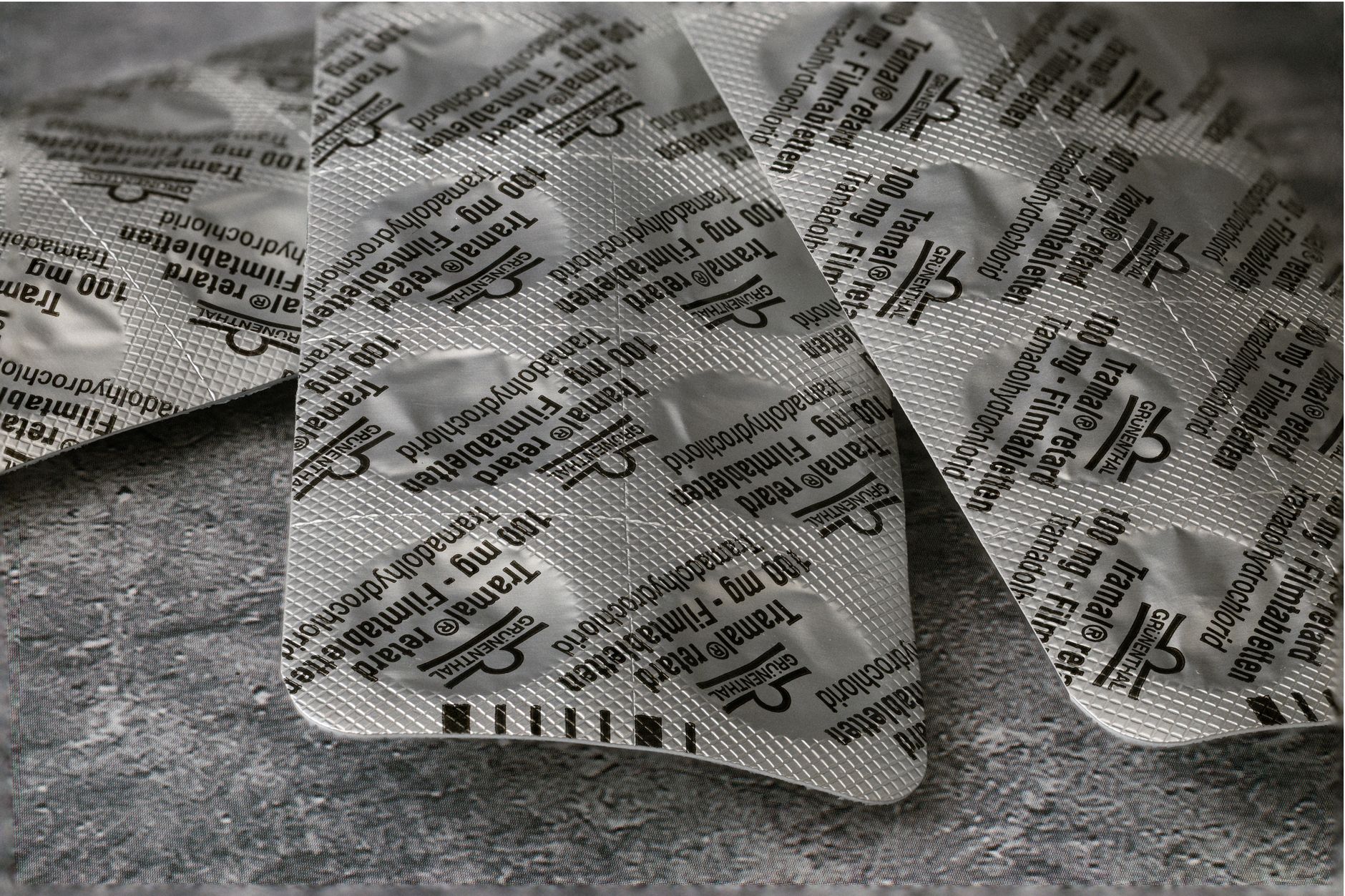
Understanding Opioid Safety in India
Opioids are powerful pain medications that can be incredibly helpful when used correctly for medical purposes. However, they also carry significant risks, including addiction and overdose. In India, like in many parts of the world, understanding opioid safety is crucial for patients, caregivers, and healthcare providers. This guide aims to provide clear, practical information on how to use opioid medications safely, prevent misuse, and know when to seek help.
What are Opioids?
Opioids are a class of drugs that include the illegal drug heroin, as well as synthetic opioids such as fentanyl and pain relievers available legally by prescription, such as oxycodone, hydrocodone, codeine, and morphine. These medications work by binding to opioid receptors in the brain and body, altering the perception of pain.
The Risks Associated with Opioids
While effective for severe pain management, opioids can lead to serious problems:
- Addiction (Opioid Use Disorder): Long-term use can lead to physical dependence and addiction, where a person feels compelled to use the drug despite harmful consequences.
- Overdose: Taking too much of an opioid, or mixing it with other substances, can slow breathing to a dangerous level, leading to overdose and potentially death.
- Side Effects: Common side effects include drowsiness, nausea, constipation, confusion, and respiratory depression.
Safe Use of Prescription Opioids
If your doctor prescribes opioid medication, it is vital to use it exactly as directed. This is the cornerstone of opioid safety.
- Follow Prescribed Dosage: Never take more than the prescribed dose or take it more frequently than instructed.
- Consult Your Doctor: If the medication is not providing adequate pain relief, do not increase the dose yourself. Talk to your doctor. You might be developing a tolerance, and they can adjust your treatment plan safely.
- Do Not Share: Never share your prescription opioids with anyone else, even if they have a similar condition or a prescription of their own.
- Avoid Mixing: Be extremely cautious about mixing opioids with other substances, including alcohol, benzodiazepines (like alprazolam or diazepam), and even some over-the-counter medications or herbal supplements. Always inform your doctor about all other medications and substances you are taking.
Preventing Medication Interactions
Opioid interactions can be dangerous. Some common culprits include:
- Central Nervous System Depressants: Alcohol and benzodiazepines can significantly increase the risk of sedation, respiratory depression, and overdose when taken with opioids.
- Certain Antibiotics and Antifungals: Some of these medications can affect how your body processes opioids, potentially increasing their levels and risks.
- Other Opioids or Sedatives: Combining different opioids or sedating medications can be extremely hazardous.
Always consult your doctor or pharmacist if you are unsure about potential interactions with any medication, supplement, or substance you are using.
Safe Storage and Disposal
Proper storage and disposal are critical to prevent accidental ingestion or misuse by others, especially children or individuals with a history of substance misuse.
- Secure Storage: Store opioid medications in a safe, locked place, out of reach and sight of children and others who might misuse them.
- Proper Disposal: Do not throw unused medications in the regular trash. Instead, use safe disposal methods:
- Take-Back Programs: Many pharmacies, hospitals, or local law enforcement agencies offer drug take-back programs.
- FDA Flush List: If no take-back option is available, some medications (check the FDA's recommended flush list) can be flushed down the toilet.
- Consult Pharmacist: Ask your pharmacist for the best disposal method in your area.
Understanding Naloxone (Narcan)
Naloxone is a life-saving medication that can reverse an opioid overdose. It works by blocking the effects of opioids on the brain and restoring normal breathing.
- Availability: Naloxone nasal spray is now available over-the-counter in many places.
- Importance: If you or someone you know uses opioids, or if there's a risk of accidental opioid exposure (e.g., from illicit drugs that may be laced with fentanyl), keeping naloxone readily available and knowing how to use it can be life-saving.
- Training: Learn how to administer naloxone. Many community programs offer free training and naloxone kits.
Harm Reduction Principles
Harm reduction is an approach that aims to reduce the negative consequences associated with drug use. For opioids, this means taking steps to minimize risks, even if complete abstinence isn't immediately possible. This includes using medications safely, storing them securely, and having naloxone available.
When to Consult a Doctor
It is essential to consult a healthcare professional in the following situations:
- When you are prescribed opioid medication.
- If you experience side effects that are concerning.
- If your pain is not adequately controlled by the prescribed dose.
- Before combining opioids with any other medication or substance.
- If you are concerned about developing a dependence or addiction.
- If you need to dispose of unused opioid medication.
Seeking Help for Opioid Use Disorder
If you or someone you know is struggling with opioid use disorder, help is available. In India, several resources can provide support:
- De-addiction Centers: Various government and private de-addiction centers offer treatment.
- Counseling Services: Mental health professionals can provide therapy and support.
- Helplines: National and regional helplines offer confidential advice and referrals. For instance, the Substance Abuse and Mental Health Services Administration (SAMHSA) in the US offers a 24/7 helpline at 800-662-HELP (4357), and similar resources may be available through Indian health ministries or NGOs.
Remember: Taking proactive steps to understand and practice opioid safety can significantly reduce the risks associated with these powerful medications. Always prioritize informed decisions and consult healthcare professionals for guidance.
Additional Medical Guidance
This section adds practical context and preventive advice to help readers make informed healthcare decisions. It is important to verify symptoms early, consult qualified doctors, and avoid self-medication for persistent health issues.
Maintaining healthy routines, following prescribed treatment plans, and attending regular checkups can improve outcomes. If symptoms worsen or red-flag signs appear, immediate medical evaluation is recommended.
Quick Checklist
Track symptoms and duration.
Follow diagnosis and treatment from a licensed practitioner.
Review medication side effects with your doctor.
Seek urgent care for severe warning signs.