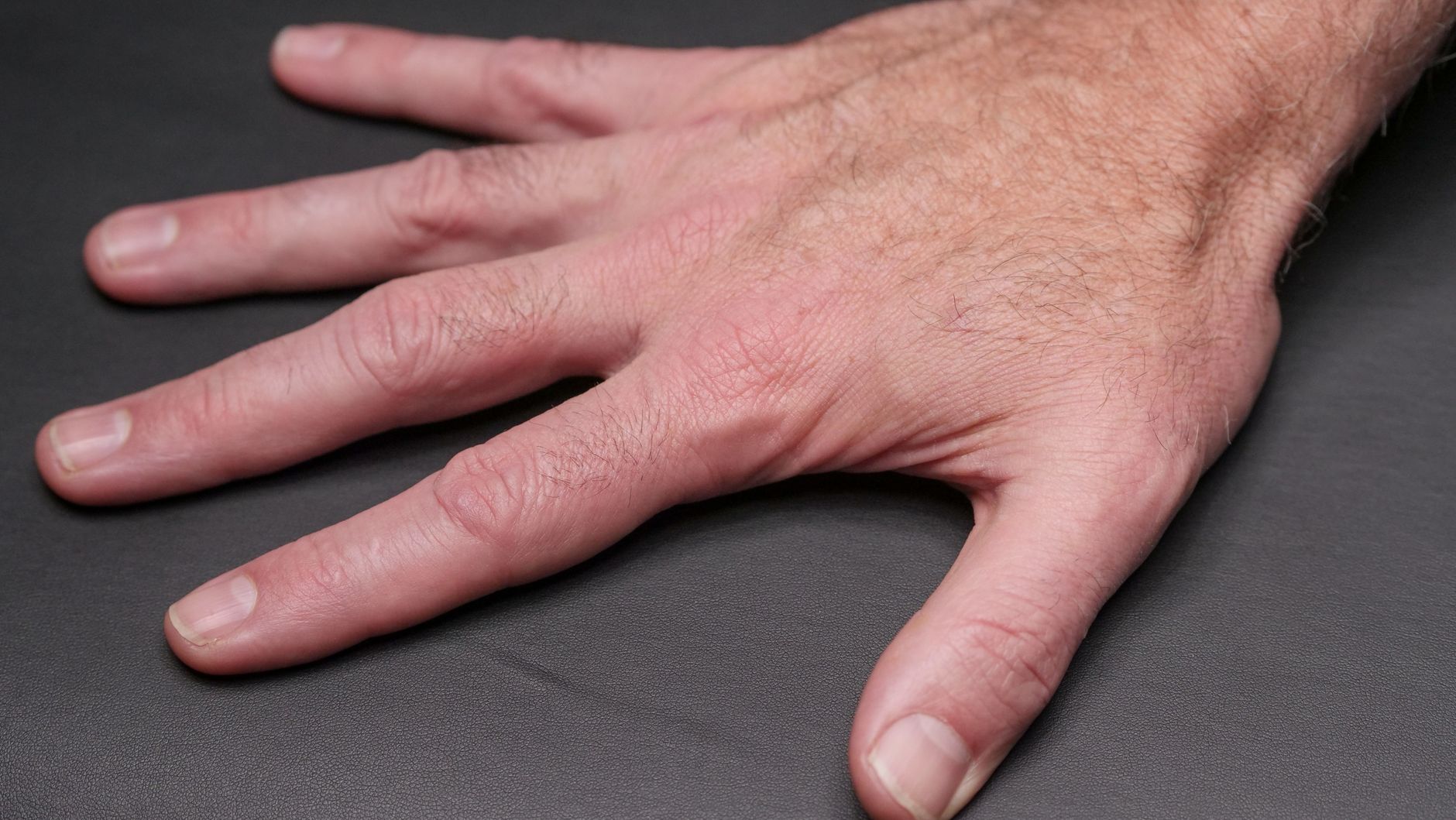
What is Ostraceous Psoriasis?
Psoriasis is a chronic autoimmune condition that affects the skin, causing dry, inflamed, and raised lesions. Plaque psoriasis is the most common form, seen in 80-90% of cases. Ostraceous psoriasis (OP) is a rare subtype of plaque psoriasis. It is characterized by extremely thick, hard, oval-shaped or oyster-like skin lesions. These lesions can be quite severe and may appear on various parts of the body.
Like other forms of psoriasis, OP is a lifelong condition that requires ongoing management and treatment to control flare-ups and improve the quality of life. While it is a rare condition, understanding its specific characteristics is crucial for effective management.
Ostraceous Psoriasis vs. Rupioid Psoriasis
Both ostraceous psoriasis and rupioid psoriasis are uncommon subtypes of plaque psoriasis that result in raised skin lesions. The primary distinction lies in the shape of these lesions. Ostraceous psoriasis typically presents with oval-shaped plaques, whereas rupioid psoriasis is characterized by cone-shaped plaques.
Symptoms of Ostraceous Psoriasis
General symptoms of plaque psoriasis include:
- Thick, raised skin lesions (plaques) of varying shapes and sizes.
- Silvery or white scales on the plaques.
- Dryness and itching in the affected areas.
Ostraceous psoriasis specifically features:
- Extremely thick and numerous plaques that can grow larger.
- Lesions can appear on multiple body parts, including the scalp, elbows, knees, trunk, and limbs.
Psoriatic Arthritis (PsA) and Ostraceous Psoriasis
It is common for individuals with ostraceous psoriasis to also develop psoriatic arthritis (PsA). PsA is a type of arthritis often associated with severe forms of psoriasis. Symptoms of PsA can include:
- Swelling and tenderness in fingers, toes, and other small joints.
- Joint stiffness, particularly in the morning.
- Pain or swelling near the Achilles tendon.
What Does Ostraceous Psoriasis Look Like?
Ostraceous psoriasis lesions are typically raised, oval-shaped, and feel thick and hard to the touch. They may appear white, pink, or yellow. The severity and appearance can vary from person to person.
Causes and Triggers of Ostraceous Psoriasis
The exact cause of ostraceous psoriasis, like other autoimmune conditions, is not fully understood. However, it is believed to be a result of an overactive immune system that accelerates skin cell turnover. This leads to the buildup of skin cells on the surface, forming plaques and scales, and causing chronic inflammation.
Psoriasis is thought to be influenced by a combination of genetic and environmental factors. Potential triggers for psoriasis flare-ups include:
- Infections: Particularly HIV and streptococcal infections.
- Skin Injuries: Such as sunburns, cuts, or tattoos.
- Certain Medications: Including those used to treat malaria or heart disease.
- Stress: Emotional or physical stress can exacerbate symptoms.
- Environmental Factors: Changes in weather or exposure to irritants.
Diagnosis of Ostraceous Psoriasis
Diagnosis of ostraceous psoriasis typically begins with a physical examination. A doctor will assess your skin lesions and inquire about your symptoms, their duration, and any recent worsening. A skin biopsy, where a small sample of skin is taken for laboratory analysis, may be performed to confirm the diagnosis.
Your doctor will also review your medical history, including any recent illnesses or stressors. A family medical history is also important, as psoriasis can have a genetic component.
Treatment and Management of Ostraceous Psoriasis
Ostraceous psoriasis is a chronic condition, meaning it requires long-term management. Treatment aims to control symptoms, reduce inflammation, and improve skin appearance. Options include:
- Topical Treatments: Moisturizers are essential for dry, itchy skin. Fragrance-free moisturizers applied to damp skin within 3 minutes of washing or bathing can be very effective. Other topical medications like corticosteroids, vitamin D analogues, and retinoids may be prescribed.
- Phototherapy: Controlled exposure to ultraviolet (UV) light can help slow skin cell growth.
- Systemic Medications: For severe cases, oral or injected medications that affect the immune system may be necessary. These include biologics, methotrexate, or cyclosporine.
- Lifestyle Modifications: Managing stress, maintaining a healthy diet, and avoiding known triggers can play a significant role in managing the condition.
When to Consult a Doctor
If you suspect you have ostraceous psoriasis or any other form of psoriasis, it is important to consult a doctor or dermatologist. Early diagnosis and treatment can help manage symptoms effectively and prevent complications, such as psoriatic arthritis. Seek medical attention if you experience:
- New or worsening skin lesions that are thick, hard, and oval-shaped.
- Severe itching or pain associated with skin lesions.
- Joint pain, stiffness, or swelling, especially if you have known psoriasis.
Prevention and Lifestyle Tips
While psoriasis cannot be cured, certain lifestyle adjustments can help manage the condition and prevent flare-ups:
- Moisturize Regularly: Keep your skin hydrated, especially after bathing.
- Avoid Triggers: Identify and avoid personal triggers like stress, certain foods, or environmental factors.
- Healthy Diet: A balanced diet rich in fruits, vegetables, and whole grains can support overall health and potentially reduce inflammation.
- Stress Management: Practice relaxation techniques like yoga, meditation, or deep breathing exercises.
- Sun Protection: Protect your skin from sunburns, which can trigger psoriasis.
- Gentle Skincare: Use mild soaps and avoid harsh scrubbing.
Frequently Asked Questions (FAQ)
Is ostraceous psoriasis contagious?
No, ostraceous psoriasis is an autoimmune condition and is not contagious. It cannot be spread from person to person.
Can ostraceous psoriasis be cured?
Currently, there is no known cure for ostraceous psoriasis. However, it can be effectively managed with appropriate medical treatment and lifestyle changes.
What is the main difference between ostraceous and rupioid psoriasis?
The main difference lies in the shape of the skin lesions. Ostraceous psoriasis has oval-shaped plaques, while rupioid psoriasis has cone-shaped plaques.
Can ostraceous psoriasis affect the joints?
Yes, ostraceous psoriasis can sometimes occur alongside psoriatic arthritis (PsA), which affects the joints, causing pain, stiffness, and swelling.
Additional Medical Guidance
This section adds practical context and preventive advice to help readers make informed healthcare decisions. It is important to verify symptoms early, consult qualified doctors, and avoid self-medication for persistent health issues.
Maintaining healthy routines, following prescribed treatment plans, and attending regular checkups can improve outcomes. If symptoms worsen or red-flag signs appear, immediate medical evaluation is recommended.
Quick Checklist
Track symptoms and duration.
Follow diagnosis and treatment from a licensed practitioner.
Review medication side effects with your doctor.
Seek urgent care for severe warning signs.