Understanding Peritoneal Dialysis and its Impact on Blood Sugar
Kidney disease is a serious complication that can affect individuals with diabetes. In India, where diabetes is prevalent, understanding the nuances of kidney treatment is crucial. Chronic kidney disease (CKD) can progress to renal failure, necessitating dialysis. Peritoneal dialysis (PD) is a home-based dialysis method that offers flexibility, but it comes with a unique challenge for people with diabetes: the potential for hyperglycemia, or high blood sugar levels.
This article delves into the relationship between peritoneal dialysis and hyperglycemia, providing practical insights for Indian readers. We will explore what PD is, why it can lead to high blood sugar, how to manage it, and other potential complications. Our aim is to empower individuals undergoing PD to maintain optimal health and well-being.
What is Peritoneal Dialysis (PD)?
Peritoneal dialysis is a life-sustaining treatment for kidney failure that can be performed at home. Unlike hemodialysis, which requires visits to a clinic, PD utilizes the natural filtering membrane within your abdomen – the peritoneum – to clean your blood. A small, flexible tube called a catheter is surgically placed in your abdomen. Once healed, this catheter allows a sterile dialysis solution to flow into your abdominal cavity. This solution stays in for a prescribed period, absorbing waste products and excess fluid from your blood. Afterward, the used fluid is drained out and discarded. This process can be done manually several times a day or overnight using a machine called a cycler.
Why Can Peritoneal Dialysis Lead to Hyperglycemia?
The dialysis solution used in PD contains glucose, a type of sugar. This glucose serves a vital purpose: it helps draw excess fluid and waste products from your blood into the abdominal cavity through osmosis. The concentration of glucose in the dialysis solution is typically higher than in your bloodstream. As a result, your body absorbs some of this glucose during the dialysis process. For individuals with diabetes, who already struggle with managing blood sugar levels, this additional glucose intake can lead to hyperglycemia.
A blood sugar level above 140 mg/dL is generally considered indicative of hyperglycemia. The amount of glucose absorbed can vary depending on factors such as:
- Your body's metabolism rate for sugar.
- The concentration of glucose in the specific dialysis solution used.
- The duration of the dialysis exchange.
Who is at Risk?
Nearly 1 in 3 people with diabetes are at risk of developing chronic kidney disease. When this progresses to kidney failure, dialysis becomes necessary. People with diabetes undergoing PD are at a higher risk of experiencing hyperglycemia compared to those without diabetes. This is because their bodies may not be able to effectively regulate the increased glucose load from the dialysis solution.
Symptoms of Hyperglycemia
Recognizing the signs of high blood sugar is crucial for timely intervention. Common symptoms of hyperglycemia include:
- Increased thirst
- Frequent urination
- Fatigue and weakness
- Blurred vision
- Headaches
- Nausea and vomiting
- Abdominal pain
- Fruity breath odor (in severe cases)
- Confusion or difficulty concentrating
If you experience any of these symptoms during or after your PD treatment, it is essential to seek medical advice promptly.
Diagnosis and Monitoring
Diagnosing and monitoring hyperglycemia during PD involves regular blood glucose testing. Your healthcare provider will advise on the frequency and method of testing. This may include:
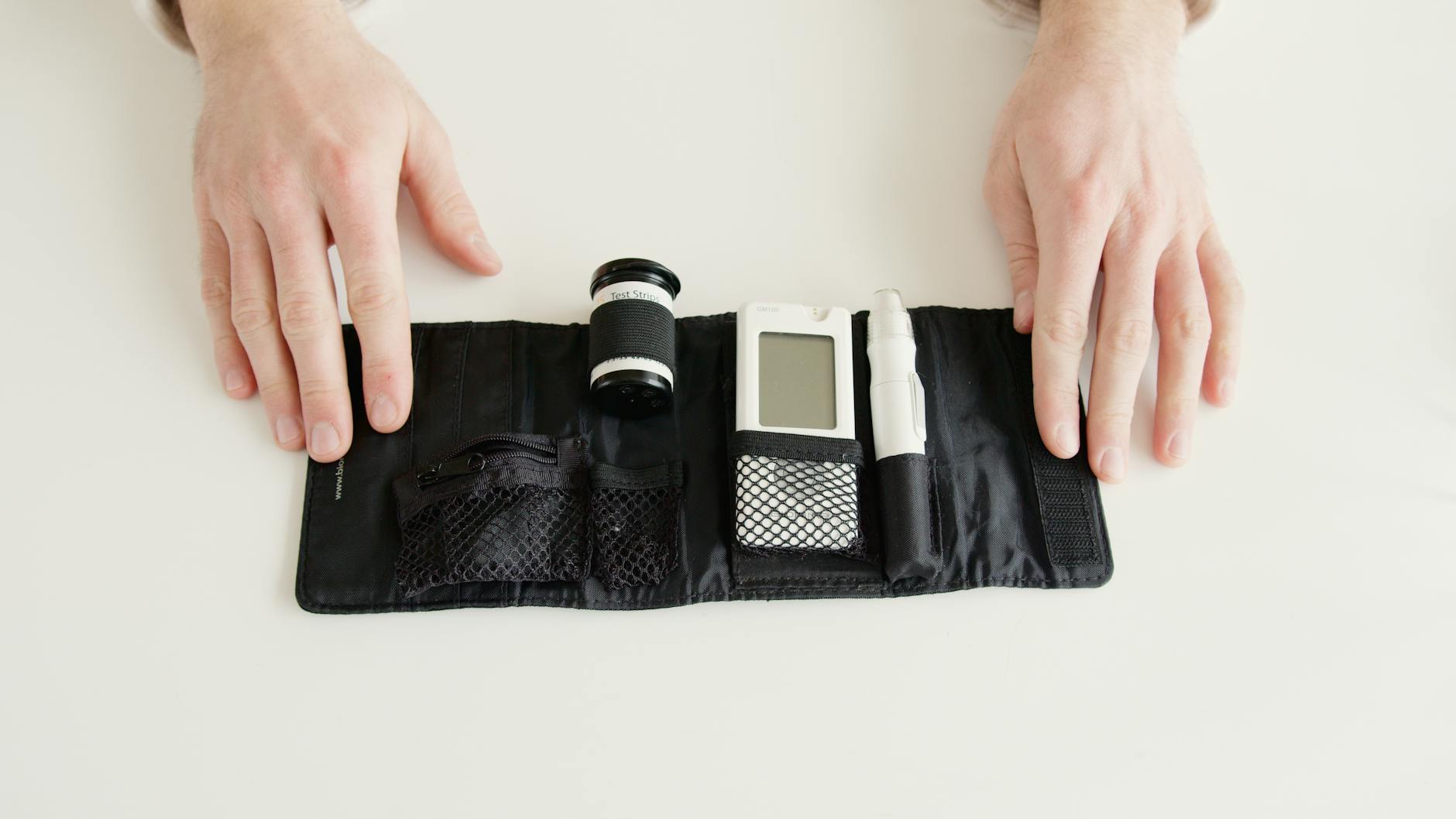
- Self-monitoring of blood glucose (SMBG): Using a glucometer at home to check your blood sugar levels before, during, and after dialysis exchanges.
- Continuous Glucose Monitoring (CGM): In some cases, a CGM device may be used to provide real-time data on your glucose levels.
- Laboratory tests: Your doctor may order HbA1c tests to assess your average blood sugar control over the past 2-3 months.
Close collaboration with your nephrologist and diabetologist is key to effective management.
Treatment and Management of Hyperglycemia During PD
Managing hyperglycemia during PD requires a multi-faceted approach, tailored to your individual needs. The primary goal is to keep your blood sugar levels within a safe and healthy range.
1. Insulin Therapy
The most common and effective way to manage dialysis-associated hyperglycemia is through insulin administration. Your doctor may adjust your existing insulin regimen or prescribe additional insulin specifically for use during dialysis. This can be given:
- Before or during dialysis: To counteract the glucose absorbed from the dialysis solution.
- As part of the dialysis fluid: In some cases, insulin can be added directly to the dialysis solution.
It is crucial to follow your doctor's instructions precisely regarding insulin dosage and timing.
2. Adjusting Dialysis Parameters
Your healthcare team may consider adjusting certain aspects of your PD therapy, such as:
- Glucose concentration in the dialysate: Using solutions with lower glucose concentrations, if appropriate for fluid removal needs.
- Duration of dwell time: Modifying how long the fluid stays in your abdomen.
These adjustments are made based on your individual response and medical condition.
3. Dietary Modifications
A well-balanced diet is fundamental for managing both diabetes and kidney disease. Working with a registered dietitian is highly recommended. Key dietary considerations include:
- Carbohydrate control: Focusing on complex carbohydrates and limiting simple sugars.
- Portion control: Eating appropriate amounts to manage calorie and nutrient intake.
- Fluid and sodium restriction: As advised by your doctor.
- Adequate protein intake: To support overall health.
It is important to discuss any dietary changes with your healthcare team to ensure they align with your PD and diabetes management plan.
4. Regular Physical Activity
When medically appropriate and approved by your doctor, regular physical activity can help improve insulin sensitivity and blood sugar control. Gentle exercises like walking or specific exercises recommended by a physiotherapist can be beneficial.
Other Potential Complications of PD
While hyperglycemia is a significant concern, it's important to be aware of other potential complications associated with PD:
- Catheter-related infections: These are the most common complication. Maintaining strict hygiene during exchanges is paramount. People with diabetes may have a higher risk of infection and shorter catheter lifespan.
- Peritonitis: Inflammation of the peritoneum, usually caused by infection.
- Hernias: Increased abdominal pressure can lead to hernias.
- Electrolyte imbalances: Requiring careful monitoring and management.
Promptly reporting any signs of infection, pain, or discomfort to your healthcare provider is essential.
When to Consult a Doctor
It is vital to maintain open communication with your healthcare team. Consult your doctor or nephrology nurse immediately if you experience any of the following:
- Symptoms of hyperglycemia that are not improving with treatment.
- Signs of infection, such as fever, chills, redness, swelling, or pain at the catheter site, or cloudy dialysis fluid.
- Severe abdominal pain or discomfort.
- Unexplained weight gain or swelling.
- Any other new or concerning symptoms.
Prevention and Lifestyle Tips
Preventing and managing hyperglycemia during PD involves a holistic approach:
- Adhere strictly to your treatment plan: Follow your prescribed dialysis schedule and medication regimen.
- Monitor blood sugar regularly: As advised by your doctor.
- Maintain a healthy diet: Work with a dietitian to create a personalized meal plan.
- Stay hydrated: Drink adequate fluids as recommended.
- Engage in safe physical activity: As approved by your doctor.
- Practice good hygiene: To prevent infections.
- Attend all scheduled medical appointments: For regular check-ups and monitoring.
- Educate yourself and your family: Understanding your condition and treatment is empowering.
Living with both diabetes and kidney disease requires diligence and a strong partnership with your healthcare providers. By understanding the challenges of peritoneal dialysis and hyperglycemia, and by actively participating in your management plan, you can lead a healthier and more fulfilling life.