Understanding Physical Therapy for Amyotrophic Lateral Sclerosis (ALS)
Amyotrophic Lateral Sclerosis (ALS), often referred to as Lou Gehrig's disease, is a progressive neurological condition that affects the brain and spinal cord. This debilitating disease gradually damages nerve cells, leading to muscle weakness, loss of motor control, and significant challenges with everyday activities. While there is currently no cure for ALS, and its progression cannot be halted, physical therapy plays a crucial role in managing symptoms, maintaining functional independence, and improving the overall quality of life for individuals affected by this condition.
Physical therapy for ALS is not about reversing the disease or curing it. Instead, it focuses on helping individuals adapt to the changes brought about by the condition, maximizing their remaining abilities, and ensuring their safety and comfort. The primary goal is to enable people with ALS to perform daily tasks independently for as long as possible, thereby preserving their dignity and autonomy.
The Role of Physical Therapy in ALS Management
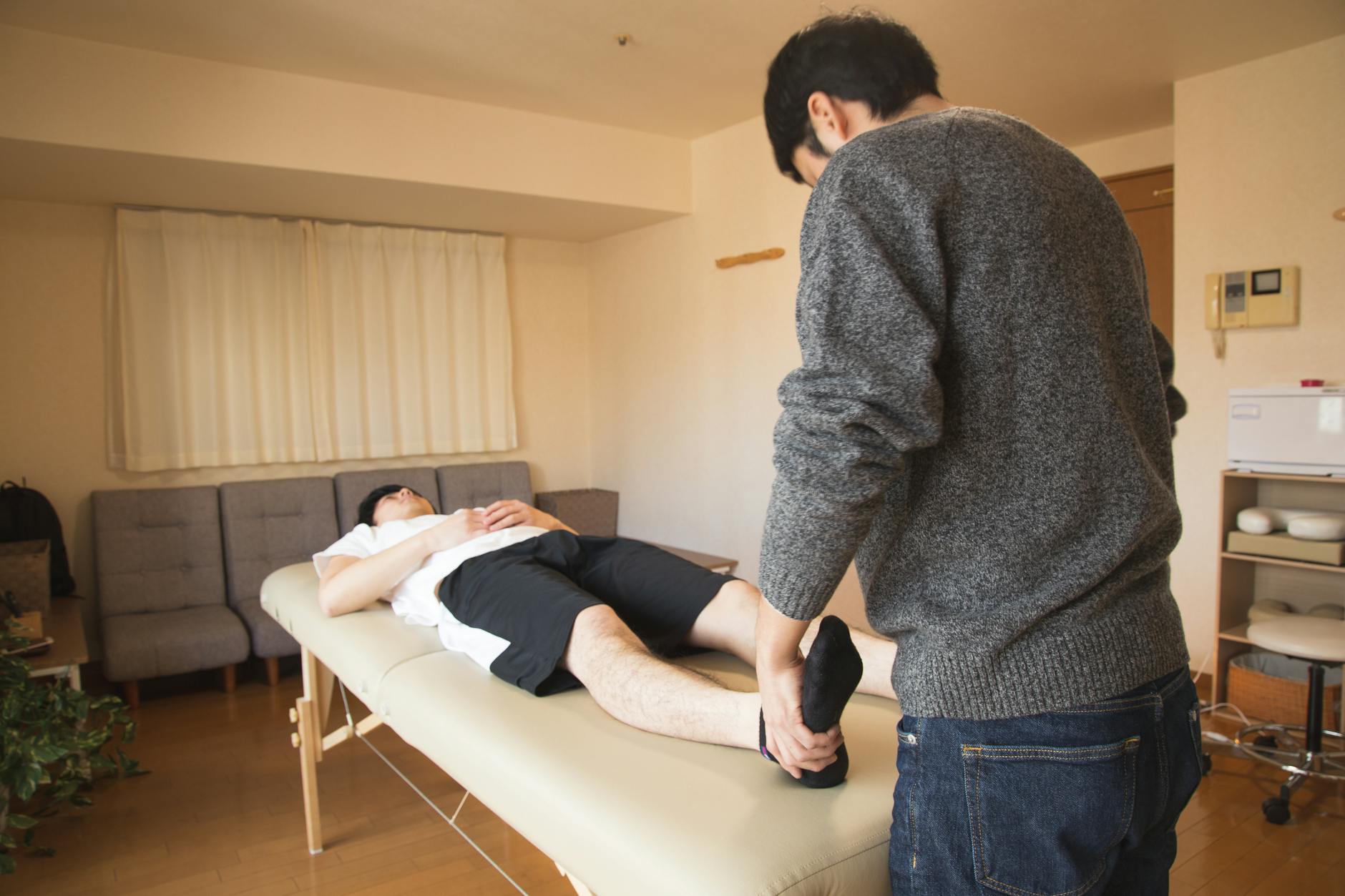
Physical therapists work closely with individuals diagnosed with ALS to develop personalized treatment plans. These plans are tailored to the specific stage of the disease and the unique needs of each patient. The approach is holistic, addressing not only physical limitations but also the emotional and practical challenges that arise.
Key Components of Physical Therapy for ALS:
- Balance and Fall Prevention: As ALS progresses, balance can become severely impaired, increasing the risk of falls. Physical therapists teach techniques to improve balance and stability, and advise on the use of assistive devices to prevent falls and ensure safety.
- Exercise and Flexibility: Gentle stretching and strengthening exercises are integral to an ALS physical therapy program. These exercises aim to maintain muscle flexibility, prevent contractures (stiffening of muscles), and preserve strength for as long as possible, which can help in performing daily activities.
- Mobility Aids and Assistive Devices: Physical therapists are experts in assessing the need for and recommending appropriate mobility aids. This can include canes, walkers, wheelchairs, and other adaptive equipment that can help individuals maintain mobility and independence.
- Bracing and Support: In some cases, braces may be prescribed to help maintain comfortable body positioning and provide support to weakened limbs. Physical therapists can assist in evaluating the need for and fitting of such braces.
- Home Environment Assessment: To enhance safety and accessibility, physical therapists may conduct home evaluations. They can identify potential fall hazards and recommend modifications to the living space, such as installing grab bars or ramps, and suggest adaptive equipment for the home.
- Caregiver Education and Support: Caregivers play a vital role in the lives of individuals with ALS. Physical therapists provide essential training to caregivers on how to safely assist with transfers, bathing, dressing, and other daily needs, reducing the risk of injury to both the patient and the caregiver.
When is Physical Therapy Needed for ALS?
There isn't a fixed timeline for physical therapy in ALS. Since the disease is progressive, individuals may benefit from physical therapy at various stages. Often, therapy begins shortly after diagnosis to establish a baseline and address early symptoms. As the condition evolves, individuals may require further physical therapy sessions to adapt to new challenges and learn new strategies for managing their changing abilities.
Beyond Physical Therapy: A Multidisciplinary Approach to ALS Care
While physical therapy is a cornerstone of ALS management, it is most effective when integrated into a comprehensive, multidisciplinary care plan. Other essential components of ALS care include:
Medical Treatments:
- ALS Medications: Certain approved medications, such as Riluzole, Edaravone, Relyvrio, and Qalsody, may help slow the progression of motor neuron damage in some individuals.
- Symptom Management Medications: Medications can also be prescribed to manage specific symptoms like muscle cramps, spasticity, and pain, thereby improving comfort and quality of life.
Therapeutic Interventions:
- Speech Therapy: This therapy assists individuals in maintaining clear communication, whether through voice modulation techniques or the use of assistive communication devices.
- Occupational Therapy: Occupational therapists focus on helping individuals retain their ability to perform daily living activities, such as grooming, eating, and dressing, for as long as possible, often by recommending adaptive tools and strategies.
- Nutrition Support: Dietitians and nutritionists play a key role in ensuring adequate nutrition, which is vital for maintaining strength and energy. As swallowing difficulties arise, they may recommend modified diets or the use of feeding tubes.
Respiratory Support:
- Supplemental Oxygen: As ALS progresses, some individuals may experience shortness of breath. Supplemental oxygen may be prescribed to alleviate respiratory distress.
Living with ALS: Hope and Support
Living with ALS presents immense challenges, but with the right support systems and a proactive approach to care, individuals can maintain a good quality of life. Physical therapy is a vital part of this support, empowering individuals to navigate the complexities of the disease with greater confidence and independence. It's essential for individuals with ALS and their families to work closely with their healthcare team, including neurologists, physical therapists, and other specialists, to create a comprehensive care plan that addresses all aspects of their well-being.
Disclaimer: This information is intended for general knowledge and informational purposes only, and does not constitute medical advice. It is essential to consult with a qualified healthcare professional for any health concerns or before making any decisions related to your health or treatment.