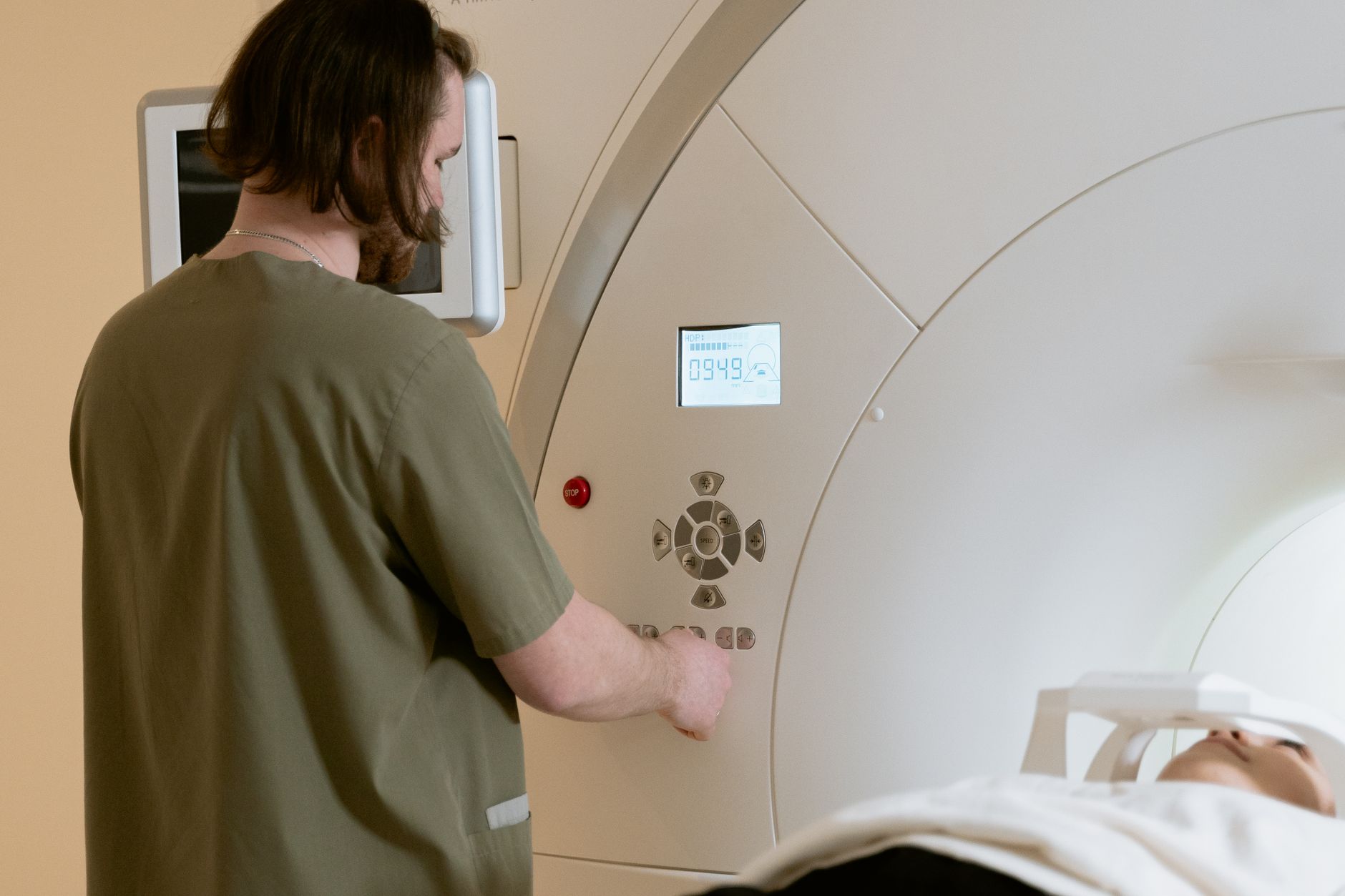
What is a Pinched Nerve in the Groin? The groin area, that sensitive region between your lower abdomen and upper thighs, can sometimes experience discomfort due to a pinched nerve. This happens when surrounding tissues – be it muscles, bones, or tendons – exert pressure on a nerve. Imagine a busy highway where a traffic jam (the compressed tissue) is blocking the flow of information (nerve signals). This blockage can disrupt the nerve's ability to send crucial sensory information to specific parts of your body. The result? You might feel pain, a tingling sensation, or numbness. This discomfort might stay localized to your groin, or it could radiate down your leg, creating a more widespread issue. A temporarily pinched nerve often resolves without lasting problems. However, if a nerve remains compressed for an extended period, it risks permanent damage, leading to chronic pain that can significantly impact your daily life. Understanding the causes and symptoms is the first step towards finding relief and preventing further complications. Common Causes of Groin Nerve Pinching Several factors can contribute to a nerve getting squeezed in the groin area: Groin Injuries: Direct trauma to the groin, such as a fracture in the pelvic bone or upper leg, or even a strain in a muscle or ligament, can lead to swelling and inflammation. This inflammation can then press on nearby nerves. Tight or Restrictive Clothing: Believe it or not, your wardrobe choices can play a role! Wearing very tight clothing, like skinny jeans, corsets, or constricting belts, can put pressure on the groin area. When you move, these tight garments can cause tissues to push against nerves, leading to pinching. Excess Body Weight: Carrying extra pounds means increased pressure on internal tissues, particularly when you stand or move. This added pressure can compress nerves in the groin. Back Injuries: Problems in your lower back and spine can have a ripple effect. An injury here might cause pressure on the spinal cord or nerves that extend towards the groin area, resulting in a pinched nerve. Pregnancy: As a woman's uterus expands during pregnancy, it can press on surrounding tissues, potentially pinching nerves in the pelvic and groin regions. Later in pregnancy, the baby's position can also contribute to this pressure. Underlying Medical Conditions: Certain health conditions can affect nerve health. Conditions like meralgia paresthetica, which specifically affects a nerve in the thigh, or diabetes, which can damage nerves throughout the body, can increase the risk of nerve compression in the groin. Recognizing the Symptoms When a nerve in your groin is pinched, you might experience a range of sensations. It's important to pay attention to these signals your body is sending: Loss of Sensation: The affected area might feel numb or like it's "asleep." This happens because the nerve isn't sending sensory signals properly. Muscle Weakness: You might notice a decrease in strength, particularly in your leg or the muscles around your groin and pelvis. Simple actions like walking could feel more difficult. Tingling or "Pins and Needles": This abnormal sensation, often called paresthesia, is a classic sign of nerve irritation. Pain: The discomfort can vary significantly. It might be a persistent dull ache, a constant throbbing, or it could manifest as sharp, sudden jolts of pain. Understanding Muscle Spasms Sometimes, the symptoms of a pinched nerve can be confused with muscle spasms. Muscle spasms are sudden, involuntary contractions of a muscle. While nerve damage or overstimulation can trigger a spasm, they have other common causes too: Intense Exercise: Strenuous physical activity can lead to a buildup of lactic acid in muscles, triggering spasms. Stimulant Intake: Consuming too much caffeine or other stimulant substances might contribute. Nutrient Deficiencies: Low levels of calcium, Vitamin B, or Vitamin D can affect muscle function. Nicotine Use: Smoking or using other nicotine products can impact circulation and muscle health. Certain Medications: Some drugs, like corticosteroids, can have side effects that include muscle spasms. Neurological Conditions: Long-term effects of conditions such as stroke or cerebral palsy can also lead to spasms. While spasms and pinched nerves can both cause pain, a pinched nerve specifically relates to compression of a nerve, whereas spasms can arise from a wider array of issues. Diagnosing a Pinched Groin Nerve Identifying the exact cause of your discomfort is key to effective treatment. The diagnostic process typically involves a few steps: Medical History and Physical Exam: Your doctor will start by asking detailed questions about your symptoms, when they started, what makes them better or worse, and your overall medical history. They will then perform a thorough physical examination, looking for any visible signs and assessing your range of motion and muscle strength. Identifying Movement Triggers: Sometimes, the simplest way to get a clue is by observing what you're doing when the pain occurs. For instance, if putting weight on your foot causes groin pain, it might point towards a nerve issue related to leg movement. Diagnostic Tests: If the initial examination isn't conclusive, your doctor may recommend further tests to get a clearer picture of your nerves and muscles. These can include: Electromyography (EMG): This test measures the electrical activity of your muscles. A small needle with an electrode is inserted into the groin muscles to assess their function both when you're active and at rest. MRI (Magnetic Resonance Imaging): An MRI uses powerful magnets to create detailed images of your body's internal structures. This can help doctors identify any compression or abnormalities affecting the nerves in your groin and pelvic area. Treatment and Relief Strategies The approach to treating a pinched nerve in the groin depends on the underlying cause and the severity of the symptoms. Often, a combination of strategies yields the best results. Rest and Activity Modification: Sometimes, simply resting the affected area and avoiding activities that aggravate the pain is enough. This might mean temporarily stopping certain exercises or modifying how you perform daily tasks. Pain Management: Over-the-counter pain relievers like ibuprofen or naproxen can help reduce inflammation and alleviate discomfort. In some cases, your doctor might prescribe stronger medications. Physical Therapy: A physiotherapist can guide you through specific exercises designed to stretch and strengthen the muscles around the groin and pelvis. These exercises aim to relieve pressure on the nerve and improve flexibility. Gentle stretching can be particularly beneficial. For example, a simple groin stretch involves gently pulling one knee towards your chest while lying on your back, holding for 20 seconds, and repeating on the other side. Medications: Depending on the cause, your doctor might prescribe medications. For conditions like meralgia paresthetica, specific nerve pain medications might be used. Corticosteroid injections directly into the affected area can also reduce inflammation and nerve pressure. Weight Management: If excess weight is a contributing factor, adopting a healthy diet and exercise plan can significantly reduce pressure on the nerves. Surgical Intervention: In rare cases, if conservative treatments fail and the nerve damage is severe, surgery might be considered to release the pressure on the nerve. Preventing Future Episodes Taking proactive steps can help reduce your risk of experiencing a pinched nerve in the groin again: Maintain a Healthy Weight: Keeping your weight within a healthy range reduces unnecessary pressure on your body's tissues and nerves. Choose Comfortable Clothing: Opt for well-fitting clothes that don't constrict your groin area. Avoid excessively tight pants or belts. Practice Good Posture: Whether sitting or standing, maintaining good posture can help align your spine and pelvis correctly, reducing strain. Strengthen Core and Hip Muscles: Strong core and hip muscles provide better support for your pelvis and lower back, potentially preventing nerve compression. Warm-Up Before Exercise: Always prepare your body for physical activity with a proper warm-up, including dynamic stretches, to reduce the risk of muscle strains and injuries. Listen to Your Body: If an activity causes pain, stop or modify it. Don't push through sharp or persistent discomfort. When to Seek Medical Advice While mild discomfort might resolve on its own, it's important to consult a doctor if you experience any of the following: Severe or persistent pain in the groin or radiating down the leg. Significant weakness in the leg or groin muscles. Numbness or tingling that doesn't improve. Pain that interferes with your daily activities, work, or sleep. Symptoms that worsen over time. If you suspect a serious injury, like a fracture. Prompt medical evaluation can lead to an accurate diagnosis and a treatment plan that helps you get back to feeling comfortable and mobile. Frequently Asked Questions (FAQ) Can a pinched nerve in the groin cause leg pain? Yes, absolutely. The nerves that supply sensation to the groin area also extend towards the legs. When these nerves are compressed or irritated in the groin, the pain, tingling, or numbness can often radiate down the leg. How long does it take for a pinched nerve in the groin to heal? The healing time varies greatly depending on the cause and severity. Mild cases, often related to temporary pressure from clothing or brief activity, might improve within
In summary, timely diagnosis, evidence-based treatment, and prevention-focused care improve long-term health outcomes.