Living with Psoriasis: More Than Just Skin Deep
Psoriasis, a long-lasting autoimmune skin condition, affects millions. While the visible signs – those red, silvery patches – can be challenging enough, many people with psoriasis also grapple with significant mental health concerns. It's a connection that's well-recognized by doctors, and it's more common than you might think. You might have psoriasis and notice that it's not just your skin that feels inflamed; your mood can take a hit too. This isn't a coincidence. The link between psoriasis and mental health is complex, involving emotional, biological, and even social factors.
The Emotional Toll: How Psoriasis Impacts Self-Esteem
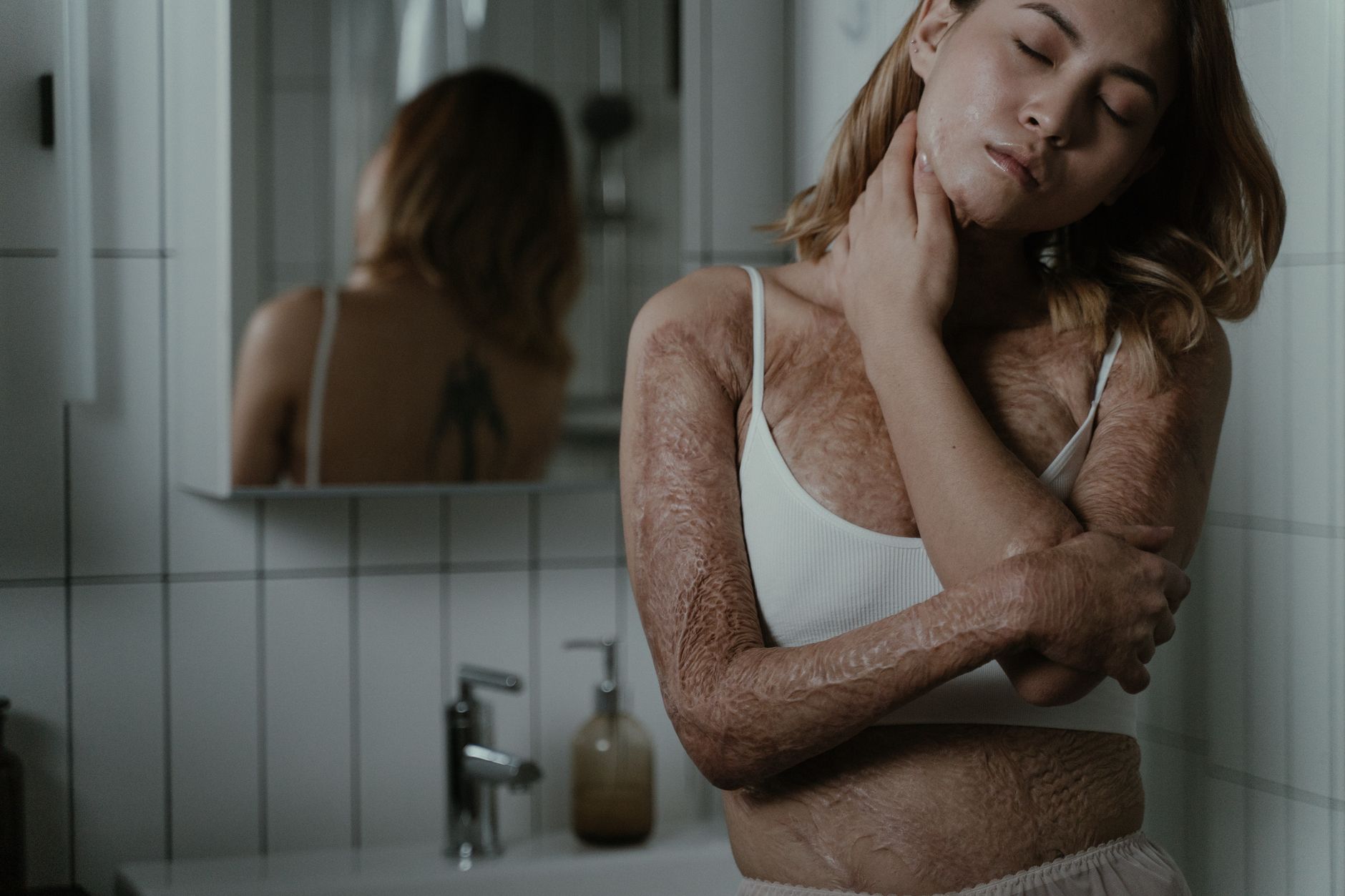
The appearance of psoriasis, especially in visible areas like the face, hands, or even the scalp, can deeply affect how you feel about yourself. It’s natural to feel self-conscious when your skin looks different. This can lead to a decrease in self-esteem and an increase in feelings of anger or frustration. Imagine you're preparing for an important job interview, and you notice new patches on your face. You might start worrying more about how you look than about showcasing your skills, which can certainly add to your stress levels.
Stigma surrounding skin conditions also plays a huge role. Fear of judgment or misunderstanding from others can make social situations feel daunting. This constant worry about perception can be exhausting and contribute to feelings of isolation.
Understanding the Psychological Impact: Anxiety and Depression
It's not uncommon for people with psoriasis to experience anxiety and depression. Studies have shown a higher prevalence of these conditions among individuals with psoriasis compared to the general population. For example, one study found that a significant percentage of Americans with psoriasis experienced depression, regardless of how severe their psoriasis was. Another long-term study indicated that a notable portion of people with psoriasis developed mental health disorders, including depression and anxiety, over several years.
Why the Link? Exploring the Mechanisms
The connection between psoriasis and mental health isn't a simple one-way street. Several factors are thought to contribute:
- Inflammation: Both psoriasis and certain mental health conditions, like depression, share common inflammatory pathways. This means that the same inflammatory processes in the body might be contributing to both the skin condition and mood disturbances. Think of it like a fire in your body that affects both your skin and your brain.
- Stress Cycle: Psoriasis symptoms, such as persistent itching, can be a major source of stress. This stress can trigger a 'fight or flight' response in your body, releasing stress hormones like cortisol. This, in turn, can worsen psoriasis flare-ups, creating a frustrating cycle where stress leads to more psoriasis, and more psoriasis leads to more stress.
- Sleep Disturbances: Chronic itching and discomfort from psoriasis can significantly disrupt sleep. Poor sleep quality is strongly linked to worsened mood, increased anxiety, and impaired cognitive function. When you don't get enough restorative sleep, your emotional resilience takes a hit.
- Medication Side Effects: While often effective, some psoriasis treatments can have side effects that impact mood. It's always wise to discuss any mood changes with your doctor if you're undergoing treatment.
- Genetics and Biology: Ongoing research suggests that there might be shared genetic or biological factors that predispose individuals to both psoriasis and certain mental health conditions.
Men and Mental Health with Psoriasis
Men, in particular, may face unique challenges. Societal expectations can sometimes make it harder for men to openly discuss their feelings or seek help for mental health issues. There can be a reluctance to admit to feelings of anxiety or depression, fearing it might be perceived as weakness. This tendency to keep struggles internal can allow these conditions to become more entrenched.
Taking Action: Managing Psoriasis and Mental Health
The good news is that managing both your psoriasis and your mental well-being is possible. A holistic approach is key.
1. Effective Psoriasis Management
The first step is often achieving better control over your psoriasis symptoms. This can significantly reduce the stress and discomfort associated with the condition.
- Work with Your Doctor: Discuss your treatment options thoroughly. There are many effective treatments available, from topical creams to systemic medications and light therapy. Finding the right regimen for you is crucial.
- Adhere to Treatment Plans: Consistently follow your doctor's recommendations for medication and skincare.
- Identify Triggers: Pay attention to what might be triggering your psoriasis flare-ups (e.g., stress, certain foods, weather changes) and try to manage them.
2. Prioritizing Mental Wellness
Addressing your mental health is just as important as managing your skin.
- Seek Professional Support: Don't hesitate to talk to a therapist, counselor, or psychologist. Cognitive Behavioral Therapy (CBT) and other forms of talk therapy can be very effective in managing anxiety and depression. Your dermatologist can often recommend mental health professionals experienced in working with people who have chronic skin conditions.
- Practice Stress Reduction Techniques: Incorporate mindfulness, meditation, deep breathing exercises, or yoga into your daily routine. Even a few minutes each day can make a difference.
- Build a Support System: Connect with friends, family, or support groups for people with psoriasis. Sharing your experiences can be incredibly validating and reduce feelings of isolation.
- Prioritize Sleep: Aim for 7-8 hours of quality sleep per night. Establish a regular sleep schedule and create a relaxing bedtime routine.
- Stay Physically Active: Regular exercise is a powerful mood booster. Aim for at least 30 minutes of brisk activity most days of the week. Find activities you enjoy, whether it's walking, swimming, or dancing.
3. Lifestyle Adjustments for Holistic Health
Certain lifestyle changes can support both your skin and your mental health.
- Balanced Nutrition: Eating a healthy, balanced diet rich in fruits, vegetables, and whole grains can help reduce inflammation and improve overall well-being.
- Limit Alcohol and Smoking: Both can exacerbate psoriasis and negatively impact mental health.
When to Seek Help
It's time to reach out for professional help if you experience any of the following:
- Persistent feelings of sadness, hopelessness, or worthlessness
- Loss of interest in activities you once enjoyed
- Significant changes in appetite or sleep patterns
- Intrusive thoughts or difficulty concentrating
- Thoughts of harming yourself or others
Remember, seeking help is a sign of strength, not weakness. Your mental health matters, and there are effective ways to manage it alongside your psoriasis.
Frequently Asked Questions (FAQ)
Can stress cause psoriasis?
While stress doesn't typically cause psoriasis to start, it is a well-known trigger for flare-ups in people who already have the condition. The stress-psoriasis cycle can be quite challenging.
Is there a cure for psoriasis?
Currently, there is no cure for psoriasis. However, there are many effective treatments available to manage symptoms, reduce inflammation, and improve the quality of life for people living with the condition.
Can psoriasis affect my brain?
Psoriasis is an autoimmune condition with systemic effects. While it primarily affects the skin, the inflammation associated with psoriasis can also impact other parts of the body, including potentially influencing mood and mental health through shared inflammatory pathways.