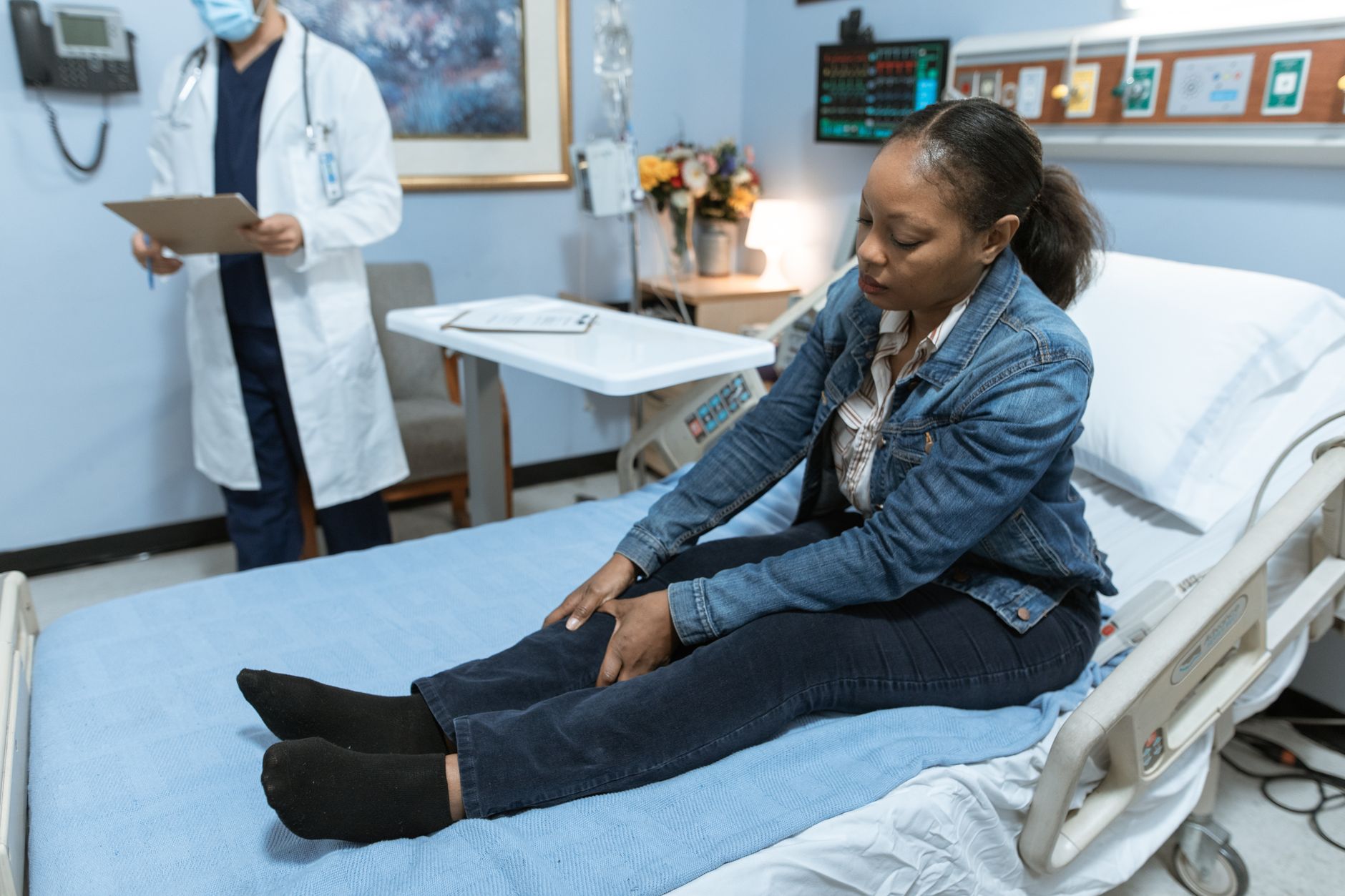
A pulmonary embolism (PE) is a serious medical condition. It happens when a blood clot, usually formed in your legs, travels to your lungs and blocks blood flow. Imagine a tiny roadblock in the vital highway of your lungs! This can be life-threatening, so getting prompt medical help is absolutely essential. The American Lung Association tells us that about 1 in every 1,000 people in the US experience a PE annually. That’s a significant number, and it highlights why understanding the recovery process is so important.
The journey to recovery after a PE isn't always a straight line. It’s a path that varies greatly from person to person. While many can eventually return to their usual activities, some may face lingering challenges. A study from 2019 found that after six months, nearly half of PE survivors still experienced shortness of breath, and a quarter reported some form of functional impairment. This means that while the immediate crisis is over, the healing and adaptation phase can be ongoing.
Understanding Your PE Recovery Timeline
So, how long does it *really* take to bounce back from a pulmonary embolism? The honest answer is: it depends. There's no one-size-fits-all answer. For many, a full recovery and return to normal activities can take several weeks to a few months. However, some symptoms, like shortness of breath or chest pain, might linger for weeks, months, or even longer. Your body is doing some incredible work repairing itself, and that takes time.
Factors Influencing Your Recovery
Several factors play a big role in how quickly and how well you recover:
- Severity of the PE: A more severe or life-threatening PE often requires more intensive treatments, such as powerful clot-busting medications (thrombolytics) or even surgical procedures. These interventions, while necessary, can sometimes extend the recovery period.
- Your Overall Health: Pre-existing health conditions can significantly impact your recovery. Conditions like obesity, cancer, infections (including recent ones like COVID-19), heart failure, previous heart attacks, strokes, or major injuries (like a broken leg or hip, or spinal cord injury) can make the healing process more complex. Your doctor will consider your entire health picture when guiding your recovery.
- Treatment Received: The type of treatment you get, whether in the hospital or at home, influences your recovery. For some low-risk patients, home treatment is becoming a viable option, guided by specialists.
- Adherence to Medication: Blood-thinning medications are a cornerstone of PE treatment. Typically, you'll take these for at least three months, but for those at higher risk of future clots, this duration might be extended. Sticking to your prescribed medication schedule is vital for preventing new clots and allowing your body to heal.
Hospital Stay and Home Recovery
Many individuals diagnosed with a PE will spend some time in the hospital. The length of this stay is usually determined by how severe the PE is. Historically, the average hospital stay for a PE was around 6 days, but this can vary. For some, especially those identified as low-risk for complications, the possibility of treatment at home is a growing reality. The American Society of Hematology has provided guidelines supporting this approach, allowing more people to recover in the comfort of their own surroundings, under close medical supervision, of course.
When Can You Resume Normal Activities?
This is the million-dollar question for many PE survivors! Resuming activities is a gradual process. Your doctor will be your best guide here.
- Work: For many, returning to work can happen within a few weeks to a couple of months, depending on the nature of your job. Sedentary jobs might allow for an earlier return than physically demanding ones.
- Exercise: Gentle exercise is often encouraged to aid recovery and improve lung function. Start slow! Walking is a great initial step. Your doctor or a physical therapist can help you create a safe exercise plan. Avoid strenuous activities until you feel significantly stronger and have your doctor's approval.
- Travel: Flying, especially long flights, is generally not recommended for the first four weeks after a PE. After this initial period, it's usually okay to travel, but it's always wise to discuss your plans with your doctor beforehand. They can advise on any precautions you might need to take, especially if you have a higher risk of clotting.
- Driving: You can usually resume driving once you are no longer taking strong narcotic pain medications and can perform an emergency stop safely. This is typically a few days to a week after leaving the hospital, but check with your doctor.
Potential Complications and Long-Term Outlook
While many recover fully, it’s important to be aware of potential long-term issues and complications.
Post-PE Syndrome
This isn't a formal diagnosis but a term used to describe lingering symptoms like chronic shortness of breath, fatigue, and chest pain that persist long after the initial PE event. If these symptoms significantly impact your quality of life, it's essential to discuss them with your doctor.
Pulmonary Hypertension
In some cases, a PE can lead to pulmonary hypertension, a condition where the blood pressure in the lungs' arteries becomes dangerously high. This can put a strain on the right side of your heart and potentially lead to heart failure. The American Lung Association suggests that if you still have significant breathing difficulties six months after your PE, you should see your doctor for testing. Early detection and treatment of pulmonary hypertension are key.
Risk of Future Blood Clots
A concerning statistic from the National Heart, Lung, and Blood Institute is that nearly one in three people who have had a venous blood clot, like a PE or deep vein thrombosis (DVT), will experience another one within 10 years. This is why ongoing management, including potential long-term anticoagulation and lifestyle adjustments, is so important. Maintaining a healthy weight, staying active, and avoiding prolonged immobility can help reduce this risk.
When to Consult Your Doctor
Your recovery involves regular check-ins with your healthcare team. These follow-up appointments can start anywhere from two weeks to three months after your PE. Don't hesitate to reach out to your doctor between appointments if you experience any of the following:
- Sudden shortness of breath or difficulty breathing
- Chest pain, especially if it worsens with breathing
- Coughing up blood
- Swelling, pain, or redness in one leg (signs of DVT)
- Feeling unusually tired or weak
- Any new or worsening symptoms that concern you
Your doctor is your partner in recovery. Open communication is vital. Ask questions, voice your concerns, and work together to create the best path forward.
Frequently Asked Questions (FAQ)
Can I ever fully recover from a pulmonary embolism?
Yes, many people do make a full recovery and return to their normal lives. However, recovery time and the extent of recovery vary. Some may experience lingering symptoms, while others return to their pre-PE baseline.
Is it safe to travel after a PE?
After the initial four weeks, travel is usually safe, but it's always best to discuss your travel plans with your doctor. They might recommend specific precautions, especially for long journeys.
What are the long-term effects of a PE?
Potential long-term effects can include chronic shortness of breath, fatigue, chest pain (post-PE syndrome), and an increased risk of future blood clots. In some cases, pulmonary hypertension can develop.
How can I reduce my risk of another blood clot?
Maintaining a healthy lifestyle is key. This includes staying hydrated, maintaining a healthy weight, regular physical activity, avoiding prolonged sitting or immobility, and taking prescribed blood thinners as directed by your doctor.