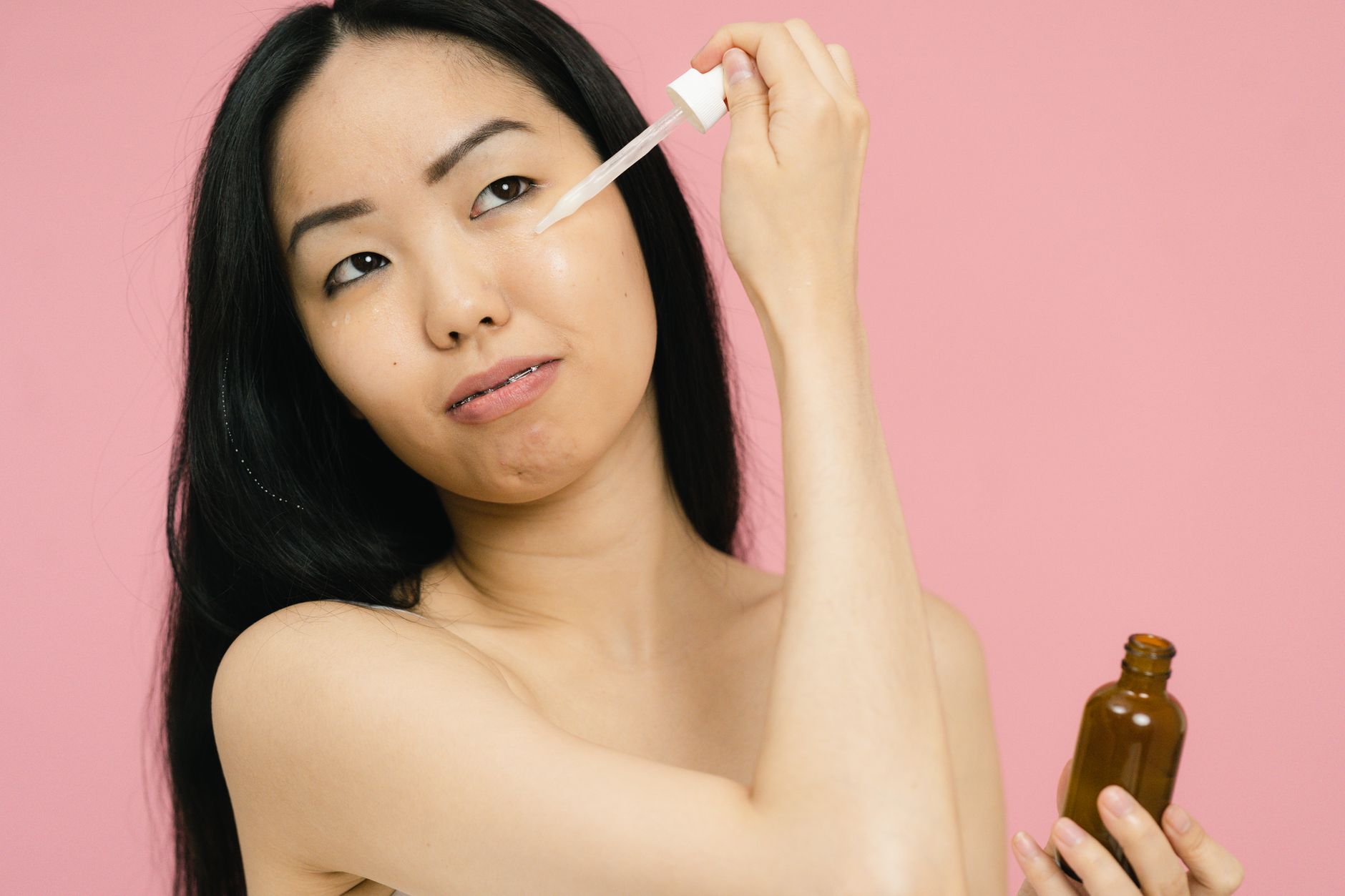
Retinol, a form of Vitamin A, is a powerhouse ingredient in skincare, often hailed for its ability to combat acne, reduce signs of aging, and improve overall skin texture. But with so much buzz, it's natural to wonder: is it really safe? The short answer is yes, retinol is safe and incredibly effective, provided you use it correctly. Many people have had negative experiences, leading to fear and confusion. However, these issues often stem from improper use, such as starting with a high concentration or applying it too frequently. This guide will walk you through everything you need to know to safely incorporate retinol into your skincare routine for radiant, healthy skin.
What Exactly is Retinol?
Retinol is part of a family of vitamin A derivatives known as retinoids. While some retinoids, like tretinoin, require a doctor's prescription due to their potency, retinol is available over-the-counter (OTC) in lower concentrations. It works by penetrating the skin and accelerating cell turnover. This process helps to unclog pores, which can significantly reduce acne breakouts. Furthermore, retinol stimulates collagen production in the deeper layers of the skin. Collagen is vital for maintaining skin's hydration, elasticity, and firmness, thereby reducing the appearance of fine lines and wrinkles.
The Many Benefits of Retinol
Retinol's versatility makes it a favorite among dermatologists and skincare enthusiasts alike. Its benefits are wide-ranging:
- Combats Acne: By speeding up skin cell turnover, retinol keeps pores clear, preventing the buildup of dead skin cells and oil that leads to acne.
- Reduces Signs of Aging: It boosts collagen production, which helps to smooth out fine lines and wrinkles, making skin appear more youthful.
- Improves Skin Texture: Regular use can lead to smoother, softer skin by promoting the shedding of damaged outer skin cells.
- Fades Hyperpigmentation: Retinol can help lighten dark spots, sun spots, and acne scars, leading to a more even skin tone.
- Boosts Radiance: By increasing cell turnover and collagen, it can make the skin look brighter and more luminous.
Understanding Potential Side Effects and How to Manage Them
While retinol is safe, it's not without potential side effects, especially when you're just starting out or if you use it improperly. Common initial reactions include:
- Redness: Your skin might appear flushed.
- Dryness: A feeling of tightness or lack of moisture.
- Peeling: Small flakes of skin may shed.
- Irritation: Mild itching or stinging.
These side effects are typically temporary and are a sign that your skin is adjusting to the ingredient. They usually subside within a few weeks. However, using retinol too frequently or opting for a high concentration right away can worsen these issues, leading to more significant irritation, itchiness, or scaly patches. In rare cases, some individuals might experience acne breakouts, eczema flare-ups, skin discoloration, or swelling. If you have sensitive skin or a history of conditions like eczema, it's wise to approach retinol use with extra caution and consult a dermatologist first.
Tips for Minimizing Side Effects:
- Start Low and Slow: Begin with a low concentration of retinol, such as 0.2% or 0.25%. Apply it only two to three times a week, preferably at night.
- Use a Pea-Sized Amount: You don't need much. A small amount is sufficient for your entire face.
- Apply to Dry Skin: Wait about 10-20 minutes after washing your face before applying retinol. This helps to buffer its effects.
- Moisturize: Always follow up with a good moisturizer to combat dryness and support your skin barrier. Look for hydrating ingredients like hyaluronic acid or ceramides.
- Patch Test: Before applying to your entire face, test a small amount on an inconspicuous area, like behind your ear or on your jawline, for a few days to check for adverse reactions.
Choosing the Right Retinol Product for Beginners
Selecting your first retinol product can feel overwhelming. Here are some recommendations and factors to consider:
- Low Concentration: As mentioned, start with products around 0.2% to 0.3% retinol.
- Formulation: Creams and moisturizers often contain lower concentrations and are more hydrating, making them ideal for beginners. Serums can be more potent.
- Product Examples:
- Olay Regenerist Retinol 24 Moisturizer: This product uses a retinoid complex and vitamin B3 (niacinamide) to target fine lines, wrinkles, dark spots, and improve skin texture. It's a good option for overall skin rejuvenation.
- The Ordinary 0.2% Retinol in Squalane: This is a budget-friendly and effective starting point, especially if you're dealing with fine lines and pigmentation.
- La Roche-Posay Redermic R Retinol Cream: Formulated with sensitive skin in mind, this cream offers a gentler approach to retinol.
- Cosmedix Elite Serum 24: Available in different strengths (0.25%, 0.5%, 1%), allowing for gradual progression as your skin adapts.
Remember, prescription-strength retinoids like tretinoin can show results in weeks, but over-the-counter retinols might take up to 6 months to reveal their full potential. Be patient with the process!
Sun Protection is Non-Negotiable
This is perhaps the most critical rule when using retinol. Retinol increases your skin's sensitivity to ultraviolet (UV) radiation from the sun. This means you are much more prone to sunburn and sun damage if you don't protect your skin adequately. Always apply a broad-spectrum sunscreen with an SPF of 30 or higher every single day, even on cloudy days or when you plan to be indoors. Make sunscreen application a non-negotiable part of your morning routine. Reapply every two hours if you're outdoors.
When to Consult a Doctor
While retinol is generally safe for most skin types, there are situations where professional advice is essential:
- Severe Irritation: If you experience persistent redness, peeling, burning, or swelling that doesn't improve after a few weeks.
- Pre-existing Skin Conditions: If you have conditions like eczema, rosacea, or very sensitive skin, discuss retinol use with a dermatologist before starting.
- Pregnancy or Breastfeeding: Retinoids, including retinol, are generally not recommended during pregnancy or while breastfeeding due to potential risks to the baby. Always consult your doctor.
- Using Prescription Retinoids: If you are already using a prescription-strength retinoid, follow your doctor's specific instructions.
A dermatologist can help you choose the right product, determine the correct strength and frequency of use, and manage any side effects effectively.
A Real-Life Scenario
Meet Priya, a 30-year-old marketing executive. She noticed fine lines around her eyes and occasional acne breakouts. Excited by the promise of retinol, she bought the strongest serum she could find and started using it every night. Within a week, her skin was red, flaky, and stinging. She felt like retinol had ruined her skin and stopped using it altogether. Priya's experience highlights a common pitfall: jumping in too aggressively. If Priya had started with a lower concentration, used it a few times a week, and paired it with a good moisturizer and daily sunscreen, she likely would have seen gradual improvements without the harsh irritation.
Frequently Asked Questions About Retinol
Q1: How long does it take to see results from retinol?
It varies. While prescription retinoids can show changes in weeks, OTC retinols typically take 3-6 months of consistent use to show noticeable improvements in fine lines, wrinkles, and pigmentation. Acne improvements might appear sooner, around 12 weeks.
Q2: Can I use retinol with other active ingredients?
Be cautious. Avoid using retinol with other strong exfoliants like AHAs (glycolic acid, lactic acid) or BHAs (salicylic acid) in the same routine, especially when starting. You can often alternate nights or use them at different times of the day (e.g., retinol at night, AHA in the morning, but be very careful). Always introduce new active ingredients one at a time.
Q3: Is retinol suitable for all skin types?
Retinol can be beneficial for most skin types, including oily, acne-prone, and aging skin. However, individuals with very sensitive skin, rosacea, or eczema should proceed with extreme caution and consult a dermatologist. Starting with very low concentrations and less frequent application is key.
Q4: Can I use retinol during the day?
It's best to use retinol at night. This is because it can increase sun sensitivity, and applying it before bed avoids potential sun exposure during its peak activity. Always use sunscreen diligently the next day.
Q5: What should I do if I experience peeling?
Peeling is a common side effect. Ensure you are using a good moisturizer and not applying retinol too frequently. You can also try applying retinol to slightly damp skin (wait a few minutes after washing) or buffer it by applying moisturizer before and after the retinol. If peeling is severe, reduce the frequency of retinol application.