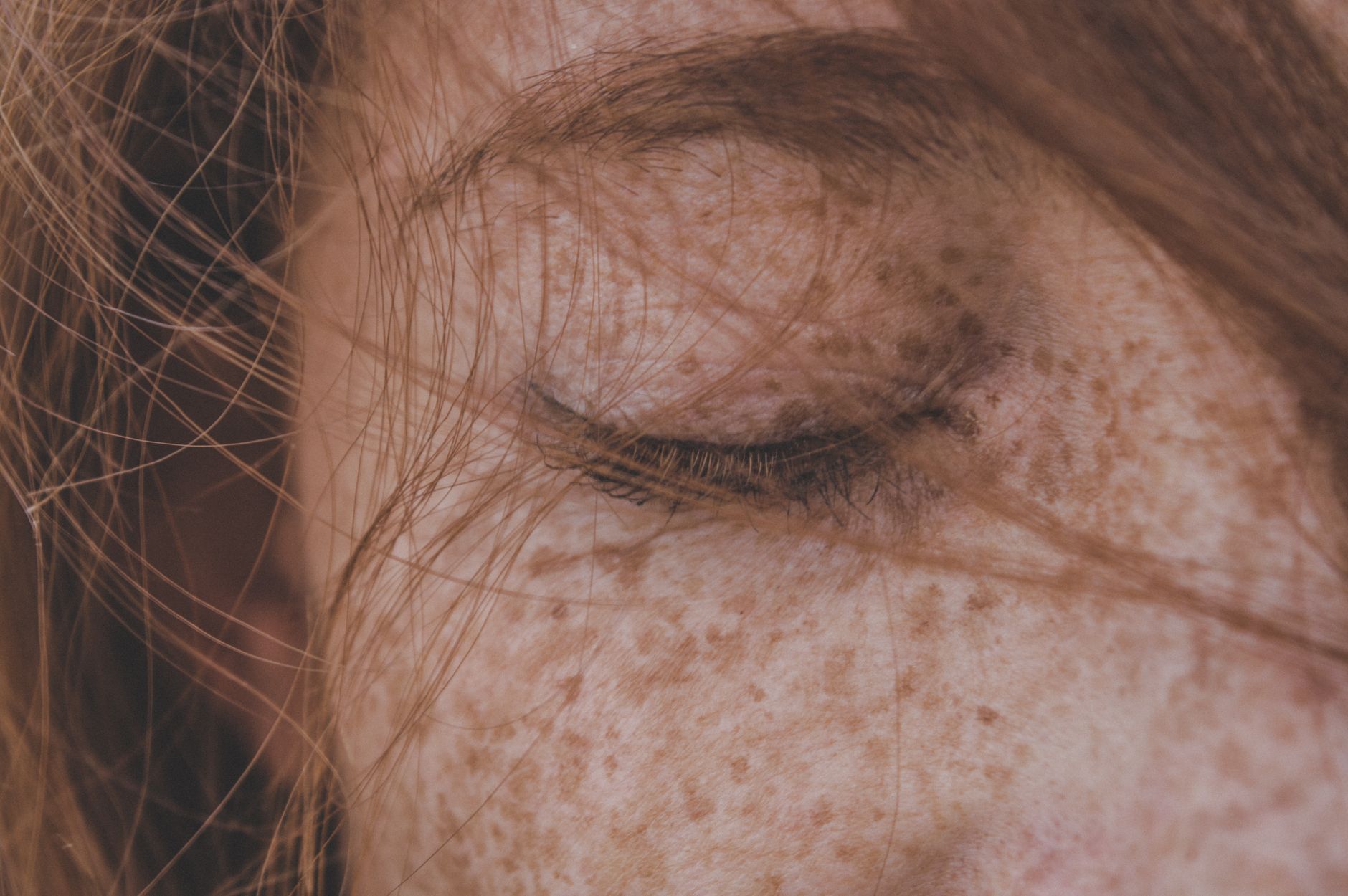
Understanding Rosacea and Its Progression with Age
Rosacea is a chronic skin condition that primarily affects the face, causing redness, visible blood vessels, and sometimes small, red, pus-filled bumps. While it can affect anyone, it most commonly appears in women over the age of 30. A common question among those diagnosed with rosacea is whether their condition will worsen as they age. While there's no definitive answer that applies to everyone, research suggests that rosacea symptoms can indeed become more pronounced and challenging to manage in some individuals as they get older, particularly after the age of 45.
The Link Between Rosacea and Age
Several studies have explored the relationship between rosacea and aging. One notable study from 2022, which involved 840 women over 30 with rosacea, found that the clinical features of the condition became more complex and difficult to treat after the age of 45. Women in this age group were more likely to experience more persistent and severe rashes and redness compared to younger individuals with rosacea.
While these findings are significant, it's important to note that this particular study focused on women. Rosacea affects more women than men, but it's still unclear how the condition progresses in men over time. Further research is needed to understand the broader impact of aging on rosacea across different genders and populations.
Aging is a natural process that influences many aspects of our health, and it's not surprising that it can also play a role in the progression of skin conditions like rosacea. While it doesn't guarantee that your rosacea will worsen, it is a possibility that many individuals experience.
Symptoms of Rosacea
Rosacea can manifest in various ways, and its symptoms can change over time. Common signs and symptoms include:
- Facial Redness: Persistent redness, often resembling a blush or sunburn that doesn't fade.
- Visible Blood Vessels: Small blood vessels on the face may become enlarged and visible, particularly on the cheeks and nose.
- Bumps and Pimples: Small, red, pus-filled bumps, similar to acne, can appear on the face.
- Eye Irritation (Ocular Rosacea): Some individuals experience dry, irritated, red, or swollen eyes.
- Thickened Skin: In some cases, particularly in men, rosacea can cause the skin on the nose to thicken and enlarge, a condition known as rhinophyma.
Factors Contributing to Rosacea Flare-ups
While age can be a factor in the progression of rosacea, several other triggers can cause flare-ups and worsen symptoms. Identifying and avoiding these triggers is crucial for managing the condition:
- Sun exposure
- Hot or cold weather
- Wind
- Spicy foods
- Hot drinks
- Alcohol
- Stress
- Certain cosmetics or skin care products
- Exercise
Diagnosis of Rosacea
Diagnosing rosacea typically involves a physical examination of the skin and a discussion about your medical history and symptoms. There isn't a specific test for rosacea, but a doctor will rule out other conditions that might cause similar symptoms, such as lupus or allergic reactions. They may ask about:
- The location and duration of redness and bumps.
- Any triggers that seem to worsen your symptoms.
- Your family history of rosacea.
Treatment Options for Rosacea
While there is currently no known cure for rosacea, various treatments can effectively manage symptoms and reduce flare-ups. The best treatment plan is often personalized and may involve a combination of approaches:
Topical Treatments:
These are creams, gels, or lotions applied directly to the skin:
- Azelaic Acid: Research indicates that regular use can significantly reduce rosacea symptoms, sometimes leading to a complete reduction.
- Metronidazole: This medication helps reduce redness, inflammation, and acne-like lesions associated with rosacea.
- Ivermectin: Studies suggest that ivermectin can be highly effective in reducing acne rosacea lesions, potentially more so than other topical treatments like azelaic acid and metronidazole.
- Sodium Sulfacetamide and Sulfur: These ingredients are found in various over-the-counter and prescription products and can help reduce acne-like rosacea symptoms with consistent use.
Oral Medications:
For more severe cases, oral medications may be prescribed:
- Antibiotics: Medications like tetracycline or low-dose doxycycline are commonly prescribed to reduce flare-ups and redness. However, they are generally not recommended for long-term use.
- Isotretinoin: Also known as Accutane, this powerful medication is approved for severe acne, including that caused by rosacea. Due to its potential for severe side effects, it's typically reserved for extreme cases.
Laser and Light Therapies:
These treatments can be very effective in reducing redness and visible blood vessels:
- Laser Therapy: Procedures like Intense Pulsed Light (IPL) and laser treatments can significantly reduce the redness and appearance of broken blood vessels on the face.
Preventing Rosacea Flare-ups
Prevention is key to managing rosacea, especially as you age. The cornerstone of prevention involves identifying and avoiding your personal triggers. Keeping a diary of your diet, activities, and skin reactions can help pinpoint what causes your flare-ups. Additionally, adopting a gentle skincare routine is vital:
- Use mild, non-abrasive cleansers.
- Avoid harsh scrubbing or exfoliating.
- Use lukewarm water when washing your face.
- Protect your skin from the sun by using a broad-spectrum sunscreen with SPF 30 or higher daily.
- Choose skincare products labeled "non-comedogenic" or "for sensitive skin."
When to Consult a Doctor
It's important to seek medical advice if you suspect you have rosacea or if your current symptoms are worsening or becoming difficult to manage. Consult a dermatologist or healthcare provider if you experience:
- Persistent facial redness that doesn't improve.
- Bumps or pimples on your face.
- Eye irritation or changes in vision.
- Any significant changes in your skin's appearance.
- Concerns about how rosacea might be progressing with age.
While rosacea can be a lifelong condition, advancements in treatment and a proactive approach to management can significantly improve your quality of life. By understanding the potential impact of age and working closely with your doctor, you can develop an effective strategy to keep your rosacea under control.
Additional Medical Guidance
This section adds practical context and preventive advice to help readers make informed healthcare decisions. It is important to verify symptoms early, consult qualified doctors, and avoid self-medication for persistent health issues.
Maintaining healthy routines, following prescribed treatment plans, and attending regular checkups can improve outcomes. If symptoms worsen or red-flag signs appear, immediate medical evaluation is recommended.
Quick Checklist
Track symptoms and duration.
Follow diagnosis and treatment from a licensed practitioner.
Review medication side effects with your doctor.
Seek urgent care for severe warning signs.