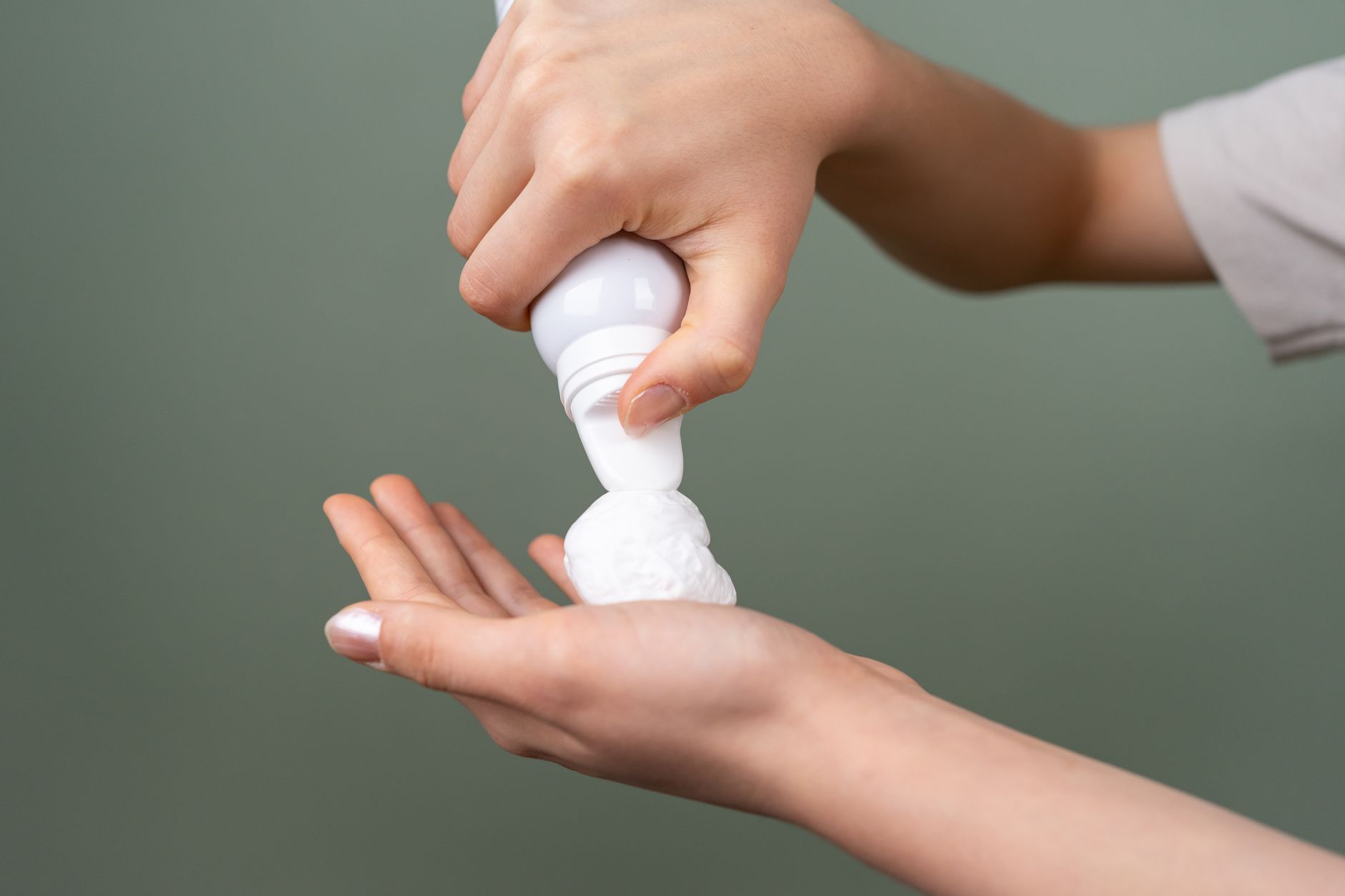
Understanding Eczema and Shaving Challenges Eczema, a group of inflammatory skin conditions, can make everyday activities like shaving a significant challenge. Characterized by symptoms such as dryness, redness, itching, and inflammation, eczema compromises the skin's natural barrier, making it more sensitive to irritants. When you have eczema, shaving can not only cause discomfort but also increase the risk of flare-ups, infections, and post-inflammatory hyperpigmentation. This guide aims to provide practical advice for individuals with eczema on how to shave safely and effectively, minimizing irritation and maintaining skin health. Why Shaving is Difficult with Eczema The skin barrier in individuals with eczema is often compromised, leading to increased moisture loss and heightened sensitivity. Shaving involves the friction of a razor blade against the skin, which can exacerbate existing dryness and inflammation. Furthermore, a dull razor blade can pull and tug at the hair and skin, leading to micro-tears and further irritation. This can create a vicious cycle where shaving triggers eczema flare-ups, and the flare-ups make subsequent shaving more difficult and painful. Preparing Your Skin for a Safe Shave Proper preparation is key to minimizing irritation when shaving with eczema. The goal is to soften the hair and hydrate the skin, creating a protective barrier. Hydration is Key Moisturize Before Shaving: Instead of traditional shaving creams, which can sometimes contain harsh chemicals or fragrances that irritate sensitive skin, consider using a gentle, fragrance-free moisturizer or an emollient. Apply a generous layer to the area you intend to shave. This helps to soften the hair and create a slick surface for the razor to glide over, reducing friction. Warm Compress: Applying a warm, damp washcloth to the skin for a few minutes before shaving can help to open pores and further soften the hair. This is particularly beneficial for thicker or coarser hair. Choosing the Right Shaving Tools The tools you use for shaving play a crucial role in preventing irritation and potential infections. Razor Selection Electric Razors: Many dermatologists recommend electric razors for individuals with eczema. They tend to cause less direct friction and reduce the risk of nicks and cuts compared to manual razors. Look for models designed for sensitive skin. Manual Razors: If you prefer a manual razor, opt for a multi-blade razor with sharp, clean blades. Avoid using dull blades, as they require more pressure and can drag across the skin, causing irritation and micro-tears. Replace your blades frequently – often within a few weeks of use, depending on frequency. Sensitive Skin Razors: Some brands offer razors specifically designed for sensitive skin, often featuring lubricating strips with soothing ingredients like aloe vera or chamomile. Blade Maintenance Sharpness Matters: A dull blade is a major culprit for shaving-related irritation. A study in 2020 highlighted that even soft hair can dull a blade over time. As a blade dulls, it loses its ability to cut cleanly, leading to pulling and twisting of the hair within the follicle. Ensure your blades are always sharp. Sanitation: Eczema-prone skin is more susceptible to infection. Always ensure your razor is clean. Rinse it thoroughly after each use and allow it to dry completely before storing it to prevent bacterial growth. The Shaving Technique for Eczema Even with the right tools and preparation, improper technique can lead to irritation. Shaving Direction Shave with the Grain: To minimize irritation, shave in the direction that your hair grows. Shaving against the grain, while it may provide a closer shave, significantly increases the risk of razor bumps, ingrown hairs, and irritation, especially for those with eczema. Pressure and Strokes Gentle Strokes: Avoid applying excessive pressure. Let the razor do the work. Use short, gentle strokes rather than long, aggressive ones. Rinse Frequently: Rinse the razor blade under warm water after every few strokes to prevent hair and shaving product buildup, which can clog the blade and reduce its effectiveness. Post-Shave Care for Eczema The care you provide your skin after shaving is just as important as the preparation and technique. Soothing and Moisturizing Rinse with Cool Water: After shaving, rinse the skin thoroughly with cool water to help close pores and soothe the skin. Pat Dry: Gently pat your skin dry with a soft towel. Avoid rubbing, which can cause further irritation. Apply Moisturizer: Immediately after drying, apply a generous amount of a thick, fragrance-free, hypoallergenic moisturizer or emollient. This helps to rehydrate the skin, lock in moisture, and calm any residual inflammation. Look for ingredients like ceramides, hyaluronic acid, or colloidal oatmeal. Alternatives to Traditional Shaving For some individuals with severe eczema, traditional shaving might be too problematic. While long-term hair removal methods like waxing, chemical depilatories, or plucking can cause significant inflammation and contact dermatitis, other options might be considered after consulting a dermatologist. When to Consult a Doctor If you experience persistent irritation, severe flare-ups, signs of infection (such as increased redness, swelling, pain, or pus), or if shaving significantly impacts your quality of life, it is essential to consult a dermatologist. They can help identify triggers, recommend specific products, and discuss alternative hair removal methods tailored to your skin's needs. Key Takeaways for Shaving with Eczema Prioritize Hydration: Use moisturizers instead of shaving cream. Choose Wisely: Opt for electric razors or sharp, clean manual razors. Technique Matters: Shave with the grain using gentle strokes. Post-Shave Care: Rinse with cool water and moisturize immediately. Seek Professional Advice: Consult a dermatologist for persistent issues. By incorporating
In summary, timely diagnosis, evidence-based treatment, and prevention-focused care improve long-term health outcomes.