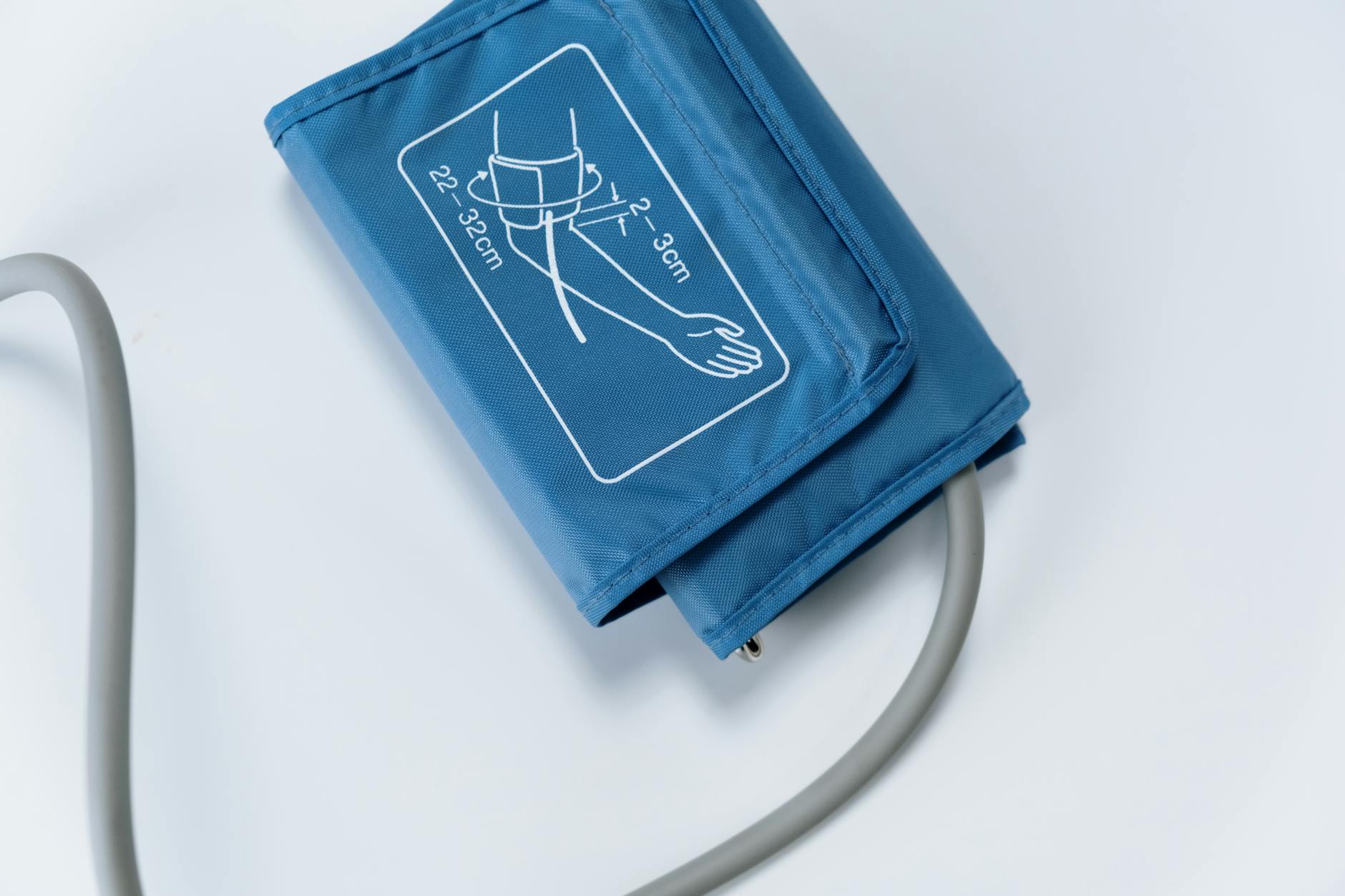
Sleep apnea and high blood pressure, also known as hypertension, are two common health conditions that often go hand-in-hand. While they might seem like separate issues, there's a significant and complex relationship between them. Understanding this connection is crucial for effective management and prevention of serious health complications. This blog post will delve into how sleep apnea can lead to or worsen high blood pressure, and vice versa, exploring the underlying mechanisms, diagnostic approaches, treatment options, and preventive strategies for Indian readers.
What is Sleep Apnea?
Sleep apnea is a sleep disorder characterized by repeated interruptions in breathing during sleep. The most common type is Obstructive Sleep Apnea (OSA), where the throat muscles relax and block the airway, causing breathing to stop and start. Central Sleep Apnea (CSA) is less common and occurs when the brain fails to send proper signals to the muscles that control breathing.
What is High Blood Pressure (Hypertension)?
High blood pressure is a condition where the force of blood against the artery walls is consistently too high. This forces the heart to work harder to pump blood, which can lead to serious health problems like heart disease, stroke, kidney failure, and vision loss over time. Blood pressure is measured in millimeters of mercury (mm Hg) and is given as two numbers: systolic (the pressure when your heart beats) and diastolic (the pressure when your heart rests between beats).
The Link Between Sleep Apnea and Hypertension
Research from organizations like the American Heart Association (AHA) indicates a strong correlation between sleep apnea and hypertension. It's estimated that over 50% of individuals with Obstructive Sleep Apnea (OSA) may also have high blood pressure. Conversely, a significant portion of people with hypertension, perhaps 30% to 50%, might have underlying sleep apnea. This bidirectional relationship means that each condition can contribute to the development or worsening of the other.
How Sleep Apnea Affects Blood Pressure
When you have sleep apnea, particularly OSA, your breathing repeatedly stops and starts during sleep. This leads to several physiological changes that can elevate blood pressure:
- Oxygen Deprivation (Hypoxia): Each time breathing stops, the oxygen level in your blood drops, and carbon dioxide levels rise. This drop in oxygen can stress the cardiovascular system.
- Sympathetic Nervous System Activation: The body's
Additional Medical Guidance
This section adds practical context and preventive advice to help readers make informed healthcare decisions. It is important to verify symptoms early, consult qualified doctors, and avoid self-medication for persistent health issues.
Maintaining healthy routines, following prescribed treatment plans, and attending regular checkups can improve outcomes. If symptoms worsen or red-flag signs appear, immediate medical evaluation is recommended.
Quick Checklist
Track symptoms and duration.
Follow diagnosis and treatment from a licensed practitioner.
Review medication side effects with your doctor.
Seek urgent care for severe warning signs.