Have you ever caught a whiff of something smelling like burnt toast, only to find no source? This peculiar sensation, known as phantosmia, is more common than you might think. It’s essentially an olfactory hallucination, meaning you smell something that isn’t actually present. While often harmless, it can sometimes signal an underlying medical issue that needs attention. Let’s explore what might be causing this phantom smell and when it’s time to seek medical advice.
What Exactly is Phantosmia?
Phantosmia is the medical term for smelling odors that aren’t there. These phantom smells can vary widely – some people report smelling smoke, others might detect floral scents, and a common one is the distinct aroma of burnt toast. These smells can be constant, intermittent, or appear and disappear without warning. They might be brief, lasting only a few seconds, or linger for extended periods. It’s important to understand that this isn’t about your imagination; it’s a genuine sensory experience, though the trigger originates internally.
Why Am I Smelling Burnt Toast? Common Culprits
Several factors can contribute to phantosmia, ranging from simple nasal irritations to more complex neurological conditions. Understanding these causes can help you assess the situation:
Nasal and Sinus Issues
A significant percentage of phantom smell cases, around 52% to 72%, originate in the nose itself or the olfactory bulb, a structure just above the nose that processes smells. Common nasal culprits include:
- Upper Respiratory Infections: Even a common cold or flu can disrupt your sense of smell. Viral infections, like COVID-19, are known to damage the olfactory system, sometimes leading to persistent phantosmia even after other symptoms have resolved. A single infection can be enough to alter how you perceive smells.
- Allergies: Nasal congestion caused by allergies can temporarily affect your olfactory system, tricking your brain into smelling phantom odors. Antihistamines often help alleviate these symptoms by reducing the inflammation and congestion.
- Nasal Polyps: These are soft, painless, noncancerous growths that develop inside the nasal passages. They can block airflow and damage the olfactory system, leading to a distorted sense of smell, including phantosmia.
Head and Nerve Injuries
Even minor head injuries can disrupt your sense of smell. This can happen if the olfactory nerve itself is affected or if there's an injury to the frontal lobe of the brain, which plays a role in processing sensory information.
Aging
As we age, our sense of smell can naturally decline. Sometimes, this decline can manifest as phantosmia, where the brain tries to compensate for reduced sensory input by generating phantom smells.
When Smelling Burnt Toast Could Signal Something More Serious
While many causes of phantosmia are benign, it’s vital to be aware of situations where it might indicate a more serious medical condition. It’s not a sign of a stroke, contrary to some beliefs, but other neurological events can be linked.
Seizures
Phantosmia can sometimes be a symptom of a seizure, particularly a temporal lobe seizure (also known as temporal lobe epilepsy). During such a seizure, abnormal electrical activity in the brain can trigger an olfactory hallucination. This might occur suddenly and resolve within minutes. Some individuals experience an 'aura' before a seizure, which can include unusual sensory experiences like phantom smells, a feeling of déjà vu, intense emotions, or a sense of falling.
Neurological Conditions
Phantosmia can be an early warning sign for certain progressive neurological conditions. For instance, it's often noted as a common early symptom of idiopathic Parkinson's disease, sometimes appearing years before motor symptoms like tremors or stiffness become apparent. It can also be associated with other conditions affecting the brain, including schizophrenia and severe depression, where olfactory hallucinations, though less common than other types, can occur.
Understanding Stroke Warning Signs
It’s important to distinguish phantosmia from the signs of a stroke, as prompt action during a stroke is critical for recovery. While smelling burnt toast isn’t a stroke symptom, knowing the warning signs can save a life. Stroke symptoms appear suddenly and require immediate medical attention.
Use the FAST test to recognize stroke symptoms:
- F — Face: Ask the person to smile. Does one side of their face droop?
- A — Arms: Ask the person to raise both arms. Does one arm drift downward?
- S — Speech: Ask the person to repeat a simple phrase, like “The early bird catches the worm.” Is their speech slurred or strange?
- T — Time: If you observe any of these signs, it’s time to act. Call emergency services immediately.
Other sudden stroke symptoms can include severe headache, dizziness, loss of balance, or difficulty understanding speech. Remember, time is critical during a stroke.
When to Seek Medical Help for Phantosmia
Most of the time, phantosmia is a nuisance rather than a medical emergency. However, you should consult a doctor if:
- The phantom smell is persistent and bothersome.
- The smell is a new symptom that appeared suddenly.
- You experience other concerning symptoms along with the phantom smell, such as headaches, seizures, dizziness, or changes in vision or speech.
- The phantom smell is significantly impacting your quality of life or causing distress.
A doctor will likely start by asking about your medical history and symptoms. They may perform a physical examination, including a neurological assessment and an examination of your nose and throat. Depending on the suspected cause, further tests might be recommended, such as:
- Nasal endoscopy: A thin, flexible tube with a camera to look inside your nasal passages.
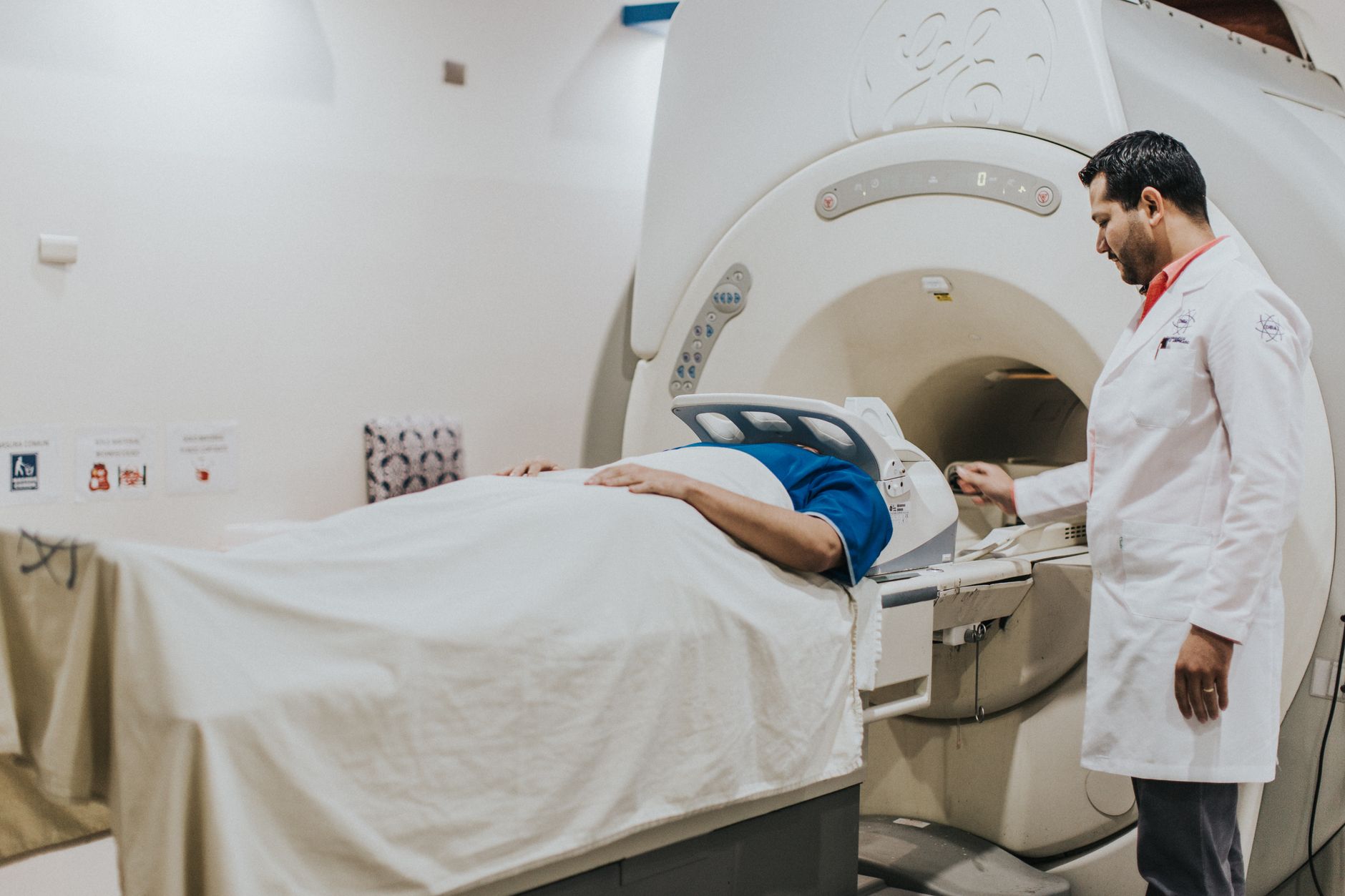
- Imaging scans: MRI or CT scans of the head to check for structural abnormalities or signs of neurological issues.
- Olfactory testing: To assess your sense of smell.
Managing and Treating Phantosmia
Treatment for phantosmia depends entirely on the underlying cause:
- Nasal conditions: If allergies or nasal polyps are the cause, treatments might include antihistamines, nasal corticosteroids, or in some cases, surgery to remove polyps.
- Infections: If an infection is responsible, treating the infection will often resolve the phantom smell.
- Neurological conditions: For conditions like epilepsy or Parkinson's disease, treatment will focus on managing the primary condition. This might involve medication or other therapies.
- Idiopathic phantosmia: If no specific cause is found, management might focus on coping strategies, such as using pleasant scents to mask the phantom smell or cognitive behavioral therapy. In some cases, certain medications might be prescribed to help dampen the olfactory signals.
Can You Prevent Smelling Burnt Toast?
Preventing phantosmia isn't always possible, as many causes are beyond our control. However, you can take steps to minimize the risk associated with some common triggers:
- Manage allergies: Keep your allergies under control with appropriate medication and by avoiding known allergens.
- Prevent infections: Practice good hygiene, such as frequent handwashing, to reduce the risk of respiratory infections. Get vaccinated against illnesses like the flu and COVID-19.
- Protect your head: Wear appropriate protective gear during sports or activities where head injuries are possible.
A Real-Life Scenario
Consider Mrs. Sharma, a 65-year-old homemaker, who recently started smelling burnt toast intermittently. At first, she dismissed it, assuming someone in the neighbourhood was burning something. However, the smell began to occur even when she was alone at home, sometimes accompanied by a strange metallic taste. She grew increasingly anxious, worrying it was a sign of a serious illness. Her daughter encouraged her to see a doctor, who, after a thorough examination, diagnosed her with nasal polyps exacerbated by recent sinus congestion. Treatment with nasal sprays has significantly reduced the phantom smell, bringing her peace of mind.
Frequently Asked Questions (FAQ)
Is smelling burnt toast a sign of a stroke?
No, smelling burnt toast or other phantom odors is not a recognized symptom of a stroke. However, sudden onset of neurological symptoms like facial drooping, arm weakness, or speech difficulties requires immediate emergency medical attention.
Can COVID-19 cause phantom smells?
Yes, COVID-19 is known to affect the olfactory system and can cause temporary or even long-term changes in smell, including phantosmia (phantom smells).
What is the most common cause of phantosmia?
The most common causes of phantosmia are related to issues within the nose or olfactory system, such as infections, allergies, nasal polyps, or inflammation following an upper respiratory infection.
Can stress cause phantom smells?
While stress can exacerbate many health conditions and sometimes affect sensory perception, it's not typically listed as a direct cause of phantosmia. However, conditions like anxiety and depression, which can be linked to stress, may sometimes be associated with olfactory hallucinations.
In summary, while the smell of burnt toast when there’s no fire can be alarming, it’s often due to benign nasal issues. Pay attention to your body, note any accompanying symptoms, and don’t hesitate to consult a healthcare professional if you have concerns or if the phantom smell persists.