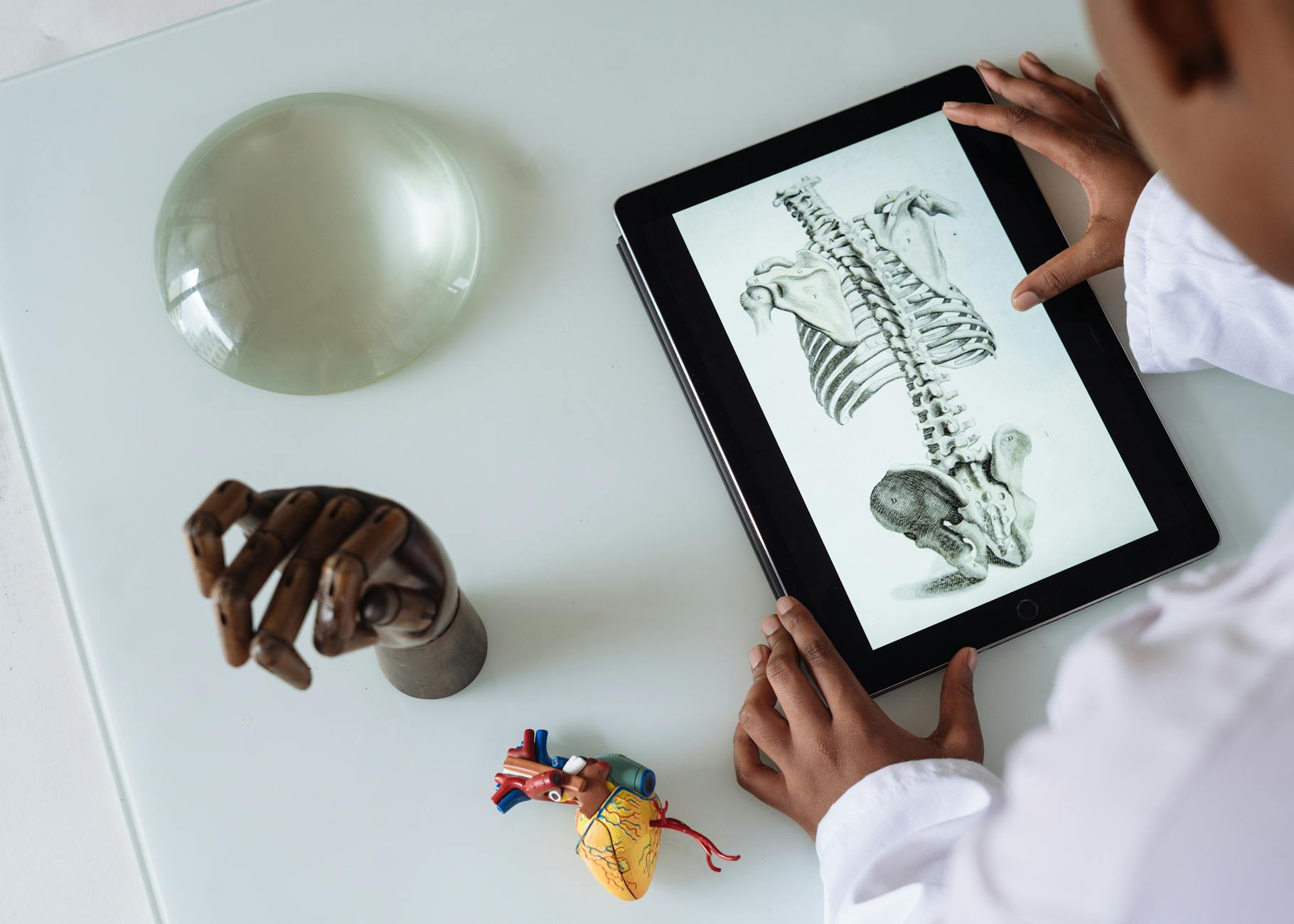
Understanding Spondylitis and Spondylosis: A Guide for Indian Readers Back pain is a common ailment, and often the terms 'spondylitis' and 'spondylosis' are used interchangeably, leading to confusion. While both conditions affect the spine and can cause pain and stiffness, they are fundamentally different in their causes, who they affect, and how they are treated. This article aims to clarify these differences, providing practical information for readers in India. What is Spondylitis? Spondylitis, also known as spondyloarthritis, is a group of inflammatory conditions that primarily affect the spine and the joints connecting the pelvis to the spine (sacroiliac joints). The term 'spondylo' refers to the spine, and 'arthro' refers to joints. In spondylitis, the body's immune system mistakenly attacks healthy tissues, leading to inflammation in the spine and sometimes other joints. A key characteristic of spondylitis is enthesitis, which is inflammation where tendons, ligaments, and joint capsules attach to the bone. Types of Spondylitis: Axial Spondyloarthritis (axSpA): This primarily affects the spine and sacroiliac joints. Ankylosing Spondylitis (AS) is the most common form of axSpA. Peripheral Spondyloarthritis: This affects joints outside of the spine, such as in the arms or legs. Who is Typically Affected by Spondylitis? Spondylitis often develops in younger adults, typically between the ages of 20 and 40. While it can affect anyone, certain factors can increase the risk. For instance, a genetic predisposition, particularly carrying the HLA-B27 gene, is strongly linked to ankylosing spondylitis. However, not everyone with this gene develops the condition. Spondylitis can also have a familial link, meaning it can run in families. In India, as in other parts of the world, understanding genetic predispositions is crucial for early diagnosis. What is Spondylosis? Spondylosis, often referred to as spinal osteoarthritis, is not an inflammatory condition. Instead, it is a degenerative condition caused by the natural wear and tear of the spine over time. As we age, the spinal discs (which act as cushions between vertebrae) can lose water content, shrink, and become less flexible. The facet joints, which allow the spine to move, can also experience cartilage wear and degeneration. This process can lead to stiffness, pain, and reduced mobility. Types of Spondylosis: Spondylosis is categorized based on the part of the spine it affects: Cervical Spondylosis: Affects the neck region. Thoracic Spondylosis: Affects the mid-back region. Lumbar Spondylosis: Affects the lower back region. Who is Typically Affected by Spondylosis? Spondylosis is much more common in older adults. It is estimated that a significant percentage of individuals over the age of 60 show signs of spinal osteoarthritis. The degenerative changes are a natural part of aging, though lifestyle factors and previous injuries can accelerate the process. In India, with an increasing elderly population, spondylosis is becoming a more prevalent concern. Key Differences: Spondylitis vs. Spondylosis Cause: Spondylitis: An autoimmune and inflammatory condition, often with a genetic component. Spondylosis: A degenerative condition due to wear and tear, often age-related. Age of Onset: Spondylitis: Typically begins in young adulthood (20-40 years). Spondylosis: More common in older adults (over 60 years), though signs can appear earlier. Nature of the Condition: Spondylitis: Characterized by inflammation of the spine and joints. Spondylosis: Characterized by degeneration of spinal discs and joints. Prevalence: Spondylosis: Generally more common than spondylitis, especially in older populations. Spondylitis: While less common overall, it significantly impacts younger adults. Symptoms to Watch For Both conditions can present with similar symptoms, making it important to consult a doctor for an accurate diagnosis. Common symptoms include: Symptoms of Spondylitis: Chronic lower back pain and stiffness, often worse in the morning or after periods of inactivity. Pain that improves with exercise but not with rest. Pain that may radiate to the buttocks or hips. Fatigue. In some cases, inflammation in other joints, eyes (uveitis), or the gut (inflammatory bowel disease). Symptoms of Spondylosis: Neck or back pain and stiffness, which may worsen with activity. Headaches, particularly at the back of the head. Numbness, tingling, or weakness in the arms or legs if nerves are compressed. Reduced range of motion in the spine. Diagnosis Diagnosing spondylitis and spondylosis involves a combination of medical history, physical examination, and diagnostic tests. Diagnostic Methods: Medical History and Physical Exam: A doctor will ask about your symptoms, their duration, and any family history of arthritis or back problems. They will also assess your range of motion and check for tenderness. Imaging Tests: X-rays: Can show changes in the bones, such as inflammation in spondylitis or bone spurs and disc degeneration in spondylosis. MRI (Magnetic Resonance Imaging): Provides detailed images of soft tissues, including ligaments, spinal cord, and inflammation in spondylitis, as well as disc herniation or nerve compression in spondylosis. CT (Computed Tomography) Scan: Useful for visualizing bone structures in more detail. Blood Tests: Can help detect markers of inflammation (like ESR and CRP) and genetic markers (like HLA-B27) associated with spondylitis. Treatment Approaches Treatment aims to manage pain, reduce inflammation, and maintain mobility. The approach differs significantly based on whether it's spondylitis or spondylosis. Treatment for Spondylitis: Medications: Nonsteroidal anti-inflammatory drugs (NSAIDs) are often the first line of treatment. Disease-modifying antirheumatic drugs (DMARDs) and biologic agents may be used for more severe cases to control the immune response and inflammation. Physical Therapy: Regular exercise and stretching are crucial to maintain flexibility and posture. Lifestyle Modifications: Maintaining a healthy lifestyle can support overall well-being. Treatment for Spondylosis: Pain Management: NSAIDs or other pain relievers
In summary, timely diagnosis, evidence-based treatment, and prevention-focused care improve long-term health outcomes.