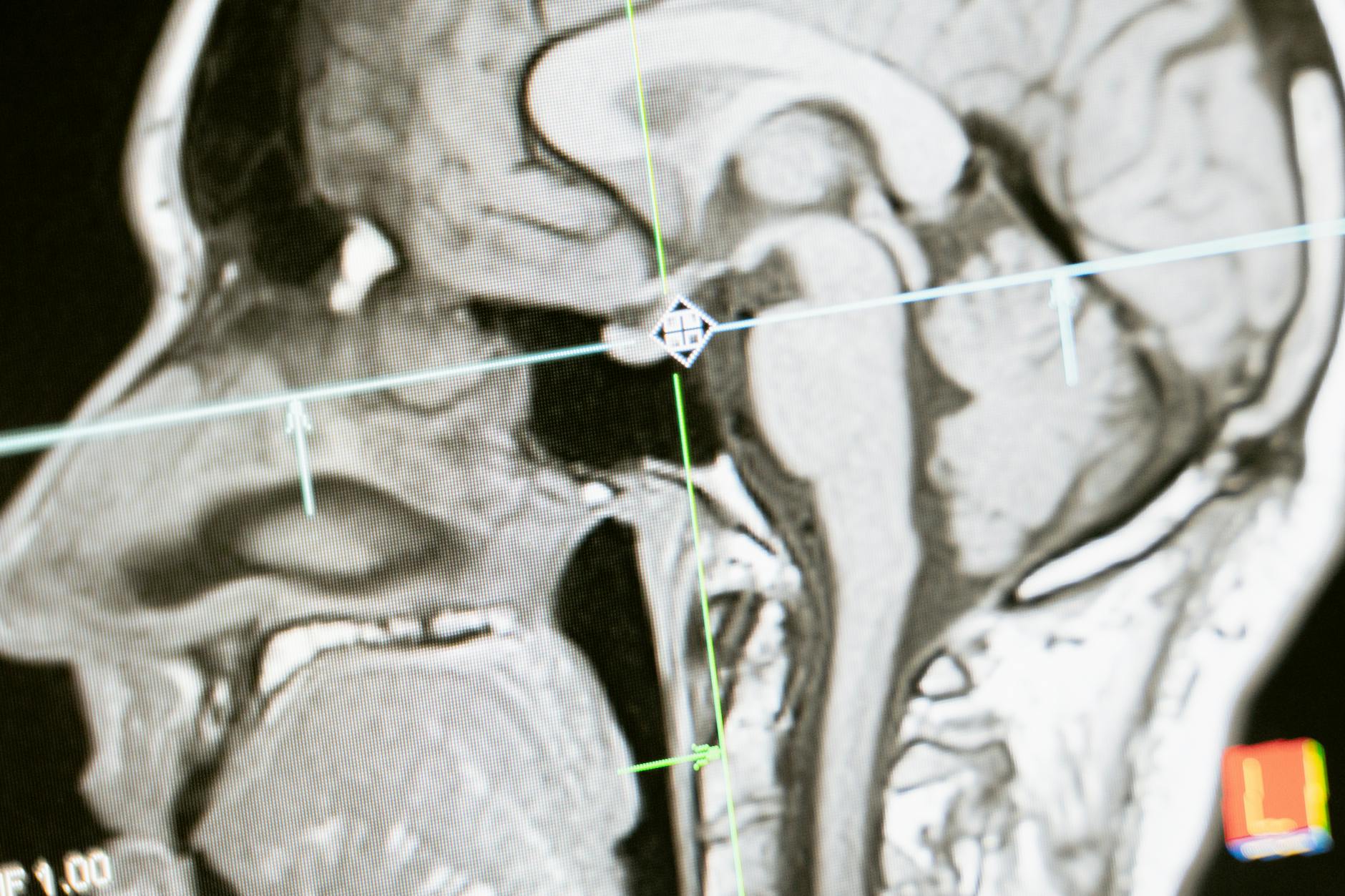
Understanding Stroke Recrudescence: When Old Symptoms Reappear Experiencing a stroke is a life-altering event, and for many, the journey to recovery is long and complex. However, some individuals may encounter a phenomenon known as stroke recrudescence, or post-stroke recrudescence (PSR). This condition involves the temporary return of symptoms that were present after the initial stroke, without any new brain damage occurring. While it can be alarming, understanding stroke recrudescence is crucial for accurate diagnosis and appropriate management, preventing unnecessary anxiety and interventions. What is Stroke Recrudescence? Stroke recrudescence refers to the temporary reappearance or worsening of neurological deficits that were experienced after a previous stroke. It's important to distinguish this from a new stroke or a relapse, which involves new brain injury or progression of the underlying condition. In recrudescence, the symptoms mimic those of the original stroke but do not indicate a fresh stroke event. This condition can affect individuals who have had both ischemic (clot-related) and hemorrhagic (bleeding-related) strokes, and it appears to be more common in those who experienced larger initial strokes. While the exact prevalence is difficult to pinpoint, it's estimated that around 10% of people seeking medical attention for transient neurological issues might be experiencing recrudescence. Causes of Stroke Recrudescence The return of old stroke symptoms is often triggered by various physiological stressors that can disrupt the body's delicate balance. These triggers can make the brain more susceptible to temporary symptom recurrence. Common causes include: Infection: The body's inflammatory response to an infection, such as a urinary tract infection (UTI) or pneumonia, can impact brain function and lead to the reappearance of stroke symptoms. Dehydration: Insufficient fluid intake can lead to changes in blood volume and electrolyte balance, potentially affecting brain activity and triggering symptoms. Hyponatremia: This condition, characterized by low sodium levels in the blood, can cause swelling in brain cells and manifest as neurological symptoms. Certain Medications: Some medications can have side effects that mimic stroke symptoms or interact in ways that trigger their return. Stress and Fatigue: Significant physical or emotional stress, as well as extreme fatigue, can also act as triggers for stroke recrudescence. Recrudescence vs. Relapse: What's the Difference? It's vital to differentiate between stroke recrudescence and a stroke relapse, as their implications for treatment and prognosis differ significantly. Recrudescence: This is the temporary return of *old* stroke symptoms without any *new* brain damage. The symptoms typically resolve once the underlying trigger is addressed. Think of it as an echo of the original event. Relapse: This term often implies a recurrence or worsening of stroke symptoms that suggests a *new* stroke event or a progression of the underlying disease process. A relapse may require more intensive medical intervention and indicates ongoing damage or risk. While 'recrudescence' is a more precise medical term for the temporary return of old symptoms, 'relapse' is sometimes used more broadly, especially in informal discussions. Always clarify with your healthcare provider to understand the exact nature of your symptoms. Symptoms of Stroke Recrudescence The symptoms of stroke recrudescence are essentially a temporary reappearance or worsening of the neurological deficits experienced during the initial stroke. The specific symptoms can vary widely depending on which part of the brain was affected by the original stroke. However, common manifestations include: Weakness or Numbness: Often affecting one side of the body, including the face, arm, or leg. Speech Difficulties: Trouble speaking clearly (slurred speech), finding the right words, or understanding what others are saying. Vision Problems: Temporary changes in vision, such as blurred vision, double vision, or loss of vision in one or both eyes. Coordination and Balance Issues: Difficulty with walking, maintaining balance, or performing coordinated movements. Sensory Changes: Altered sensations, such as tingling or a complete loss of sensation on one side of the body. A key characteristic of recrudescence is that these symptoms are usually abrupt and resolve relatively quickly, often within 24 hours, once the triggering factor is managed. They do not indicate new brain injury. Diagnosing Stroke Recrudescence Diagnosing stroke recrudescence involves a careful evaluation to distinguish it from a new stroke or other neurological conditions. Healthcare professionals employ a multi-faceted approach: Detailed Medical History: The doctor will thoroughly review your past stroke history, focusing on the specific symptoms experienced during the initial event and any recent triggers like infections or changes in medication. Neurological Examination: A comprehensive exam is performed to assess your current neurological function and compare it with your known deficits from the previous stroke. Brain Imaging (MRI/CT Scan): Imaging tests are crucial. In cases of recrudescence, MRI or CT scans will typically show the old stroke damage but will *not* reveal any new acute lesions or areas of recent injury. Diffusion-weighted imaging (DWI) is particularly important as it can detect new ischemic events, and in recrudescence, it should show no new abnormalities. Ruling Out Other Conditions: Doctors will also consider and rule out other conditions that can mimic stroke symptoms, such as transient ischemic attacks (TIAs), migraines, seizures, or metabolic disturbances. The absence of new lesions on advanced imaging techniques like DWI, coupled with the presence of identifiable triggers and a history of previous stroke, are key indicators pointing towards recrudescence rather than a new stroke event. Treatment and Management The primary goal in managing stroke recrudescence is to identify and address the underlying trigger. Treatment is generally supportive and focused on resolving the cause: Treating the Trigger: If an infection
In summary, timely diagnosis, evidence-based treatment, and prevention-focused care improve long-term health outcomes.