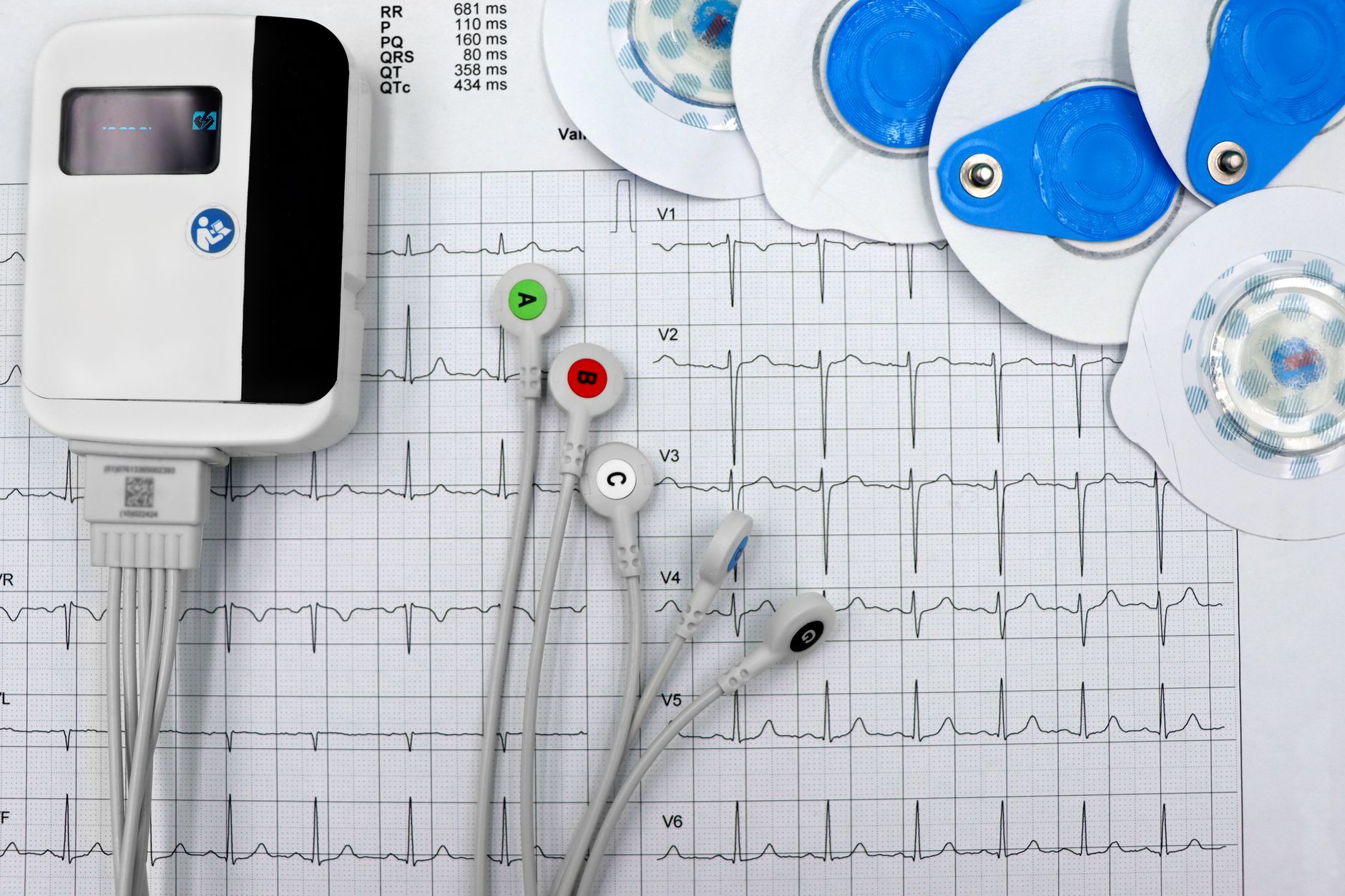
Understanding SVT and AFib: Key Differences in Heart Rhythm Disorders Irregular heartbeats, often referred to as arrhythmias, can be a cause for concern. Two common conditions that fall under this umbrella are Supraventricular Tachycardia (SVT) and Atrial Fibrillation (AFib). While both involve a rapid heart rate due to abnormal electrical activity in the heart, they differ significantly in their origin, symptoms, and potential risks. This article aims to clarify these distinctions, providing essential information for individuals in India seeking to understand these conditions better. What are SVT and AFib? Supraventricular Tachycardia (SVT): The term 'supra' means 'above,' and 'ventricular' refers to the lower chambers of the heart. SVT, therefore, describes a rapid heartbeat originating from electrical signals above the ventricles. It's essentially an abnormally fast heart rhythm that starts in the upper part of the heart's electrical system. The heart rate in SVT can often exceed 100 beats per minute and may return to normal abruptly within minutes to hours. Atrial Fibrillation (AFib): AFib is characterized by an irregular and often rapid beating of the heart's upper chambers, the atria. Unlike SVT, where the electrical signal is typically organized but too fast, AFib involves chaotic electrical signals in the atria, leading to uncoordinated contractions. Some individuals with AFib may not experience noticeable symptoms, while others might feel a fast, pounding heartbeat. The episodes of AFib can also vary in duration, lasting from minutes to hours. Similarities Between SVT and AFib Despite their differences, SVT and AFib share some common ground: Cause: Both conditions stem from problems with the heart's electrical signaling system. Rapid Heart Rate: Both typically result in a heart rate that exceeds the normal resting rate (usually above 100 beats per minute). Episodic Nature: Both can occur in episodes that come and go. Potential Symptoms: While symptoms vary, some overlap can occur, such as palpitations or a feeling of a racing heart. Key Differences: SVT vs. AFib The primary distinctions lie in the origin of the abnormal electrical activity and the pattern of the heartbeat: Origin of Electrical Activity Your heart's natural pacemaker is the sinoatrial (SA) node, which initiates the electrical signal for a normal heartbeat. This signal travels through the atrioventricular (AV) node to the ventricles, causing them to contract. SVT arises from a problem with the electrical conduction system located at or above the AV node. AFib, on the other hand, is caused by disorganized electrical signals originating from multiple sites within the atria, outside the SA node, leading to chaotic atrial contractions. Heart Rhythm Pattern SVT often involves a regular, albeit fast, rhythm. The electrical circuit is usually well-defined, leading to a consistent rapid beat. AFib, however, is characterized by an irregular and often rapid rhythm. The chaotic electrical activity in the atria prevents them from contracting effectively and in a coordinated manner, leading to an irregular pulse. Subtypes Both conditions can be further classified: SVT Subtypes: Common types include Atrioventricular Nodal Reentrant Tachycardia (AVNRT), Atrioventricular Reentrant Tachycardia (AVRT), and Atrial Tachycardia. AFib Subtypes: AFib is often categorized by its duration and pattern: Paroxysmal AFib: Episodes that stop on their own within 7 days. Persistent AFib: Episodes lasting longer than 7 days, often requiring intervention to restore normal rhythm. Long-Standing Persistent AFib: AFib that has persisted for over 12 months despite treatment attempts. Permanent AFib: A state where normal rhythm cannot be restored, and treatment focuses on rate control and stroke prevention. Symptoms of SVT and AFib While symptoms can vary greatly among individuals, here are some common signs: Symptoms of SVT: Sudden onset of a rapid heartbeat Heart palpitations (feeling of a fluttering or pounding heart) Dizziness or lightheadedness Shortness of breath Chest discomfort or pain Fainting (syncope) Anxiety The heart rate in SVT can abruptly increase and then decrease just as quickly. Symptoms of AFib: Irregular and often rapid heartbeat Palpitations Fatigue Shortness of breath Chest pain or discomfort Dizziness Weakness It's important to note that some people with AFib may have very mild symptoms or no symptoms at all. Causes and Risk Factors Problems with the heart's electrical system are the root cause of both SVT and AFib. Several factors can contribute to these issues: Causes and Risk Factors for SVT: Congenital heart defects (present from birth) Heart disease Thyroid disorders (like hyperthyroidism) Electrolyte imbalances Stress and anxiety Use of stimulants (e.g., caffeine, certain medications) Smoking Alcohol consumption Causes and Risk Factors for AFib: AFib is often associated with underlying heart conditions and other health issues: High blood pressure (hypertension) Coronary artery disease Heart failure Previous heart attack Heart valve problems Thyroid disorders (especially hyperthyroidism) Diabetes Obesity Sleep apnea Chronic lung diseases Excessive alcohol intake Smoking Older age Family history of AFib Conditions that cause stress, inflammation, or damage to heart tissue can trigger AFib. Diagnosis Diagnosing SVT and AFib typically involves a combination of medical history, physical examination, and diagnostic tests: Electrocardiogram (ECG or EKG): This is the primary tool for diagnosing arrhythmias. It records the electrical activity of the heart, helping to identify the pattern and rate of the heartbeat. Holter Monitor: A portable ECG device worn for 24-48 hours or longer to capture intermittent arrhythmias. Event Monitor: Similar to a Holter monitor but records only when the patient activates it during an episode. Echocardiogram: An ultrasound of the heart to assess its structure and function. Blood Tests: To check for underlying conditions like thyroid problems or electrolyte imbalances.
In summary, timely diagnosis, evidence-based treatment, and prevention-focused care improve long-term health outcomes.