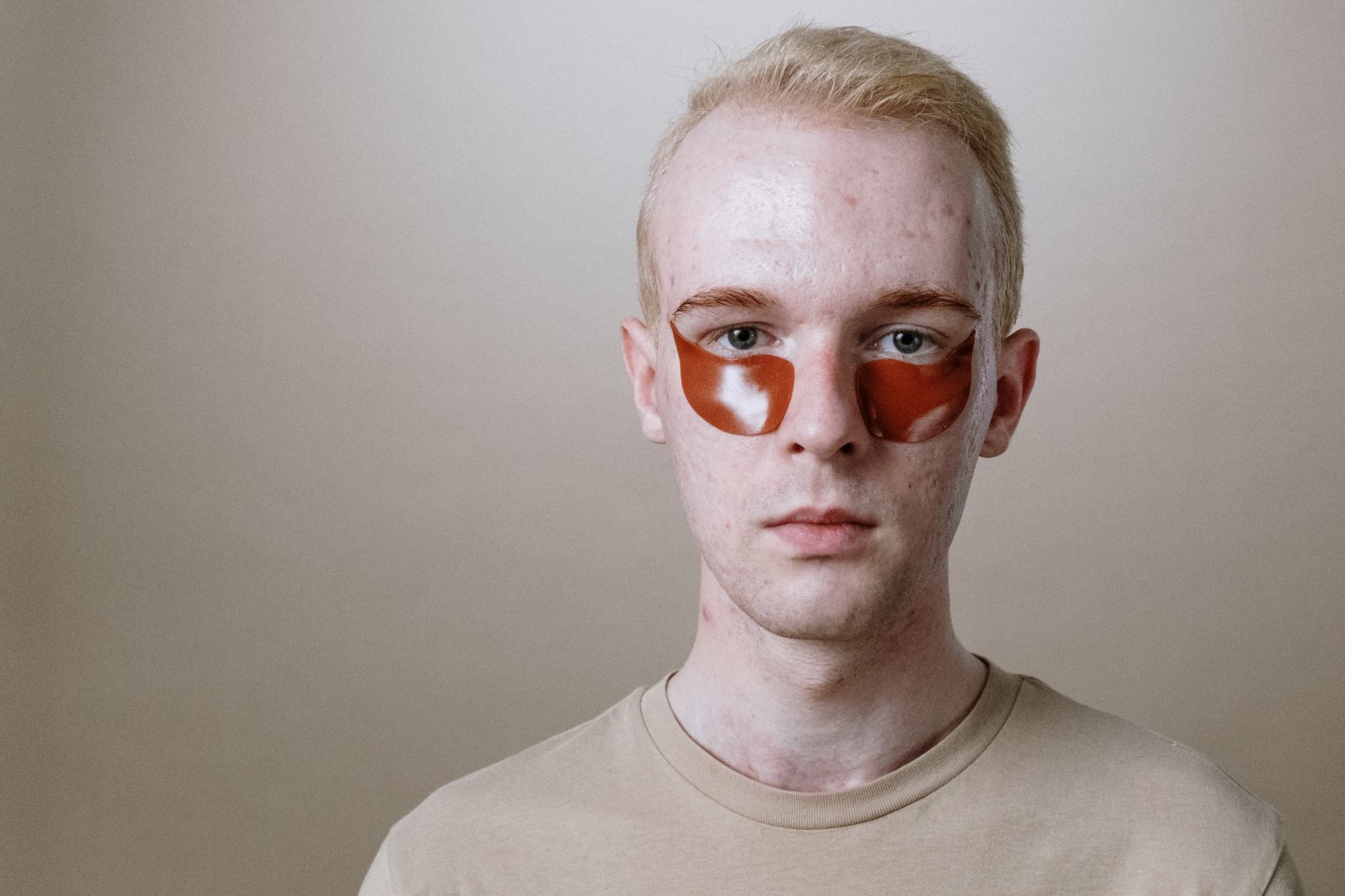
Tretinoin, a powerful derivative of Vitamin A, has been a trusted ally in dermatology for decades. Initially celebrated for its ability to combat mild to moderate acne, its benefits extend far beyond. For nearly 50 years, this prescription-strength topical treatment has been helping individuals achieve clearer complexions. Many formulations now combine tretinoin with antibacterial agents, amplifying its effectiveness against stubborn acne. Clinical studies, like a significant 2017 review, confirm that topical retinoids, including tretinoin, are highly effective in tackling both inflammatory and non-inflammatory acne lesions. If you're struggling with persistent breakouts, understanding tretinoin could be your first step towards relief.
What Exactly is Tretinoin?
Tretinoin is the generic name for synthetic Vitamin A. You might recognize brand names like Retin-A, Altreno, or Renova, but remember, it’s distinct from retinol, another popular Vitamin A derivative. Tretinoin is a potent topical medication, available as a cream or gel, that requires a doctor's prescription. Its primary uses revolve around treating acne and addressing the visible signs of sun-damaged skin, including fine lines and dark spots. While it can't erase deep wrinkles entirely, it can significantly improve the appearance of surface imperfections, promoting a smoother, more youthful look.
How Does Tretinoin Work Its Magic?
It might sound unusual, but tretinoin works by initially causing a mild irritation to the skin. This controlled irritation accelerates the skin cell turnover cycle. Essentially, it prompts your skin cells to divide and shed faster, making way for newer, healthier cells to emerge. This process is key to its effectiveness in both treating acne and reducing the signs of aging. By speeding up cell renewal, tretinoin helps to unclog pores, reduce inflammation associated with acne, and stimulate the production of collagen and elastin, which are vital for skin elasticity and firmness.
Tretinoin vs. Retinol: What's the Difference?
Both tretinoin and retinol belong to the retinoid family, compounds derived from Vitamin A. They share the common goal of enhancing skin appearance by promoting exfoliation and boosting collagen. However, there are key distinctions:
- Retinol: This is the natural form of Vitamin A. It's generally milder, less irritating, and widely available in over-the-counter (OTC) skincare products. While beneficial, it may not offer the same potency as tretinoin for more significant concerns.
- Tretinoin: As a synthetic version, tretinoin is considerably stronger and more potent. Because of its strength, it requires a prescription from a healthcare professional. Its enhanced efficacy makes it suitable for treating more persistent acne and noticeable signs of sun damage.
If you've tried retinol products without achieving your desired results, discussing tretinoin with your dermatologist could be a logical next step.
When Might a Doctor Prescribe Tretinoin?
A dermatologist may recommend tretinoin for several skin concerns:
Treating Acne:
Tretinoin is a cornerstone treatment for acne. With consistent use, it can help clear existing breakouts and significantly reduce the frequency and severity of future acne flare-ups. It works by preventing the formation of new acne lesions and reducing inflammation.
Improving Sun-Damaged Skin:
Exposure to the sun's harmful ultraviolet (UV) rays can lead to premature aging, including fine lines, wrinkles, and dark spots (hyperpigmentation). Tretinoin can help reverse some of these effects by promoting cell turnover and stimulating collagen production, leading to a more even skin tone and texture.
Reducing Fine Lines and Wrinkles:
While not a complete solution for deep wrinkles, tretinoin can effectively diminish the appearance of fine lines and superficial wrinkles. By boosting collagen synthesis, it helps to plump the skin, making these lines less noticeable.
Getting Started with Tretinoin: What You Need to Know
Starting tretinoin treatment involves careful consideration and open communication with your doctor. Here’s what to expect and discuss:
Application Technique:
Proper application is key to maximizing benefits and minimizing side effects. Always apply tretinoin to clean, dry skin. It's often recommended to wash your face and then wait about 20 to 30 minutes before applying the medication. This waiting period ensures your skin is completely dry, which can help reduce potential irritation.
Timeline for Results:
Be patient! You might start noticing improvements within 2 to 3 weeks of consistent use. However, it can take 6 weeks or longer to see the full spectrum of benefits. If you don't observe any improvement after 12 weeks, or if you're unsure about adjusting the frequency of use after seeing results, it's essential to consult your doctor. They can assess your progress and make necessary adjustments to your treatment plan.
Potential Side Effects:
Initial side effects are common and usually temporary. These can include redness, peeling, dryness, and increased sensitivity to sunlight. Your doctor will guide you on how to manage these side effects, often by starting with a lower concentration or less frequent application and gradually increasing as your skin tolerates it. Always use a broad-spectrum sunscreen during the day, as tretinoin makes your skin more susceptible to sun damage.
Important Conversations Before Starting Tretinoin
Before you begin using tretinoin, a thorough discussion with your doctor or dermatologist is vital. Be sure to share the following information:
- Your Skin Condition: Provide detailed information about your specific skin concerns, including the severity and history of acne or sun damage.
- Pregnancy and Breastfeeding: If you are pregnant, planning to become pregnant, or breastfeeding, inform your doctor immediately. There isn't enough conclusive research on tretinoin's safety during pregnancy and breastfeeding, so a careful risk-benefit analysis is necessary.
- Sun Exposure: Let your doctor know if your occupation or lifestyle involves significant sun exposure. This information helps them tailor your treatment and provide appropriate sun protection advice.
- Other Medications: List all medications you are currently using, including topical treatments, oral medications, and supplements. This helps your doctor identify any potential drug interactions with tretinoin.
A Real-Life Scenario
Consider Priya, a 28-year-old graphic designer whose persistent acne has been a source of frustration for years, despite trying numerous over-the-counter products. She also notices fine lines starting to appear around her eyes. After a consultation, her dermatologist prescribes a low-concentration tretinoin gel, advising her to apply it only at night and to use sunscreen diligently during the day. Priya is initially concerned about peeling but follows her doctor's instructions carefully, starting with applying it every other night. Within six weeks, she sees a noticeable reduction in her acne breakouts and a smoother texture to her skin.
When to Seek Medical Advice
Always consult your doctor or dermatologist if:
- You experience severe or persistent irritation, redness, or peeling that doesn't improve.
- You are not seeing any improvement in your acne or skin texture after 12 weeks of consistent use.
- You become pregnant or plan to conceive while using tretinoin.
- You have questions or concerns about your treatment plan or potential side effects.
Tretinoin can be a highly effective treatment when used correctly under medical supervision. By understanding its benefits, potential side effects, and the importance of professional guidance, you can work towards achieving healthier, clearer skin.
Frequently Asked Questions (FAQ)
Q1: Can tretinoin be used on sensitive skin?
Tretinoin can be irritating, especially when first starting. However, with a doctor's guidance, it can often be used on sensitive skin by starting with a very low concentration and applying it less frequently, gradually increasing tolerance over time.
Q2: How long should I use tretinoin?
The duration of tretinoin use depends on your specific condition and response to treatment. Many people use it long-term for acne management and anti-aging benefits, but this should always be determined in consultation with your doctor.
Q3: Can I use other skincare products with tretinoin?
Yes, but be cautious. Avoid harsh exfoliants, astringents, or products containing high concentrations of alcohol or fragrance, as these can increase irritation. Moisturizing products are generally recommended to combat dryness.
Q4: Does tretinoin cause permanent sun sensitivity?
Tretinoin increases your skin's sensitivity to the sun while you are using it. It does not cause permanent sun sensitivity. Diligent use of sunscreen is crucial during treatment and is always recommended for overall skin health.