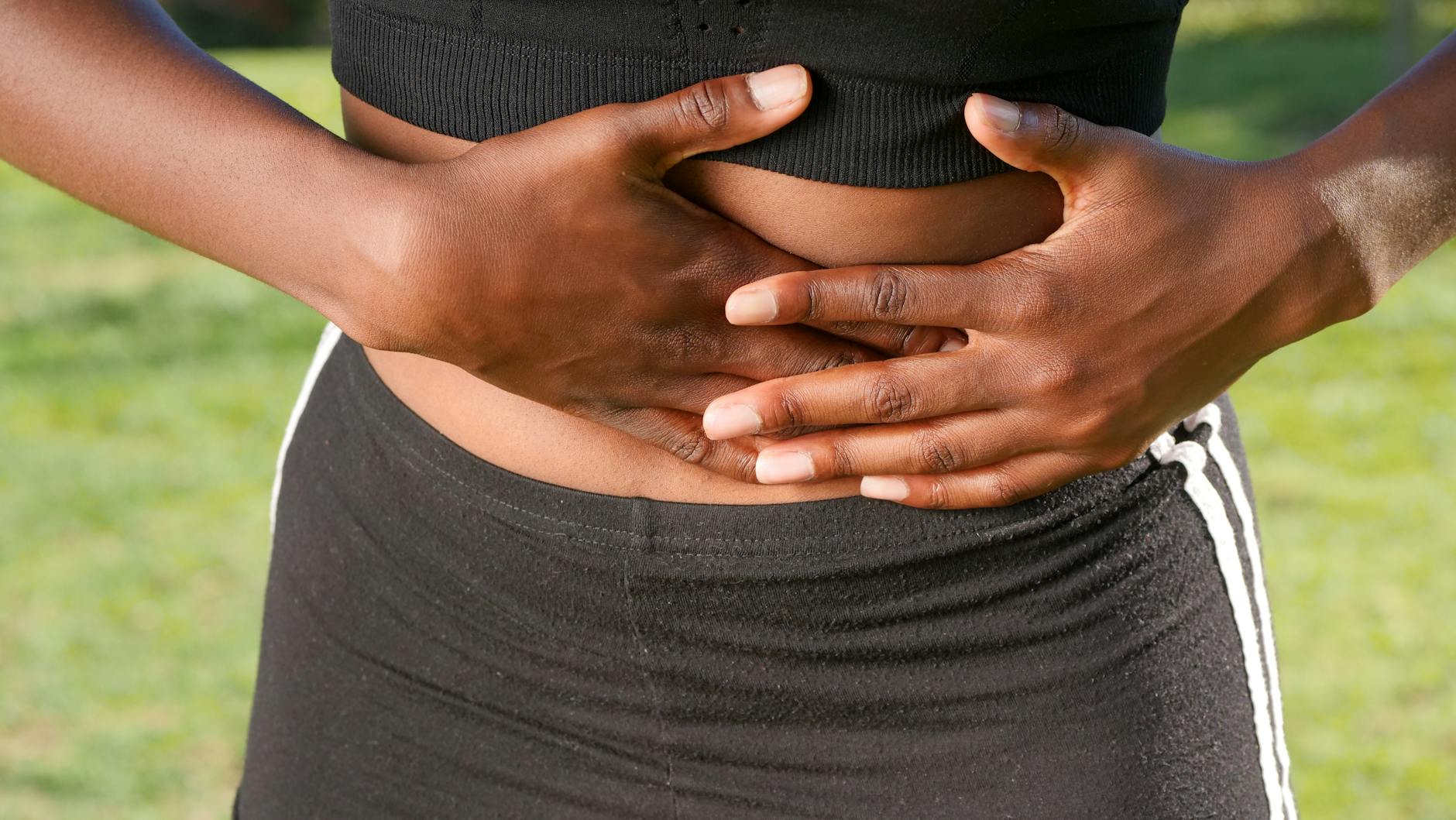
Ulcerative Colitis vs. Diverticulitis: Understanding the Differences
The digestive system is a complex network responsible for breaking down food and absorbing nutrients. When this system is affected by conditions like ulcerative colitis and diverticulitis, it can lead to significant discomfort and health issues. While both conditions impact the colon and share some common symptoms such as abdominal pain and diarrhea, they are fundamentally different diseases with distinct causes, diagnostic approaches, and treatment plans. Understanding these differences is crucial for accurate diagnosis and effective management.
What is Ulcerative Colitis?
Ulcerative colitis (UC) is a chronic inflammatory bowel disease (IBD) that affects the innermost lining of the large intestine, also known as the colon. It is characterized by the development of inflammation and ulcers within the colon. UC is a lifelong condition, meaning that individuals diagnosed with it will have it permanently. However, with appropriate medical care and treatment, many people can effectively manage their symptoms and lead fulfilling lives.
Causes of Ulcerative Colitis
The exact cause of ulcerative colitis remains unknown, but medical experts believe a combination of factors may contribute to its development:
- Genetics: A family history of ulcerative colitis can increase an individual's predisposition to developing the condition. Certain inherited genes may play a role.
- Immune System Dysfunction: It is theorized that UC may arise from an abnormal immune system response where the body mistakenly attacks its own healthy tissues in the colon.
- Microbiome Imbalances: The balance of bacteria, viruses, and fungi in the digestive tract, known as the microbiome, might influence the onset of UC. Alterations in this delicate ecosystem could trigger inflammation.
- Environmental Factors: External influences and lifestyle factors, particularly in individuals with a genetic predisposition, are thought to contribute to the development of ulcerative colitis.
Symptoms of Ulcerative Colitis
The symptoms of ulcerative colitis can vary significantly from person to person and may range from mild to severe. Common symptoms include:
- Persistent diarrhea, often with blood or pus
- Abdominal pain and cramping
- Rectal bleeding
- Urgency to defecate
- Inability to defecate despite urgency
- Weight loss
- Fatigue
- Fever
What is Diverticulitis?
Diverticulitis is a condition that occurs when small, bulging pouches, known as diverticula, that form in the lining of the colon become inflamed or infected. These pouches typically develop in the lower part of the colon, the sigmoid colon. While the presence of these pouches (diverticulosis) is common, especially with age, diverticulitis occurs when these pouches become inflamed or infected, leading to a diverticulitis flare-up.
Causes and Risk Factors for Diverticulitis
While the exact cause of diverticula formation is not fully understood, diverticulitis is more common as people age. Several factors can increase the risk of developing diverticulitis:
- Age: The risk increases significantly with age, with most cases occurring in individuals over 40.
- Low-Fiber Diet: A diet lacking in fiber is believed to be a major contributing factor, as it can lead to increased pressure in the colon.
- Obesity: Being overweight or obese is associated with a higher risk of diverticulitis.
- Lack of Physical Activity: A sedentary lifestyle may also play a role.
- Certain Medications: The use of nonsteroidal anti-inflammatory drugs (NSAIDs) like ibuprofen and aspirin, as well as steroids, has been linked to an increased risk.
- Smoking: Smoking cigarettes can also increase the risk.
Symptoms of Diverticulitis
The symptoms of diverticulitis are primarily digestive and can range from moderate to severe. Typical symptoms include:
- Abdominal pain, often localized to the lower left side of the abdomen
- Nausea and vomiting
- Fever
- Changes in bowel habits, such as constipation or diarrhea
- Bloating and gas
Key Differences Between Ulcerative Colitis and Diverticulitis
Despite some overlapping symptoms, ulcerative colitis and diverticulitis are distinct conditions:
Nature of the Condition
- Ulcerative Colitis: A chronic inflammatory disease affecting the entire colon's inner lining, leading to ulcers. It is a form of IBD.
- Diverticulitis: An acute condition involving inflammation or infection of small pouches (diverticula) that form in the colon wall.
Location of Inflammation
- Ulcerative Colitis: Typically starts in the rectum and extends continuously upwards through the colon.
- Diverticulitis: Most commonly affects the sigmoid colon (lower left side), but can occur elsewhere in the colon.
Cause
- Ulcerative Colitis: Believed to be an autoimmune response, possibly triggered by genetic and environmental factors.
- Diverticulitis: Caused by inflammation or infection of pre-existing diverticula, often linked to diet and age.
Treatment Approaches
- Ulcerative Colitis: Management focuses on reducing inflammation and suppressing the immune response. Medications like aminosalicylates (5-ASA drugs) are common for mild to moderate cases. In more severe cases, corticosteroids, immunomodulators, or biologic therapies may be used. Surgery to remove the colon may be necessary in some instances.
- Diverticulitis: Treatment depends on the severity. Mild cases may be managed with rest, a clear liquid diet, and antibiotics. Severe cases, or those with complications like abscesses or perforations, may require hospitalization, intravenous antibiotics, and potentially surgery to remove the affected part of the colon.
Diagnosis
Accurate diagnosis is essential for appropriate treatment. Doctors may use a combination of methods:
- Medical History and Physical Examination: Discussing symptoms and performing a physical check.
- Blood Tests: To check for signs of inflammation or infection.
- Stool Tests: To rule out infections and check for blood.
- Colonoscopy: A procedure where a flexible tube with a camera is inserted into the colon to visualize the lining, take biopsies, and assess the extent of inflammation or ulcers. This is particularly important for diagnosing UC.
- CT Scan: Often used to diagnose diverticulitis, especially to identify complications like abscesses or perforations.
When to Consult a Doctor
It is important to seek medical attention if you experience any persistent or severe digestive symptoms, including:
- Unexplained abdominal pain, especially if it is severe or localized
- Blood in your stool
- Persistent diarrhea or constipation
- Unexplained weight loss
- Fever
- A feeling of urgency to defecate that doesn't resolve
Prompt medical evaluation can help determine the cause of your symptoms and ensure you receive the correct treatment. Self-diagnosing can be dangerous, and professional medical advice is always recommended.
Prevention
While not all cases can be prevented, certain lifestyle choices may help reduce the risk or manage the severity of these conditions:
- For Diverticulitis:
- Maintain a high-fiber diet: Gradually increase your intake of fruits, vegetables, and whole grains.
- Stay hydrated: Drink plenty of water.
- Exercise regularly: Aim for at least 30 minutes of moderate-intensity exercise most days of the week.
- Maintain a healthy weight.
- Avoid smoking.
- For Ulcerative Colitis:
- While there's no definitive way to prevent UC, managing stress and maintaining a balanced diet may help some individuals.
- Following a doctor's treatment plan is crucial for managing the chronic nature of the disease.
Frequently Asked Questions (FAQ)
- Can diverticulitis lead to cancer?
- While diverticulitis itself is not cancer, some studies suggest that having diverticulitis may slightly increase your risk of developing colorectal cancer over time. Regular screening is important for individuals with a history of diverticulitis.
- Is ulcerative colitis curable?
- Ulcerative colitis is a chronic condition and is not currently curable. However, it can be effectively managed with medication and lifestyle changes, allowing many individuals to achieve remission and live normal lives.
- Can I eat normally if I have diverticulitis?
- During a diverticulitis flare-up, a doctor will likely recommend a clear liquid diet to allow the colon to rest. Once the inflammation subsides, a gradual return to a high-fiber diet is usually advised to help prevent future episodes. However, some individuals may find that certain foods trigger symptoms, and personalized dietary advice from a healthcare provider is recommended.
- What is the main difference in treatment?
- The main difference in treatment lies in their goals. Ulcerative colitis treatment focuses on reducing chronic inflammation and suppressing the immune system. Diverticulitis treatment, especially in acute phases, focuses on clearing infection and reducing inflammation, often with antibiotics and bowel rest, and sometimes surgery for severe cases.