Kidney stones can be a painful and distressing experience, and for many, they are a recurring issue. If you’ve faced this challenge, you might have heard about the role of diet in managing and preventing them. One dietary approach that often comes up is a low-oxalate diet. But what exactly is it, and how can it help? Let’s explore this in detail.
What Are Oxalates?
Oxalates, also known as oxalic acid, are naturally occurring compounds found in many plants, as well as in our own bodies. They aren’t essential nutrients; we don’t need them to survive or thrive. In plants, oxalates can help them manage excess calcium. When we consume foods containing oxalates, our bodies process them. Ideally, oxalates bind with calcium in the digestive tract and are eliminated through stool or urine. However, when too much oxalate passes through to the kidneys, it can combine with calcium there to form calcium oxalate crystals. These crystals can grow and eventually form kidney stones, which are the most common type in India and worldwide.
Why Does Diet Matter for Kidney Stones?
Your diet plays a significant role in your overall health, and it’s particularly important when it comes to kidney stone prevention. Certain foods can increase the substances in your urine that lead to stone formation, while others can help prevent it. For those prone to calcium oxalate stones, managing oxalate intake is a key strategy. It’s not just about avoiding certain foods, but also about how you eat them.
Consider Mrs. Sharma, a 55-year-old homemaker from Delhi. She had already experienced two episodes of kidney stones in five years, and the pain was unbearable. Her doctor suggested dietary changes, including a low-oxalate approach, and asked her to pay attention to what she ate, especially with her calcium-rich dals and leafy greens.
The Link Between High Oxalate Foods and Kidney Stones
Foods that are particularly high in oxalates include many common plant-based staples. These are often healthy foods in their own right, which can make dietary changes tricky. Generally, foods containing 10 mg or more of oxalate per serving are considered high oxalate foods.
Foods to Be Mindful Of (High Oxalate Sources):
- Vegetables: Spinach, beet greens, rhubarb, Swiss chard, potatoes (especially with skin), sweet potatoes, okra, and most beans.
- Fruits: Berries (raspberries, blackberries, blueberries), figs, kiwi, and most citrus fruits when consumed in large quantities.
- Nuts and Seeds: Almonds, cashews, peanuts, and sesame seeds.
- Legumes: Soy products (tofu, tempeh), lentils, and kidney beans.
- Grains: Wheat bran, buckwheat, and quinoa.
- Other: Chocolate, cocoa powder, and strong tea.
It's important to remember that the oxalate content can vary based on how the food is grown, processed, and even how it's measured. So, lists can sometimes be confusing.
Are All High Oxalate Foods Bad? Not Necessarily!
While it sounds daunting, the good news is that you don't need to eliminate all oxalate-containing foods. Recent research suggests a more balanced approach. Instead of strictly avoiding oxalate-rich foods, the key might be to consume them alongside calcium-rich foods.
When you eat oxalate and calcium together, they bind in your digestive system. This combination is more likely to pass through your body harmlessly, reducing the amount of oxalate that reaches your kidneys. This means you can still enjoy many healthy foods, but with a smarter eating strategy.
The Calcium Connection: A Key Strategy
- Pairing is Key: Eat your spinach or beans with a source of calcium, like a glass of milk, yogurt, or a calcium-fortified food.
- Adequate Calcium Intake: Ensure you're getting enough calcium daily. Low calcium intake can actually increase oxalate absorption and the risk of kidney stones. Aim for recommended daily amounts, which vary by age and gender.
Foods Generally Safe for a Low-Oxalate Diet
The good news is that many foods are naturally low in oxalates or contain none at all. This allows for plenty of variety in your meals.
- Meats and Poultry: Unprocessed meats, chicken, and fish are oxalate-free. However, remember that excessive animal protein can also contribute to stone formation, so portion control is still important (aim for 2-3 servings, or 4-6 ounces, per day).
- Dairy Products: Milk, cheese, and yogurt are generally low in oxalates. Be mindful of sodium in some cheeses and chocolate additives.
- Eggs: A good source of protein with no oxalate.
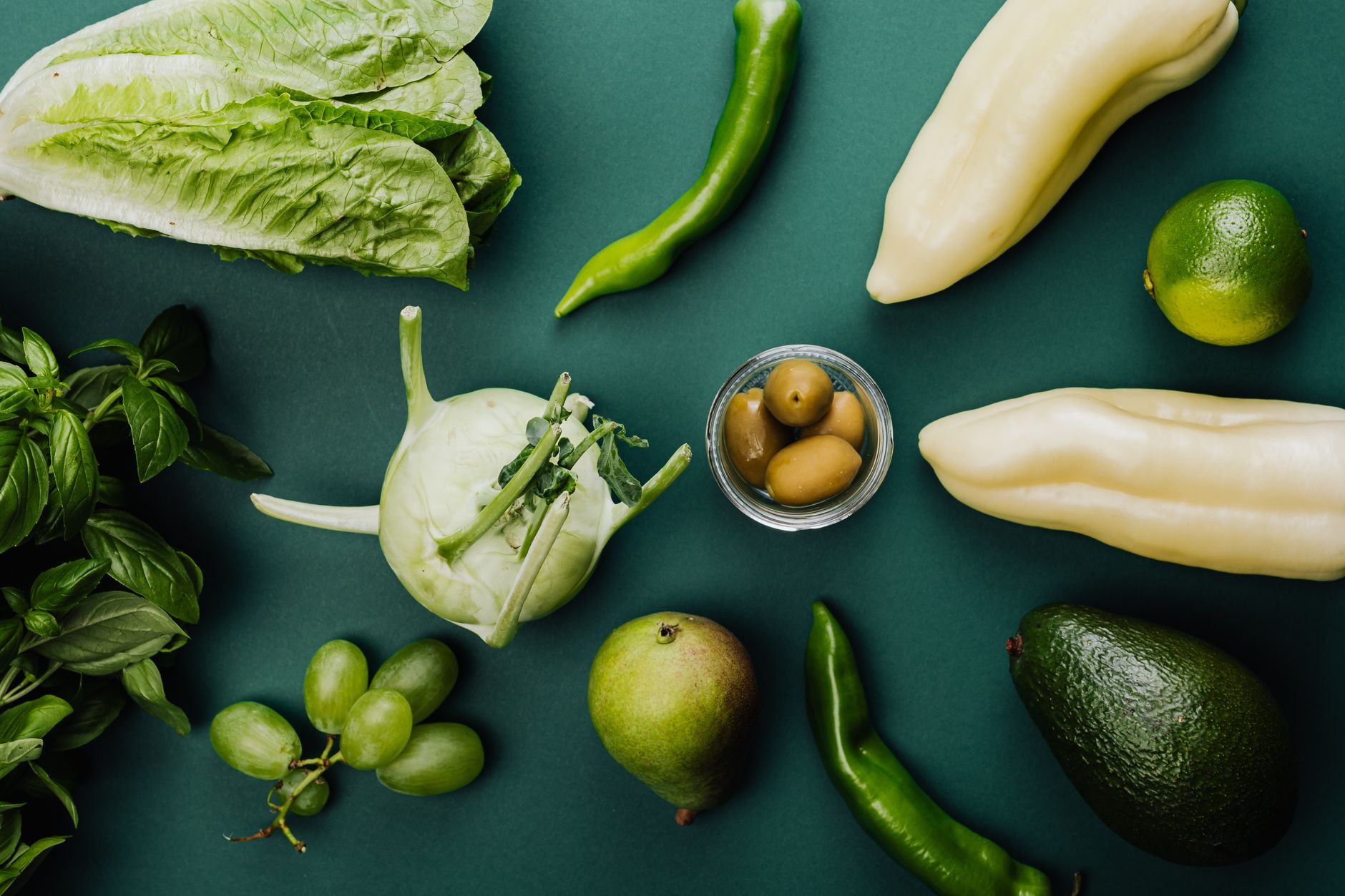
- Certain Fruits: Bananas, apples, grapes, melons, and peaches are typically low in oxalate.
- Certain Vegetables: Broccoli, cauliflower, cabbage, cucumbers, lettuce, and onions are usually safe choices.
- Grains: White rice and white bread are lower in oxalate than their whole-grain counterparts.
Other Important Dietary and Lifestyle Factors
Beyond managing oxalate and calcium intake, several other factors contribute to kidney stone prevention:
- Stay Hydrated: Drinking plenty of fluids, especially water, is paramount. Aim to drink enough water throughout the day to keep your urine diluted and help flush out any small crystals or stones. Spreading your fluid intake is more effective than drinking a lot at once.
- Limit Sodium: High salt intake can increase calcium in your urine, raising stone risk. Reduce processed foods, fast food, and excessive table salt.
- Moderate Animal Protein: As mentioned, very high intake of animal protein can increase stone risk.
- Vitamin C: Be mindful of high-dose Vitamin C supplements. Vitamin C can convert to oxalate in the body. Levels over 1,000 mg per day may increase oxalate levels. It’s best to get Vitamin C from whole foods.
Who Should Consider a Low-Oxalate Diet?
A low-oxalate diet is primarily recommended for individuals who:
- Have a history of calcium oxalate kidney stones.
- Are at high risk of developing kidney stones.
- Have been advised by their doctor or a dietitian to follow this diet.
It's essential to consult with a healthcare professional before making significant dietary changes, especially if you have underlying health conditions.
When to Consult a Doctor
If you experience any of the following symptoms, seek medical attention immediately:
- Severe pain in your side and back, below the ribs.
- Pain that spreads to your lower abdomen and groin.
- Pain that comes in waves and fluctuates in intensity.
- Pain or burning sensation when you urinate.
- Pink, red, or brown urine.
- Cloudy or foul-smelling urine.
- Persistent urge to urinate.
- Nausea and vomiting.
- Fever and chills (if an infection is present).
Your doctor can diagnose the cause of your symptoms and recommend the most appropriate course of action, which may include dietary modifications, medication, or procedures to remove stones.
Frequently Asked Questions (FAQ)
What is the difference between a low-oxalate diet and a no-oxalate diet?
A low-oxalate diet aims to reduce, not eliminate, oxalate intake. It's virtually impossible to avoid oxalates completely, as they are present in many healthy foods. The focus is on reducing intake from high-oxalate sources and balancing them with other nutrients.
Can I still eat fruits and vegetables on a low-oxalate diet?
Yes, absolutely! The key is to choose fruits and vegetables that are lower in oxalate and to pair oxalate-rich ones with calcium-rich foods. Many fruits and vegetables are excellent sources of vitamins, minerals, and fiber, which are vital for overall health.
How long should I follow a low-oxalate diet?
The duration of a low-oxalate diet is typically determined by your doctor or dietitian based on your individual health needs and stone recurrence. It's often a long-term strategy for managing kidney stone risk.
Does drinking lemon water help with kidney stones?
Yes, lemon water can be beneficial. Citrate, found in lemons, can bind with calcium in the urine, helping to prevent stone formation. It also increases urine volume, contributing to stone prevention.