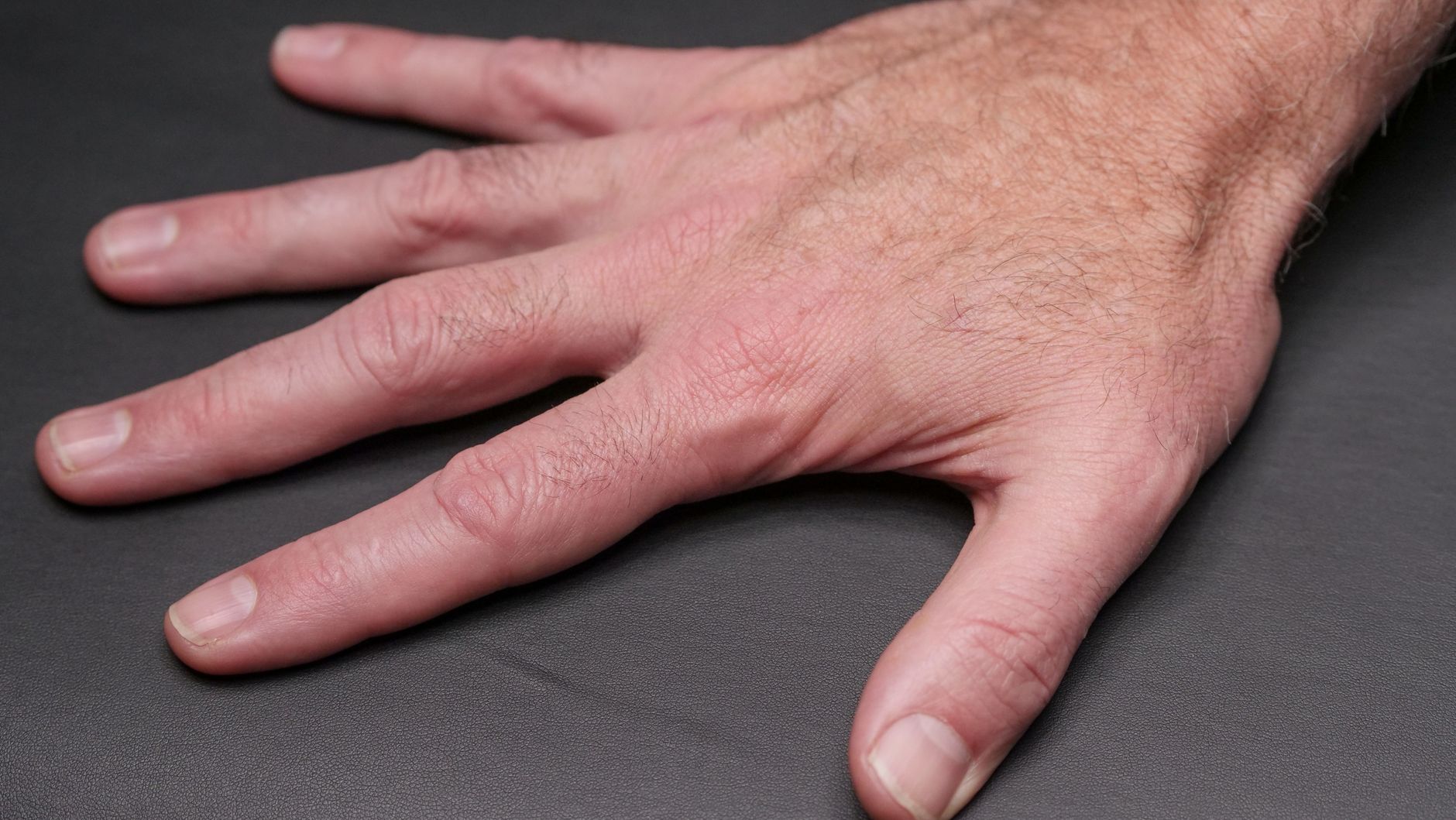
What is Acute Palmoplantar Eczema?
Acute palmoplantar eczema is a chronic skin condition that primarily affects the palms of the hands and sometimes the soles of the feet. It is a specific type of eczema, a broader term for inflammatory skin conditions that cause itchiness, dryness, and redness. Eczema, also known as atopic dermatitis, can be triggered by allergies, irritants, genetic predispositions, and environmental factors. Palmoplantar eczema specifically targets the hands and feet, and the 'acute' form is characterized by the sudden onset of deep, fluid-filled blisters that can resemble tapioca pudding.
This condition affects both men and women equally and is more prevalent in individuals under the age of 40. Certain factors can increase the risk of developing acute palmoplantar eczema, including having overactive sweat glands on the palms (palmoplantar hyperhidrosis) and being a tobacco smoker. Understanding the nature of this condition is the first step towards effective management and relief.
Symptoms of Acute Palmoplantar Eczema
The hallmark symptom of acute palmoplantar eczema is the eruption of deep, fluid-filled blisters on the palms and/or soles. These blisters are often described as looking like tapioca pudding. In addition to the blisters, other common symptoms include:
- Intense itching (pruritus)
- Redness and inflammation of the skin
- Dry, cracked skin
- Scaling and peeling of the skin
- Pain and discomfort, especially when the skin is dry or cracked
- Thickened skin (lichenification) in chronic cases
- Sores or weeping from the blisters if they rupture
The severity of these symptoms can vary greatly from person to person and can fluctuate over time, with periods of flare-ups and remission.
Causes of Acute Palmoplantar Eczema
The exact cause of acute palmoplantar eczema is not fully understood, but it is believed to be multifactorial. Several factors are thought to contribute to its development:
- Genetics: A family history of eczema or other allergic conditions (like asthma or hay fever) increases the risk.
- Allergies: Sensitivity to certain substances, such as nickel and other metals, can trigger or worsen the condition.
- Fungal Infections: A history of inflammatory fungal infections on the skin may play a role.
- Overactive Sweat Glands: Individuals with hyperhidrosis (excessive sweating) of the palms and soles are more prone to developing this type of eczema.
- Smoking: Tobacco use is identified as a risk factor.
Beyond these underlying causes, certain triggers can provoke flare-ups in individuals already predisposed to acute palmoplantar eczema. These triggers include:
- Irritants: Exposure to harsh chemicals, detergents, soaps, or solvents that come into contact with the skin.
- Friction: Repeated rubbing or friction on the palms or soles.
- Environmental Factors: Changes in temperature or humidity, and exposure to allergens like dust mites or pet dander.
- Stress: Emotional stress can exacerbate eczema symptoms in some individuals.
Diagnosis of Acute Palmoplantar Eczema
Diagnosing acute palmoplantar eczema typically begins with a thorough clinical examination by a healthcare professional, often a primary care doctor or a dermatologist. The doctor will assess the appearance of the skin, paying close attention to the characteristic blisters and other symptoms.
In some cases, further tests may be conducted to rule out other conditions or to identify specific triggers:
- Skin Biopsy: A small sample of skin may be taken and examined under a microscope to confirm the diagnosis and differentiate it from other skin disorders.
- Patch Testing: If an allergic reaction is suspected, patch testing can be performed to identify specific allergens like metals or chemicals that may be causing the eczema.
- Cultures: If a secondary infection is suspected, a swab of the affected skin may be taken for bacterial or fungal cultures.
It is important to consult a doctor if you suspect you have acute palmoplantar eczema, especially if home treatments are not providing relief.
Treatment for Acute Palmoplantar Eczema
The treatment approach for acute palmoplantar eczema depends on the severity of the symptoms. The primary goals are to reduce inflammation, relieve itching, heal the skin, and prevent infections.
Topical Medications:
These are creams and ointments applied directly to the affected skin:
- Corticosteroids: Potent topical corticosteroids are often prescribed to reduce inflammation and itching. They are typically used for short periods to manage flare-ups.
- Emollients and Moisturizers: Regular application of thick, bland emollients helps to hydrate the skin, repair the skin barrier, and reduce dryness and cracking. These should be used frequently, especially after washing hands.
- Anti-itch Creams: Over-the-counter or prescription creams containing ingredients like pramoxine or menthol can provide temporary relief from itching.
Systemic Medications:
For more severe or persistent cases, oral medications may be necessary:
- Oral Corticosteroids: In severe flare-ups, a short course of oral steroids might be prescribed to quickly reduce inflammation.
- Antibiotics or Antifungals: If a secondary bacterial or fungal infection develops, appropriate antibiotic or antifungal medications will be prescribed.
- Immunosuppressants: For very severe and chronic cases that do not respond to other treatments, systemic immunosuppressants like calcineurin inhibitors (e.g., tacrolimus) or mycophenolate mofetil might be considered under close medical supervision.
Other Therapies:
- Wet Wraps: In some cases, wet wrap therapy, where medicated or moisturized bandages are applied to the skin, can help to soothe and hydrate the affected areas.
- Phototherapy: Light therapy, using specific wavelengths of ultraviolet light, may be an option for some individuals.
It is crucial to follow your doctor's treatment plan diligently and to report any worsening symptoms or side effects.
Prevention and Management
Preventing flare-ups of acute palmoplantar eczema involves identifying and avoiding triggers, as well as maintaining good skin care practices:
- Identify and Avoid Triggers: Keep a diary to note potential triggers like certain soaps, detergents, foods, or environmental factors. Minimize contact with known irritants.
- Gentle Skin Care: Use mild, fragrance-free soaps or cleansers. Avoid hot water, which can dry out the skin. Pat the skin dry gently after washing.
- Moisturize Regularly: Apply a thick, emollient moisturizer immediately after washing hands and bathing to lock in moisture.
- Wear Protective Gloves: Use gloves when performing tasks that involve prolonged water exposure, chemicals, or friction. Cotton-lined rubber gloves are often recommended.
- Manage Stress: Practice stress-reduction techniques like deep breathing, meditation, or yoga.
- Avoid Scratching: While difficult, try to avoid scratching, as it can damage the skin and lead to infections. Keep nails short.
- Quit Smoking: If you smoke, quitting can significantly improve your skin health.
When to Consult a Doctor
It is important to seek medical advice if:
- Your symptoms do not improve with home care or over-the-counter treatments within 1 to 2 weeks.
- Your flare-up is severe, with extensive blistering, pain, or signs of infection (e.g., increased redness, warmth, pus, fever).
- The eczema is significantly impacting your daily life, work, or sleep.
- You suspect a secondary infection is present.
- You have a history of this condition and your symptoms are worsening.
Prompt medical attention can help manage the condition effectively and prevent complications.
Frequently Asked Questions (FAQ)
Can acute palmoplantar eczema be cured?
Acute palmoplantar eczema is a chronic condition, meaning it often requires long-term management rather than a complete cure. However, with proper treatment and trigger avoidance, symptoms can be effectively controlled, leading to long periods of remission.
Is acute palmoplantar eczema contagious?
No, acute palmoplantar eczema itself is not contagious. It is an inflammatory skin condition related to the immune system and genetics, not an infection that can be spread from person to person.
What is the difference between acute and chronic palmoplantar eczema?
The 'acute' form is characterized by the sudden onset of symptoms, particularly deep blisters. The 'chronic' form develops over time, often resulting from repeated flare-ups of acute eczema, leading to thickened, leathery skin, persistent dryness, and cracking.
Can diet affect palmoplantar eczema?
While diet is not a direct cause, certain food sensitivities or allergies can trigger eczema flare-ups in some individuals. Identifying and avoiding these specific triggers, if present, can be part of an overall management plan. Consulting a doctor or a registered dietitian can help in this regard.