Unraveling Alzheimer's: The Crucial Role of Biomarkers in Diagnosis and Management
Alzheimer's disease, a progressive neurodegenerative condition, significantly impacts cognitive functions, memory, and overall physical well-being. While often mistaken for natural aging, its early symptoms demand attention. Fortunately, the field of medical science is advancing, and biomarkers are emerging as powerful tools to aid in the early detection, monitoring, and personalized treatment of Alzheimer's. This blog post delves into what biomarkers are, their types, and how they are revolutionizing the approach to Alzheimer's diagnosis and care, particularly for our readers in India.
What Exactly Are Biomarkers?
Biomarkers, short for biological markers, are measurable indicators of your body's biological state. Think of them as 'red flags' that signal a specific biological process is occurring, whether it's a disease progressing, the body responding to treatment, or even a general health status. These can range from specific molecules found in blood or spinal fluid to visible changes in organs or tissues detected through imaging.
Alzheimer's Disease: A Closer Look
Alzheimer's disease is the most common cause of dementia, characterized by a gradual decline in thinking abilities that interferes with daily life. It occurs when abnormal protein deposits, known as beta-amyloid plaques and tau tangles, accumulate in the brain, leading to the progressive deterioration of nerve cells (neurodegeneration). While it typically affects older adults, understanding its early signs is crucial.
The Importance of Biomarkers in Alzheimer's
Given that early symptoms can mimic normal aging, diagnosing Alzheimer's can be challenging. This is where biomarkers become invaluable. They help healthcare professionals:
- Detect the disease early: Identifying the disease in its nascent stages allows for timely intervention.
- Monitor disease progression: Biomarkers can track how the disease is advancing over time.
- Personalize treatment plans: By understanding the specific biological markers, doctors can tailor treatments to individual needs and monitor their effectiveness.
Key Types of Alzheimer's Biomarkers
Several types of biomarkers are used or being researched for Alzheimer's diagnosis and management:
1. Amyloid-Beta (Aβ)
Amyloid-beta is a protein fragment naturally produced during cell metabolism. However, in Alzheimer's, these proteins can clump together to form plaques in the brain. Elevated levels of amyloid-beta, especially when detected through diagnostic imaging, are a strong indicator of Alzheimer's disease processes.
2. Tau Protein
Tau protein normally helps maintain the structure of neurons (nerve cells). In Alzheimer's, tau proteins become abnormal, forming 'tangles' inside neurons, which disrupts cell function and leads to cell death. Measuring tau protein levels or observing tau deposits can provide crucial insights into the development and progression of the disease.
3. Neurofilament Light (NFL)
NFL is a structural protein found in neurons. When neurons are damaged or die, NFL is released into the cerebrospinal fluid (CSF), the fluid surrounding the brain and spinal cord. Detecting NFL in CSF samples can signal ongoing neurodegenerative processes, including those associated with Alzheimer's.
4. Inflammatory Markers
The body's inflammatory response involves various measurable substances, including proteins like interleukin-6 (IL-6) and tumor necrosis factor-alpha (TNF-α). Some research suggests that elevated levels of these pro-inflammatory substances are linked to the development, progression, and even the response to treatment in Alzheimer's disease.
The Future: Blood Biomarkers for Alzheimer's
Currently, many Alzheimer's biomarkers are detected through CSF analysis or advanced imaging techniques. However, a significant area of ongoing research is the development of reliable blood biomarkers. These could offer a less invasive and more accessible way to screen for and monitor Alzheimer's.
One promising blood biomarker being investigated is phosphorylated tau (p-tau). Studies suggest that p-tau levels in blood plasma may accurately differentiate Alzheimer's disease from other neurodegenerative conditions. Other blood markers are also under evaluation.
Genetic Factors in Alzheimer's
Certain genes can influence the risk of developing Alzheimer's. The APOE-e4 gene, for instance, is associated with an increased risk in specific populations. While genetic predisposition is a factor, it doesn't guarantee the development of the disease.
Diagnosis and When to Consult a Doctor
Diagnosing Alzheimer's involves a comprehensive evaluation, including:
- Medical history and cognitive tests: Assessing memory, thinking skills, and daily functioning.
- Neurological examination: Checking reflexes, coordination, and sensory function.
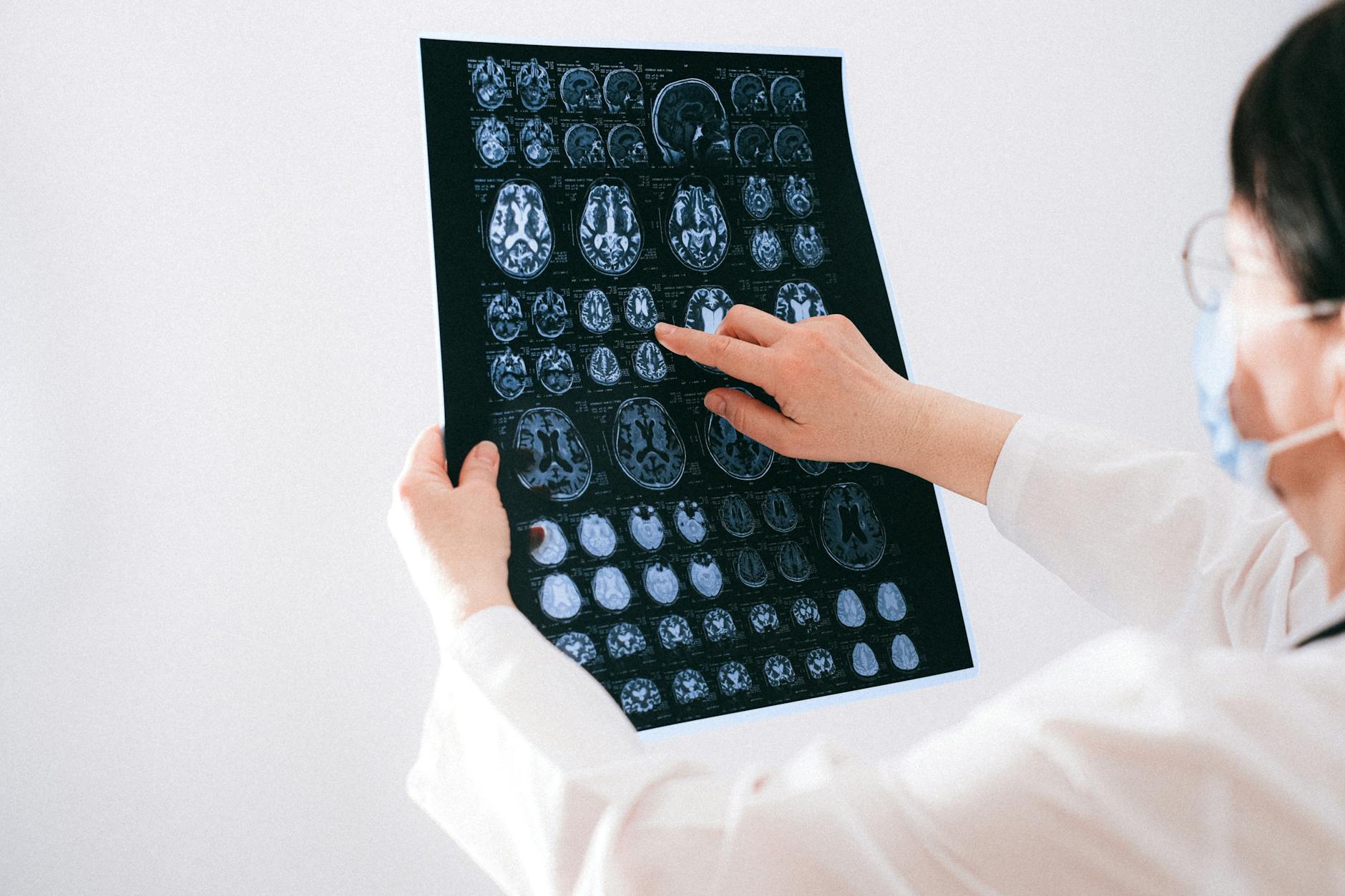
- Biomarker testing: Including CSF analysis, PET scans (to detect amyloid plaques), and potentially blood tests as they become more established.
When to consult a doctor: If you or a loved one experiences persistent memory loss, confusion, difficulty with familiar tasks, changes in personality, or challenges with language, it's crucial to seek medical advice promptly. Early consultation can lead to earlier diagnosis and better management strategies.
Living with Alzheimer's and Support in India
While there is currently no cure for Alzheimer's, advancements in understanding and managing the disease offer hope. Early diagnosis through biomarkers allows for personalized care plans that can help manage symptoms, maintain quality of life, and support both the individual and their caregivers. For those in India, understanding these diagnostic tools is the first step towards accessing appropriate care and support systems. Local healthcare providers and patient support groups can offer valuable resources and guidance.
This information is for educational purposes only and does not constitute medical advice. Always consult with a qualified healthcare professional for any health concerns or before making any decisions related to your health or treatment.