What is Macular Degeneration?
Macular degeneration, often referred to as Age-Related Macular Degeneration (AMD), is a common eye condition that affects millions worldwide, and particularly those over the age of 65. It is a leading cause of vision loss and blindness in this age group. In India, as our population ages, understanding and managing AMD becomes increasingly crucial. This condition primarily impacts the macula, a small but vital part of the retina responsible for sharp, central vision – the vision we use for reading, driving, and recognizing faces. When the macula is damaged, central vision can become blurred or lost, while peripheral (side) vision usually remains unaffected.
Types of Macular Degeneration
There are two main types of macular degeneration:
- Dry Macular Degeneration: This is the more common form, accounting for about 85-90% of cases. It develops gradually when small, yellowish deposits called drusen form under the macula. Over time, these deposits can cause the light-sensitive cells in the macula to thin and die, leading to blurred central vision.
- Wet Macular Degeneration: This form is less common but often more severe, accounting for about 10-15% of cases. It occurs when abnormal blood vessels grow beneath the retina and macula. These new blood vessels are fragile and can leak fluid or blood, causing rapid and significant damage to the macula and leading to distorted or lost central vision. Wet AMD typically progresses much faster than dry AMD.
Symptoms of Macular Degeneration
The symptoms of macular degeneration can vary depending on the type and stage of the disease. Early stages might not present any noticeable symptoms. However, as the condition progresses, individuals may experience:
- Blurred or reduced central vision.
- Difficulty seeing in dim light.
- A blurred or blind spot in the center of the visual field.
- Distortion of straight lines; straight lines may appear wavy or bent.
- Colors may appear less bright or vivid.
- Difficulty reading or recognizing faces.
It's important to note that macular degeneration does not cause complete blindness, as peripheral vision is typically preserved. However, the loss of central vision can significantly impact daily life.
Causes and Risk Factors
While the exact cause of macular degeneration is not fully understood, several factors are known to increase the risk:
- Age: The risk increases significantly after the age of 60.
- Genetics: A family history of macular degeneration increases your risk.
- Smoking: Smokers are at a much higher risk of developing AMD compared to non-smokers. Quitting smoking is one of the most effective ways to reduce your risk.
- Race: Caucasians are more likely to develop AMD than people of African descent.
- Cardiovascular Disease: Conditions like high blood pressure and heart disease may be linked to an increased risk of AMD.
- Diet: A diet low in fruits and vegetables and high in processed foods may contribute to the risk.
Diagnosis of Macular Degeneration
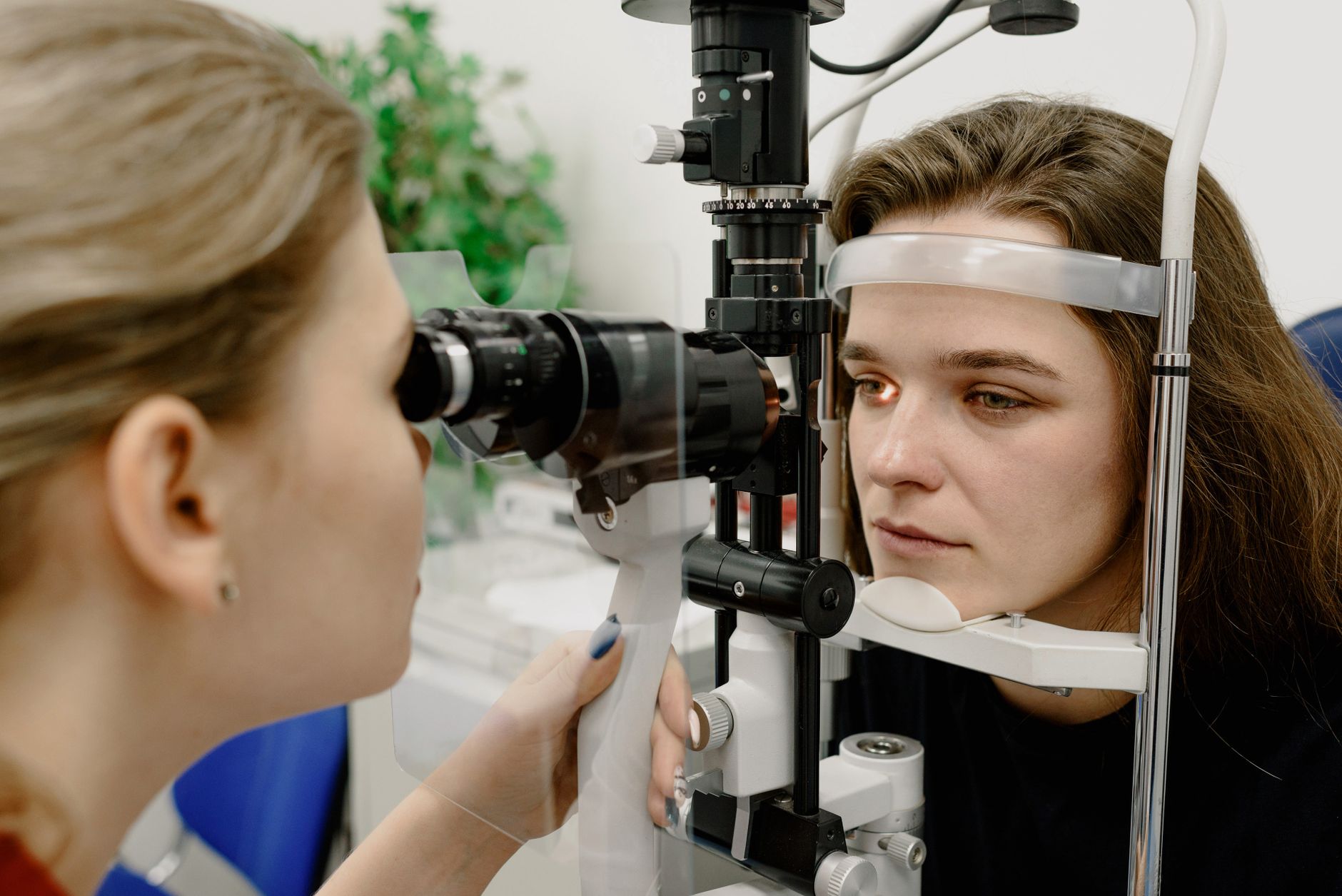
Early diagnosis is key to managing macular degeneration and slowing its progression. An eye care professional, such as an ophthalmologist, can diagnose AMD through a comprehensive eye examination, which typically includes:
- Visual Acuity Test: Measures how well you can see at various distances.
- Amsler Grid Test: A simple grid used to detect visual disturbances like waviness or blind spots in the central vision. Patients are often given this to use at home for regular monitoring.
- Dilated Eye Exam: Drops are used to widen the pupils, allowing the doctor to examine the retina and macula for signs of drusen, pigment changes, or abnormal blood vessels.
- Optical Coherence Tomography (OCT): This imaging test provides detailed cross-sectional images of the retina, helping to detect fluid leakage or swelling in wet AMD.
- Fluorescein Angiography: A dye is injected into an arm vein, and photographs are taken as the dye travels through the blood vessels in the retina. This helps identify leaking or abnormal blood vessels in wet AMD.
Treatment and Management Strategies
While there is currently no cure for macular degeneration, several treatments and lifestyle modifications can help slow its progression and manage symptoms, particularly for intermediate to advanced stages. The approach often depends on whether it is dry or wet AMD.
For Dry Macular Degeneration:
- AREDS 2 Supplements: For individuals with intermediate dry AMD in one or both eyes, a specific combination of vitamins and minerals, known as AREDS 2 (Age-Related Eye Disease Study 2), has been shown to reduce the risk of progression to advanced AMD. These supplements typically include Vitamin C, Vitamin E, Lutein, Zeaxanthin, Zinc, and Copper. It is crucial to consult your eye doctor before starting these supplements, as they are not recommended for everyone and may have side effects.
- Dietary Changes: A diet rich in leafy green vegetables (like spinach and kale, which are good sources of lutein and zeaxanthin), colourful fruits, and fish high in omega-3 fatty acids can support eye health.
- Lifestyle Modifications: Quitting smoking is paramount. Regular exercise and maintaining a healthy weight are also beneficial.
For Wet Macular Degeneration:
- Anti-VEGF Injections: Vascular Endothelial Growth Factor (VEGF) is a protein that promotes the growth of abnormal blood vessels. Medications that block VEGF are injected directly into the eye. These injections, such as Ranibizumab (Lucentis) or Aflibercept (Eylea), are highly effective in stopping leakage from abnormal blood vessels, preventing further vision loss, and in some cases, improving vision. Treatment typically requires regular injections.
- Photodynamic Therapy (PDT): This treatment involves injecting a light-sensitive drug into the bloodstream. When this drug circulates to the abnormal blood vessels in the eye, a special laser is used to activate the drug, causing the abnormal vessels to close off. PDT is often used in combination with anti-VEGF injections.
- Laser Photocoagulation: In some specific cases of wet AMD, a laser can be used to destroy actively leaking abnormal blood vessels. However, this method can also damage some surrounding healthy tissue and is less commonly used now compared to anti-VEGF therapy.
Can Macular Degeneration Be Prevented?
While macular degeneration cannot be entirely prevented, especially the age-related form, certain lifestyle choices can significantly reduce the risk or slow its progression. These include:
- Quit Smoking: This is the single most important step.
- Eat a Healthy Diet: Focus on fruits, vegetables (especially leafy greens), and fish. Limit processed foods and saturated fats.
- Maintain a Healthy Weight: Obesity is linked to an increased risk of AMD.
- Exercise Regularly: Physical activity benefits overall health, including eye health.
- Protect Your Eyes from UV Light: Wearing sunglasses that block UV rays can help protect your eyes.
- Regular Eye Exams: Early detection is crucial. Get your eyes checked regularly, especially if you are over 50 or have risk factors.
When to Consult a Doctor
It is essential to consult an eye care professional immediately if you notice any of the following changes in your vision:
- Sudden onset of distorted vision (straight lines appearing wavy).
- A sudden decrease in central vision clarity.
- The appearance of new floaters or dark spots in your vision.
- Difficulty seeing in dim light.
Regular eye check-ups are recommended for everyone, particularly for individuals aged 50 and above, or those with a family history of eye diseases like glaucoma or macular degeneration.
Frequently Asked Questions (FAQ)
- Can macular degeneration be cured?
Currently, there is no cure for macular degeneration. However, treatments are available to slow its progression and manage symptoms, especially for wet AMD.
- Will I go completely blind from macular degeneration?
Macular degeneration affects central vision, not peripheral vision. While it can cause significant vision loss and impact daily activities, it does not typically lead to complete blindness.
- Are AREDS 2 supplements effective for everyone with macular degeneration?
AREDS 2 supplements are primarily recommended for individuals with intermediate dry AMD in one or both eyes to reduce the risk of progression. They are not typically recommended for early dry AMD or for people with wet AMD without specific doctor's advice. Always consult your eye doctor before taking any supplements.
- Can lifestyle changes reverse macular degeneration?
Lifestyle changes cannot reverse existing damage from macular degeneration. However, they are crucial in slowing down the progression of the disease and maintaining overall eye health.
- How often should I get my eyes checked if I have macular degeneration?
The frequency of eye exams will depend on the type and stage of your macular degeneration and your doctor's recommendations. For those with intermediate or advanced AMD, more frequent check-ups (e.g., every 3-6 months) are common.
Disclaimer: This information is for general knowledge and informational purposes only, and does not constitute medical advice. It is essential to consult with a qualified healthcare professional for any health concerns or before making any decisions related to your health or treatment.