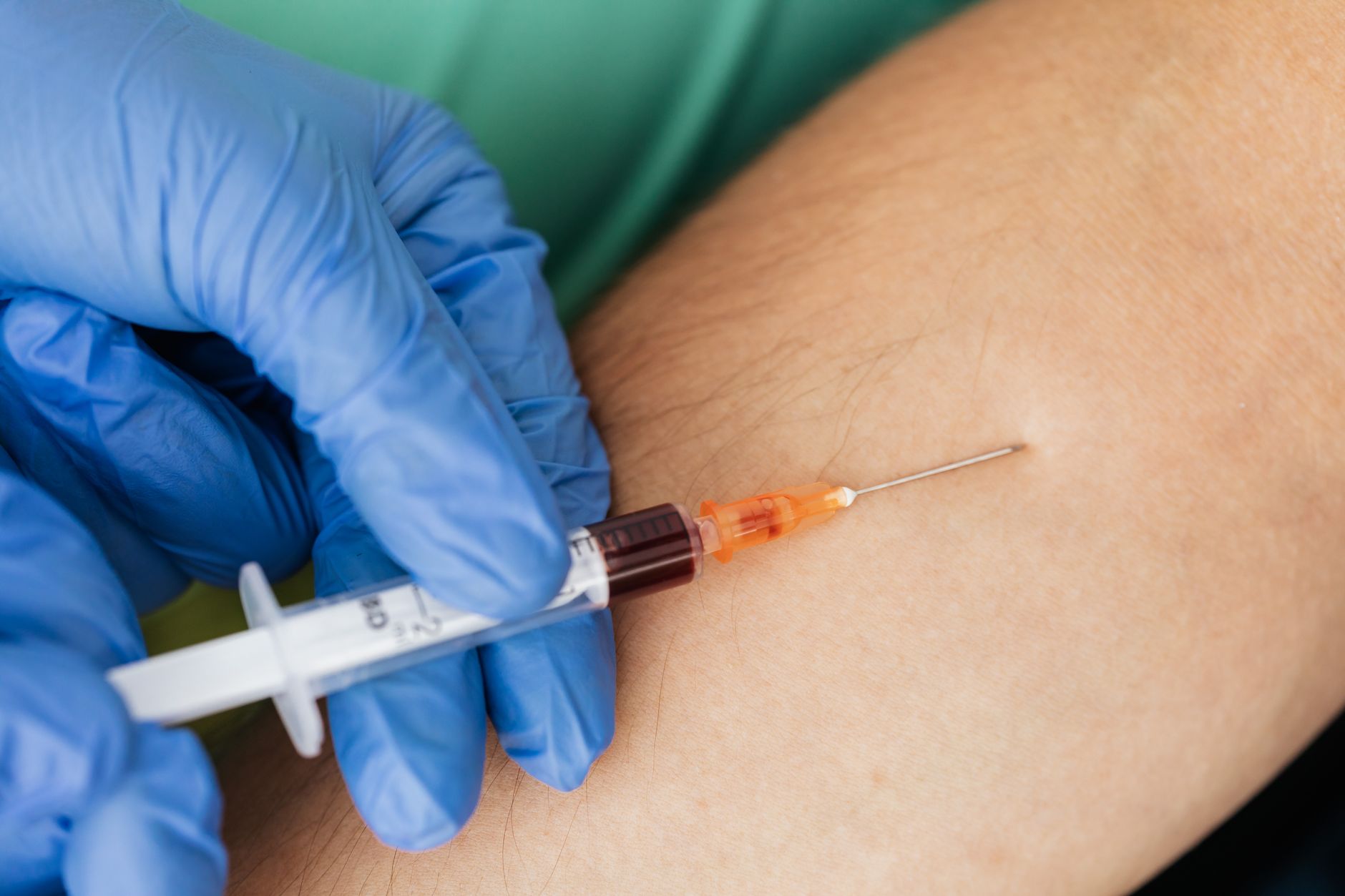
What is Anemia?
Anemia is a common medical condition characterized by a deficiency in the number of red blood cells or the amount of hemoglobin in the blood. Hemoglobin is a protein found in red blood cells responsible for carrying oxygen from the lungs to the rest of the body. When red blood cells are insufficient or hemoglobin levels are low, the body's tissues and organs do not receive adequate oxygen, leading to various symptoms.
In India, anemia is a significant public health concern, particularly among women and children. Factors such as poor nutrition, parasitic infections, and chronic diseases contribute to its high prevalence. Understanding the causes and symptoms of anemia is crucial for early detection and effective management.
Common Symptoms of Anemia
The symptoms of anemia can vary depending on the severity and underlying cause. Some individuals may experience mild or no symptoms, while others can have more pronounced effects. Common signs and symptoms include:
- Fatigue and Weakness: Persistent tiredness and lack of energy are hallmark symptoms.
- Pale Skin: A noticeable paleness in the skin, gums, and inner eyelids.
- Shortness of Breath: Difficulty breathing, especially during physical exertion.
- Headaches: Frequent or persistent headaches.
- Dizziness or Lightheadedness: Feeling unsteady or faint.
- Cold Hands and Feet: Reduced circulation can lead to cold extremities.
- Chest Pain: In severe cases, anemia can strain the heart, causing chest pain.
- Irregular Heartbeat: The heart may beat faster or irregularly to compensate for reduced oxygen.
Causes of Anemia
Anemia can arise from several factors, broadly categorized into three main groups:
1. Decreased Red Blood Cell Production
- Nutritional Deficiencies: Lack of essential nutrients like iron, vitamin B12, and folate is a primary cause, especially in regions with limited dietary diversity.
- Bone Marrow Problems: Conditions affecting the bone marrow, where red blood cells are produced, such as aplastic anemia or certain cancers.
- Chronic Diseases: Long-term illnesses like kidney disease, cancer, or autoimmune disorders can interfere with red blood cell production.
2. Increased Red Blood Cell Destruction (Hemolytic Anemia)
- Inherited Conditions: Genetic disorders like sickle cell anemia and thalassemia, which are more prevalent in certain ethnic groups.
- Autoimmune Disorders: The body's immune system mistakenly attacks and destroys red blood cells.
- Infections: Certain infections can trigger the destruction of red blood cells.
3. Blood Loss
- Menstruation: Heavy menstrual bleeding is a common cause of iron deficiency anemia in women.
- Gastrointestinal Bleeding: Ulcers, polyps, or inflammatory bowel disease can lead to slow, chronic blood loss from the digestive tract.
- Trauma or Surgery: Significant blood loss due to injury or surgical procedures.
Diagnosing Anemia: The Role of Blood Tests
Accurate diagnosis of anemia relies heavily on blood tests. These tests help confirm the presence of anemia, determine its severity, and identify the underlying cause. The most common diagnostic tool is the Complete Blood Count (CBC).
Complete Blood Count (CBC)
The CBC is a comprehensive blood test that provides vital information about the different types of blood cells. For anemia diagnosis, the CBC specifically examines:
- Red Blood Cell (RBC) Count: Measures the total number of red blood cells. Healthy ranges typically are 5 to 6 million cells per microliter (cells/mcL) for men and 4 to 5 million cells/mcL for women. Lower counts indicate anemia.
- Hemoglobin (Hb) Level: Measures the amount of hemoglobin in the blood. Healthy levels are generally above 14 grams per deciliter (gm/dL) for men and above 12 gm/dL for women. Lower levels are indicative of anemia.
- Hematocrit: Represents the percentage of blood volume occupied by red blood cells.
- Mean Corpuscular Volume (MCV): Indicates the average size of red blood cells. A low MCV suggests microcytic anemia (e.g., iron deficiency), while a high MCV suggests macrocytic anemia (e.g., B12 deficiency).
- Mean Corpuscular Hemoglobin Concentration (MCHC): Measures the average concentration of hemoglobin within red blood cells.
Other Important Blood Tests
Depending on the initial CBC results and suspected cause, doctors may order additional tests:
- Iron Studies (Iron Panel/Serum Iron):
These tests assess the body's iron levels, crucial for diagnosing iron deficiency anemia. They typically include:
- Serum Iron: Measures the amount of iron circulating in the blood. Healthy levels start around 10 micromoles per liter (µmol/L).
- Ferritin: Measures the stored iron in the body. Healthy levels start at 40 micrograms per liter (µg/L) for men and 20 µg/L for women. Levels below 10 µg/L are a strong indicator of anemia due to iron deficiency.
- Vitamin B12 and Folate Levels:
These tests are essential to rule out deficiencies in these vitamins, which are critical for red blood cell production. Low levels can lead to megaloblastic anemia.
- Reticulocyte Count:
This test measures the number of immature red blood cells (reticulocytes) in the blood. It helps assess the bone marrow's ability to produce new red blood cells. A high reticulocyte count with low RBCs might suggest blood loss, while low reticulocytes with low RBCs could indicate a production problem.
- Blood Smear (Peripheral Smear):
A small drop of blood is spread on a glass slide, stained, and examined under a microscope. This allows doctors to observe the size, shape, and characteristics of red blood cells, helping to identify specific types of anemia like sickle cell anemia or thalassemia.
Treatment for Anemia
Treatment for anemia is tailored to the underlying cause:
- Iron Deficiency Anemia: Treated with iron supplements and dietary changes rich in iron.
- Vitamin Deficiency Anemia: Managed with vitamin B12 or folate supplements.
- Anemia of Chronic Disease: Focuses on treating the underlying condition and may involve erythropoiesis-stimulating agents (ESAs).
- Hemolytic Anemia: Treatment depends on the cause and may include immunosuppressants, blood transfusions, or splenectomy.
- Anemia due to Blood Loss: Requires identifying and stopping the source of bleeding, followed by replenishment of lost blood components.
Preventing Anemia
Prevention strategies focus on addressing the common causes:
- Balanced Diet: Consume a diet rich in iron (leafy greens, lentils, lean meats), vitamin B12 (dairy, eggs, meat), and folate (citrus fruits, beans, fortified cereals).
- Iron-Rich Foods for Women: Women, especially those with heavy periods, should pay close attention to their iron intake.
- Managing Chronic Conditions: Effective management of underlying diseases can help prevent anemia.
- Prenatal Care: Adequate iron and folate supplementation during pregnancy is vital.
When to Consult a Doctor
It is important to consult a doctor if you experience persistent symptoms of anemia, such as extreme fatigue, pale skin, shortness of breath, or dizziness. Early diagnosis and treatment are key to preventing complications and improving quality of life. If you have a known condition that can cause anemia or a family history of blood disorders, regular check-ups are recommended.
Frequently Asked Questions (FAQ)
- What is the most common type of anemia?
The most common type of anemia worldwide, including in India, is iron deficiency anemia, often linked to inadequate dietary intake or blood loss.
- Can anemia be cured?
Many types of anemia are treatable and manageable. For instance, iron deficiency anemia can often be resolved with iron supplements and dietary changes. However, some inherited anemias may require lifelong management.
- Are there home remedies for anemia?
While a balanced diet rich in iron, B12, and folate is crucial for managing and preventing anemia, it's not a substitute for medical diagnosis and treatment. Relying solely on home remedies without consulting a doctor can be dangerous, especially for severe anemia.
- How quickly can anemia be diagnosed?
Anemia can often be diagnosed quickly, sometimes within the same day, with a Complete Blood Count (CBC) test. Further tests to determine the cause might take a few days.
- Is anemia a serious condition?
Anemia can range from mild to severe. While mild anemia might cause minor symptoms, severe or untreated anemia can lead to serious health complications, including heart problems, fatigue, and developmental issues in children.