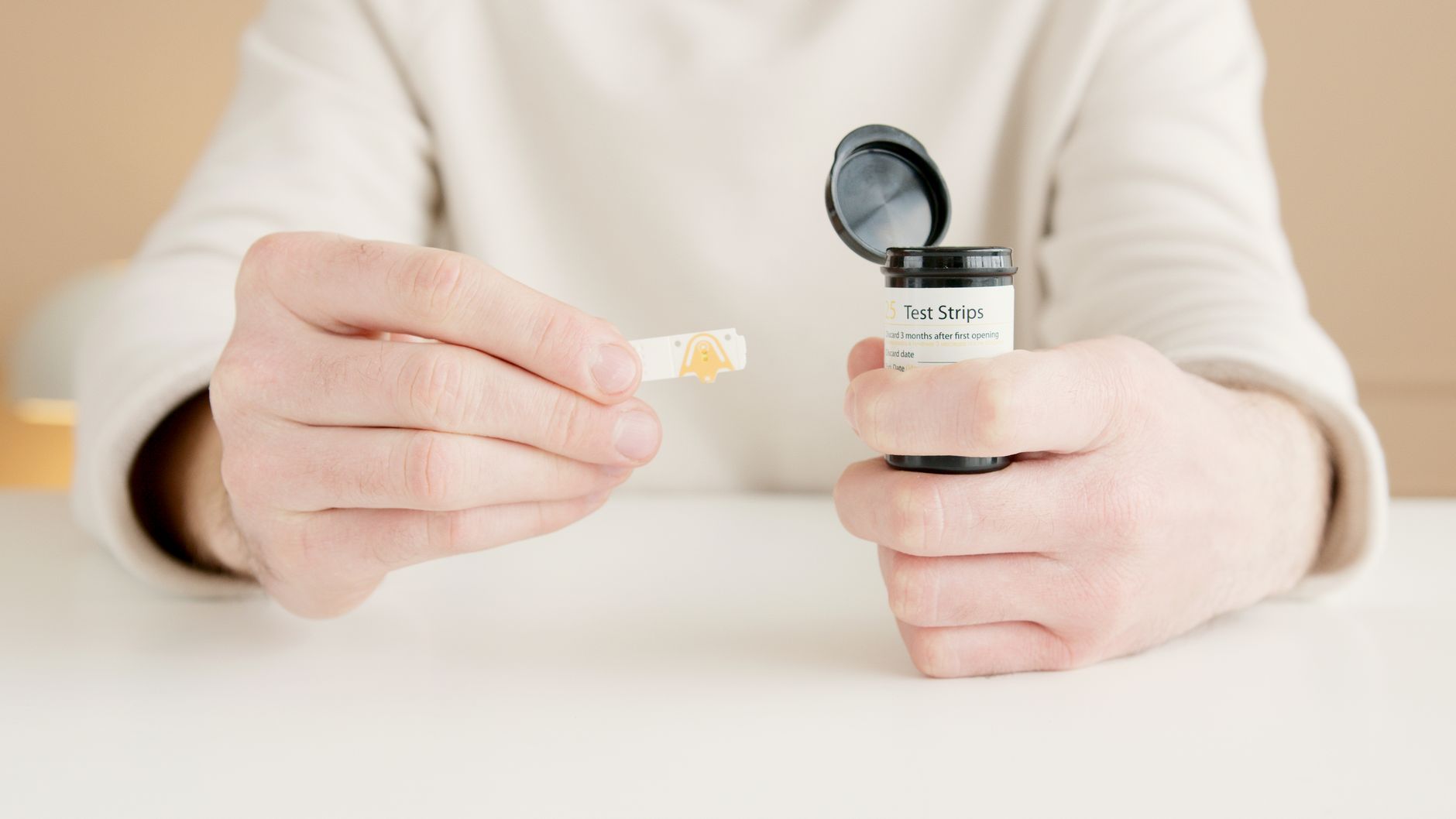
Feeling sluggish? Noticed unexplained weight changes? Your thyroid might be playing a role! The thyroid gland, a small butterfly-shaped organ nestled in your neck, is the master regulator of your body's metabolism. It produces hormones that influence everything from your energy levels and body temperature to your heart rate and digestion. When it's not working correctly, it can throw your whole system out of whack. Traditionally, getting your thyroid checked meant a trip to the doctor, a blood draw at a lab, and a waiting game for results. But what if you could get a preliminary look at your thyroid health from the comfort of your own home? Enter at-home thyroid tests.
These kits have gained popularity, offering a convenient and potentially more affordable way to screen for thyroid issues. For us in India, where access to specialized healthcare can sometimes be a challenge, these tests can be a game-changer. They empower you to take a proactive step in understanding your body and identifying potential concerns early on. But what exactly do these tests measure? How do they work? And most importantly, are they reliable?
What is the Thyroid and Why is it Important?
Before we dive into the tests, let's get acquainted with your thyroid. This small gland, located at the base of your neck just below the Adam's apple, produces two primary hormones: thyroxine (T4) and triiodothyronine (T3). These hormones are essential for regulating your body's metabolic rate – how efficiently your body uses energy. Think of them as the body's thermostat and energy manager.
The pituitary gland, located in your brain, releases thyroid-stimulating hormone (TSH). TSH signals your thyroid gland to produce more or less T4 and T3. The relationship between TSH and thyroid hormones is a delicate balancing act. If your thyroid isn't producing enough hormones (hypothyroidism), your pituitary gland will release more TSH to try and stimulate it. If your thyroid is overactive (hyperthyroidism), your pituitary gland will release less TSH.
Common Thyroid Problems
When this delicate balance is disrupted, several conditions can arise:
- Hypothyroidism: The thyroid gland doesn't produce enough hormones. Symptoms can include fatigue, weight gain, feeling cold, constipation, dry skin, and depression.
- Hyperthyroidism: The thyroid gland produces too much hormone. Symptoms often include weight loss, rapid heartbeat, anxiety, sweating, tremors, and difficulty sleeping.
- Hashimoto's thyroiditis: An autoimmune disease where the body's immune system mistakenly attacks the thyroid gland, often leading to hypothyroidism.
- Graves' disease: An autoimmune disorder that causes the thyroid gland to become overactive, leading to hyperthyroidism.
- Thyroid nodules: Lumps that can form in the thyroid gland. Most are benign, but some can affect thyroid hormone production or, rarely, be cancerous.
- Goiter: An enlargement of the thyroid gland, which can occur with both hyperthyroidism and hypothyroidism.
Why Consider an At-Home Thyroid Test?
In India, regular health check-ups are becoming more common, but sometimes specific concerns might prompt a closer look. At-home thyroid tests offer several advantages:
- Convenience: No need to schedule appointments or travel to a clinic. You can take the test when it suits you.
- Privacy: For those who prefer to manage their health discreetly, these tests offer a private way to screen for issues.
- Early Detection: They can help flag potential problems early, prompting you to seek professional medical advice sooner.
- Cost-Effectiveness: In some cases, at-home tests can be less expensive than traditional lab tests, especially if you're paying out-of-pocket.
- Empowerment: Taking charge of your health and understanding your body better can be incredibly empowering.
How Do At-Home Thyroid Tests Work?
The process is generally straightforward, though it can vary slightly between brands. Here's a typical breakdown:
- Order Your Kit: You order a thyroid test kit online. It usually arrives in a discreet package.
- Prepare for the Test: The kit typically contains a lancet (a small needle for pricking the skin), a collection tube or card, antiseptic wipes, and a biohazard bag for returning your sample. Some kits may also include a small tool to help with blood flow.
- Collect Your Sample: This is the most crucial step. You'll need to collect a small blood sample, usually via a finger prick. It's often recommended to do this in the morning before eating or drinking anything other than water, as this can affect certain hormone levels. Clean your finger thoroughly, use the lancet to prick the skin, and gently squeeze to get a few drops of blood. You'll then transfer this blood into the provided collection tube or onto a special card.
- Activate and Mail Your Sample: Many kits require you to activate your test online or via a QR code before sending it back. This usually involves filling out a short questionnaire about your health history and symptoms. Once collected, carefully package your sample in the provided biohazard bag and mail it back to the designated laboratory. Most kits include pre-paid postage.
- Receive Your Results: The lab analyzes your sample. Results are typically sent to you electronically (via email or a secure online portal) within 2 to 5 business days, though some may take up to 8 days depending on the service and lab volume.
What Do These Tests Measure?
At-home thyroid tests primarily focus on key thyroid hormones and antibodies. The most common ones you'll find are:
- TSH (Thyroid-Stimulating Hormone): This is usually the first indicator of a thyroid problem. High TSH suggests hypothyroidism, while low TSH suggests hyperthyroidism.
- Free T4 (Thyroxine): T4 is the main hormone produced by the thyroid. 'Free' T4 refers to the amount not bound to proteins, which is the biologically active form.
- Free T3 (Triiodothyronine): T3 is the more potent thyroid hormone. 'Free' T3 is the active form.
- TPO Antibodies (Thyroid Peroxidase Antibodies): These antibodies are often elevated in Hashimoto's thyroiditis.
- TGAB (Thyroglobulin Antibodies): Also associated with autoimmune thyroid conditions like Hashimoto's.
Some advanced kits might measure other markers, but these are the core components for a basic thyroid screening.
Interpreting Your Results
Your results will usually come with a reference range provided by the lab. It's important to understand that these ranges can differ slightly between labs. A result falling outside the normal range warrants further investigation.
If your TSH is high: This could indicate hypothyroidism. You might experience symptoms like fatigue, weight gain, and feeling cold.
If your TSH is low: This could signal hyperthyroidism. Symptoms might include a racing heart, weight loss, and anxiety.Abnormal T4 and T3 levels: These can further help pinpoint whether your thyroid is underactive or overactive.Elevated antibodies (TPO, TGAB): This strongly suggests an autoimmune thyroid condition like Hashimoto's or Graves' disease.Important Considerations for Indian Readers
While at-home tests are convenient, it's vital to approach them with the right perspective, especially in the Indian context:
- Not a Replacement for a Doctor: These tests are screening tools, not diagnostic tools. They provide valuable information, but a definitive diagnosis must come from a healthcare professional.
- Follow-up is Key: If your results are abnormal, please, please, consult a doctor immediately. They will likely order further confirmatory tests and discuss appropriate treatment. Don't try to self-medicate or change existing medication based on home test results alone.
- Sample Collection Accuracy: Ensure you follow the instructions precisely. Incorrect sample collection can lead to inaccurate results.
- Lab Quality: Choose reputable brands that partner with accredited laboratories.
- Understanding Nuances: Factors like recent illness, certain medications, and even your menstrual cycle can influence thyroid hormone levels. Your doctor can interpret these nuances better.
- Cost vs. Benefit: While potentially cheaper, weigh the cost against the peace of mind and the importance of professional interpretation.
When to Consult a Doctor Immediately
While at-home tests are for screening, some symptoms require immediate medical attention:
- Sudden, unexplained weight loss or gain.
- Significant changes in heart rate (very fast or very slow).
- Noticeable swelling in your neck.
- Intense fatigue or weakness.
- Unexplained mood changes, such as severe anxiety or depression.
- Extreme sensitivity to heat or cold.
The Future of Thyroid Testing in India
The availability of at-home thyroid tests is a positive step towards more accessible healthcare. As technology advances and more reliable services become available in India, these tests will likely play an even greater role in preventative health. They empower individuals to be more informed participants in their own healthcare journey, bridging the gap until a doctor's visit can be arranged.
Remember, your health is your wealth. Understanding your body, even through a simple finger prick, is a powerful way to safeguard your well-being. Stay informed, stay proactive, and always partner with your healthcare provider.