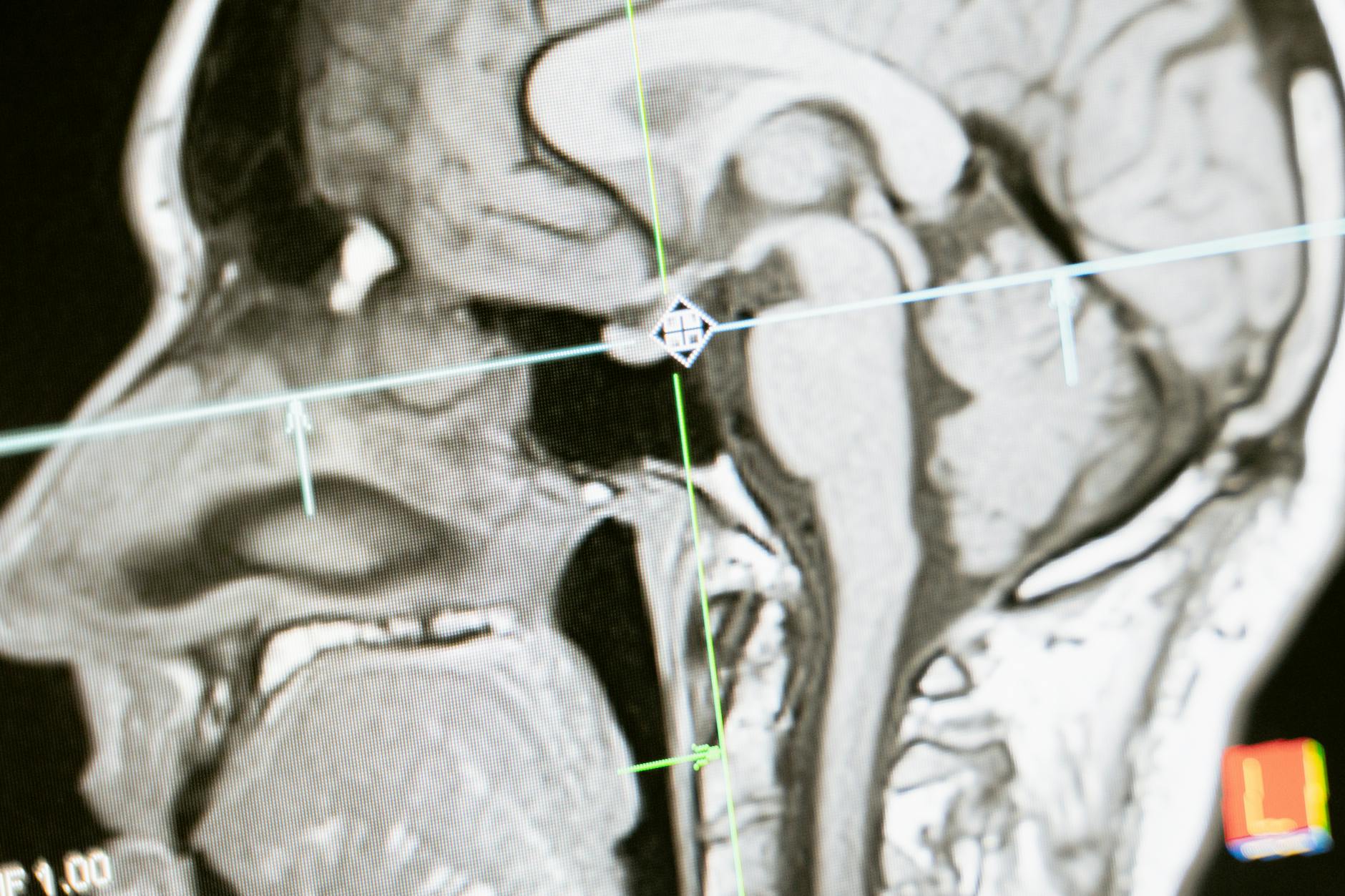
What is Autoimmune Encephalitis? Autoimmune Encephalitis (AIE) is a rare but serious condition where the body's own immune system mistakenly attacks the brain, causing inflammation. Unlike infectious encephalitis, which is caused by viruses or bacteria, AIE is an autoimmune disorder. This means the immune system, which normally protects the body from foreign invaders, turns against its own healthy cells in the brain. This attack leads to inflammation, which can disrupt normal brain function and result in a wide range of neurological and psychological symptoms. AIE is not a single diagnosis but rather a group of disorders that share this common characteristic of an immune response targeting the brain. Experts are still researching the exact triggers for this aberrant immune response, but it's understood to be a non-infectious process where the body's defense mechanisms become misdirected. Symptoms of Autoimmune Encephalitis The symptoms of AIE can vary significantly from person to person and depend on which part of the brain is affected. They often develop rapidly, over a period of weeks to a few months, but can sometimes appear more gradually. Early symptoms can be subtle and easily mistaken for other conditions, making diagnosis challenging. Common symptoms include: Cognitive Changes: Memory problems (difficulty forming new memories or recalling past events), confusion, disorientation, and problems with concentration. Behavioral and Personality Changes: Irritability, aggression, paranoia, hallucinations, delusions, and unusual emotional responses. Seizures: New onset of seizures, which can be focal or generalized. Movement Disorders: Tremors, involuntary movements, muscle stiffness, or difficulty with coordination. Speech and Language Problems: Difficulty finding words, understanding speech, or slurred speech. Psychiatric Symptoms: Symptoms that mimic psychiatric disorders, such as anxiety, depression, or psychosis. Autonomic Dysfunction: Changes in heart rate, blood pressure, body temperature, and breathing patterns. In severe cases, this can lead to breathing difficulties requiring mechanical ventilation. Loss of Consciousness or Coma: In the most severe instances, AIE can lead to a significant decline in consciousness or even a coma. It's important to note that these symptoms can overlap with many other neurological and psychiatric conditions, which is why a thorough medical evaluation is crucial. Causes of Autoimmune Encephalitis While the exact trigger for AIE is often unknown, it's understood to be an autoimmune process. In some cases, AIE can be associated with: Underlying Cancers: In a small percentage of cases, AIE can be paraneoplastic, meaning it's triggered by an immune response to a tumor elsewhere in the body. The immune system mistakenly identifies proteins in the tumor as foreign and also attacks similar proteins in the brain. Infections: While AIE itself is not infectious, certain infections can sometimes trigger the autoimmune response that leads to AIE. Genetic Factors: There may be a genetic predisposition in some individuals that makes them more susceptible to developing autoimmune conditions. Research is ongoing to better understand the specific triggers and mechanisms behind AIE. Diagnosis of Autoimmune Encephalitis Diagnosing AIE can be challenging due to the wide range of symptoms and their similarity to other conditions like dementia, psychiatric disorders, infections, and other types of encephalitis. A comprehensive diagnostic approach typically involves: Medical History and Neurological Examination: A thorough review of symptoms, medical history, and a detailed neurological assessment to evaluate brain function, reflexes, coordination, and cognitive abilities. Blood Tests: To check for antibodies associated with AIE, inflammation markers, and rule out infections. Cerebrospinal Fluid (CSF) Analysis: A lumbar puncture (spinal tap) is performed to collect CSF, which is then tested for antibodies, inflammation, and signs of infection. Electroencephalogram (EEG): This test measures electrical activity in the brain and can help detect abnormal brain wave patterns associated with seizures or inflammation. Magnetic Resonance Imaging (MRI): Brain MRI scans can help visualize inflammation, swelling, or other structural changes in the brain. Positron Emission Tomography (PET) Scan: In some cases, a PET scan may be used to assess brain metabolism and identify areas of inflammation. It's estimated that up to 70% of AIE cases may be initially misdiagnosed, highlighting the complexity of its diagnosis. Treatment for Autoimmune Encephalitis The primary goal of AIE treatment is to suppress the overactive immune response and reduce inflammation in the brain. Early diagnosis and prompt treatment are crucial for improving outcomes and minimizing long-term disability. Treatment typically involves: Immunosuppressive Therapies: Medications such as corticosteroids (e.g., methylprednisolone) are often the first line of treatment to reduce inflammation. Other immunotherapies, like intravenous immunoglobulin (IVIG) or plasma exchange (plasmapheresis), may also be used to remove harmful antibodies from the blood or provide healthy antibodies. Medications to Manage Symptoms: Anticonvulsant medications are prescribed to control seizures, and other drugs may be used to manage behavioral or psychiatric symptoms. Supportive Care: Depending on the severity of symptoms, supportive care may include respiratory support (like mechanical ventilation if breathing is compromised), nutritional support, and physical or occupational therapy to aid in recovery. With timely and appropriate treatment, many individuals with AIE can experience significant improvement and recovery, though some may have residual cognitive or neurological deficits. Prognosis and Recovery The prognosis for AIE varies widely. While approximately 15% of individuals with AIE may die from the condition, many others survive. The extent of recovery depends on several factors, including the type of AIE, the speed of diagnosis and treatment, and the individual's overall health. Early and aggressive treatment can lead to substantial recovery, with some individuals experiencing only minor cognitive difficulties. However, without treatment, the inflammation can cause irreversible brain damage and lead to
In summary, timely diagnosis, evidence-based treatment, and prevention-focused care improve long-term health outcomes.