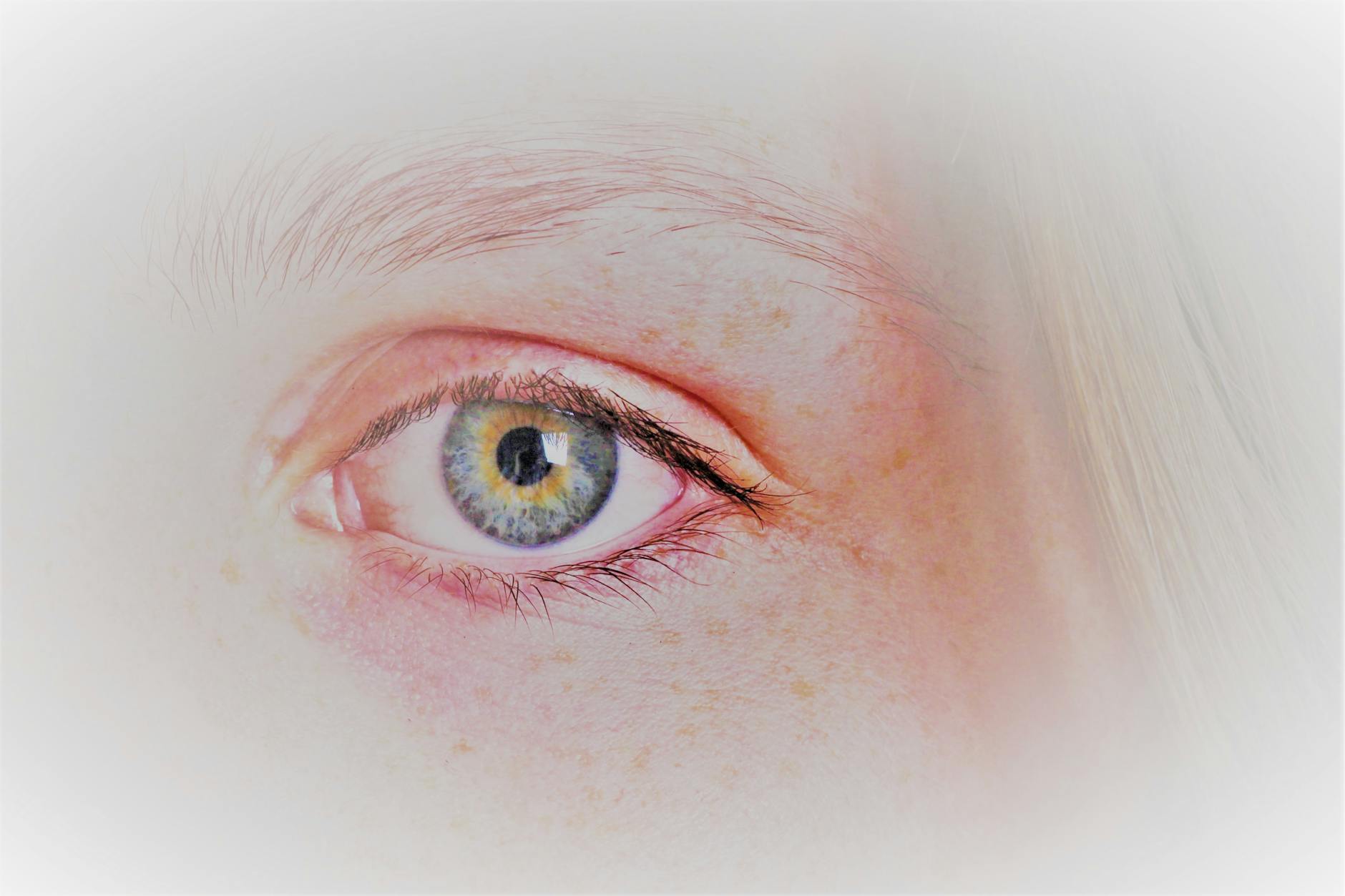
What is Color Blindness?
Color blindness, also known as color vision deficiency (CVD), is a condition where a person has difficulty distinguishing certain colors. While it's often thought of as seeing the world in black and white, most people with color blindness can see a range of colors, but they may appear less vivid or be confused with other colors. The most common types involve difficulty distinguishing between reds and greens, followed by blues and yellows. In rare cases, individuals may see no color at all.
The Genetics Behind Color Blindness
The primary reason why color blindness is more prevalent in men is rooted in genetics. Our eyes perceive color thanks to specialized cells called cones, located in the retina. These cones are sensitive to different wavelengths of light, corresponding to red, green, and blue. The genes responsible for the red and green cones are located on the X chromosome.
How Sex Chromosomes Work:
- Individuals assigned male at birth have one X chromosome and one Y chromosome (XY).
- Individuals assigned female at birth have two X chromosomes (XX).
Inheritance of Red-Green Color Blindness:
- The genes for red and green color vision are carried on the X chromosome.
- If a man inherits an X chromosome with a faulty gene for red or green color vision from his mother, he will have red-green color blindness because he only has one X chromosome to express the gene.
- A woman, with two X chromosomes, would need to inherit a faulty gene on both X chromosomes from her mother and father to develop red-green color blindness. If she inherits only one faulty gene, she becomes a carrier but typically does not experience significant vision impairment herself.
This genetic mechanism explains why approximately 1 in 12 men and 1 in 200 women experience some form of red-green color blindness.
Other Causes and Types of Color Blindness
While genetics is the most common cause, color blindness can also be acquired later in life due to:
- Age: As we age, the lens of the eye can yellow, affecting color perception.
- Certain Medical Conditions: Diseases like diabetes, glaucoma, macular degeneration, Parkinson's disease, and multiple sclerosis can impact color vision.
- Medications: Some drugs, such as hydroxychloroquine (used for malaria and autoimmune diseases) and certain medications for heart problems or high blood pressure, can cause temporary or permanent color vision changes.
- Eye Injuries or Exposure to Chemicals: Trauma to the eye or exposure to certain industrial chemicals can damage the optic nerve or retina, leading to color vision loss.
- Damage to the Optic Nerve or Retina: Conditions affecting these parts of the eye can disrupt the signals sent to the brain, impacting color perception.
Types of Color Blindness:
- Red-Green Color Blindness: The most common type, making it difficult to distinguish between reds and greens. This is further divided into:
- Deuteranopia (difficulty with green)
- Protanopia (difficulty with red)
- Deuteranomaly (mild difficulty with green)
- Protanomaly (mild difficulty with red)
- Blue-Yellow Color Blindness: Less common, affecting the ability to distinguish between blues and yellows.
- Tritanopia (difficulty with blue)
- Tritanomaly (mild difficulty with blue)
- Complete Color Blindness (Achromatopsia): A very rare condition where individuals see only in shades of gray, black, and white. This is often associated with other vision problems like reduced visual acuity and light sensitivity.
Symptoms of Color Blindness
Many people with mild color blindness may not even realize they have it, as they adapt to their vision over time. However, potential signs and symptoms include:
- Difficulty distinguishing between colors, especially shades of red and green, or blue and yellow.
- Colors may appear less bright or vivid than they do to others.
- Inability to see differences in the brightness of colors.
- Trouble seeing the color of objects, especially in low light.
- Difficulty with tasks that rely on color recognition, such as reading color-coded charts or selecting ripe fruit.
Diagnosis of Color Blindness
Color blindness is typically diagnosed through a series of eye tests performed by an ophthalmologist or optometrist. The most common test is the Ishihara Color Vision Test, which uses a series of plates with patterns of colored dots. Individuals with color blindness will have difficulty seeing the numbers or shapes hidden within these patterns.
Other diagnostic tools may include:
- Farnsworth-Munsell 100 Hue Test: This test assesses the ability to sort colored caps into a specific order.
- Color Arrangement Tests: Similar to the Ishihara test, these evaluate the ability to differentiate between shades and hues.
- Visual Acuity Tests: To check overall sharpness of vision.
- Ophthalmoscopy: To examine the health of the retina and optic nerve, looking for any underlying conditions that might be causing acquired color blindness.
Living with Color Blindness
While there is no cure for inherited color blindness, individuals can learn to adapt and manage the condition:
- Learning Color Names: With practice, individuals can learn to associate colors with their names, even if they don't perceive them accurately.
- Using Color-Identifying Apps: Smartphone apps can help identify colors by scanning them.
- Specialized Glasses and Contact Lenses: Some tinted glasses or contact lenses can help enhance color discrimination for certain types of color blindness, though they don't restore normal color vision.
- Job and Activity Adaptations: Certain professions or hobbies might require specific color vision tests. Understanding your limitations can help you take necessary precautions. For example, traffic lights are often distinguished by position as well as color.
When to Consult a Doctor
It's advisable to consult an eye care professional if you suspect you or your child might have color blindness. Early diagnosis can help in managing the condition and preventing potential issues in daily life, education, or career choices.
You should also seek medical attention if you experience a sudden change in your color vision, as this could indicate an underlying medical condition or side effect of medication that requires prompt treatment.
Prevention of Color Blindness
Inherited color blindness cannot be prevented. However, acquired color blindness can sometimes be prevented or its progression slowed by:
- Managing underlying health conditions like diabetes or glaucoma.
- Reviewing medications with your doctor to identify any that might affect color vision.
- Protecting your eyes from injury and exposure to harmful chemicals.
Understanding color blindness, especially its genetic basis and higher prevalence in men, is crucial for awareness and support. While it may present challenges, with proper diagnosis and adaptation strategies, individuals can lead full and productive lives.