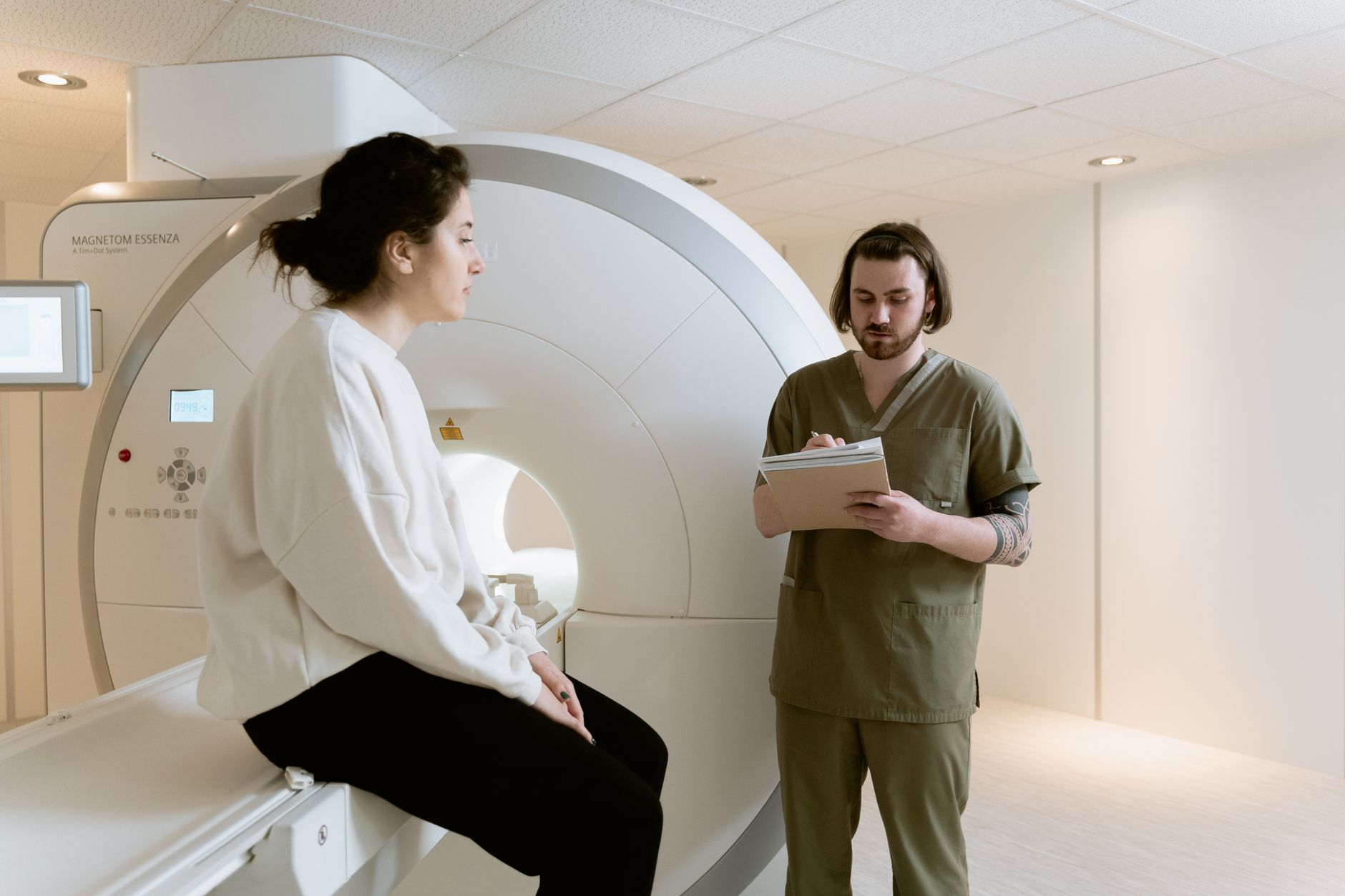
What is Dementia? Dementia is not a single disease but rather a general term for a decline in mental ability severe enough to interfere with daily life. It describes a group of symptoms affecting cognitive functions like memory, thinking, and social abilities. While often associated with older individuals, dementia is not a normal part of aging. The World Health Organization (WHO) estimates that around 55 million people worldwide live with dementia. In India, the prevalence is also significant, impacting numerous families and communities. Understanding how dementia is diagnosed is crucial for early intervention and management, which can significantly improve the quality of life for affected individuals and their caregivers. Dementia vs. Major Neurocognitive Disorder It's important to note that medical professionals now often use the term Major Neurocognitive Disorder (MND) instead of dementia. This change, formalized in the Diagnostic and Statistical Manual of Mental Disorders, 5th edition (DSM-5), reflects a more precise understanding of these conditions. However, the term 'dementia' remains widely understood and used in public discourse. Symptoms of Dementia The signs of dementia can vary depending on the underlying cause and the part of the brain affected. However, common symptoms include: Memory Loss: Particularly forgetting recently learned information, important dates, or events. Asking the same questions repeatedly. Difficulty with Planning or Problem-Solving: Trouble following familiar recipes or managing monthly bills. Challenges with Familiar Tasks: Difficulty completing daily tasks at home, work, or during leisure activities. Confusion with Time or Place: Losing track of dates, seasons, and the passage of time. Forgetting where they are or how they got there. Trouble Understanding Visual Images and Spatial Relationships: Difficulty reading, judging distance, or determining color or contrast, which can cause problems with driving. New Problems with Speaking or Writing: Difficulty following or joining a conversation, stopping in the middle of a conversation, or struggling to find the right words. Misplacing Things and Losing the Ability to Retrace Steps: Putting things in unusual places and being unable to retrace steps to find them. Decreased or Poor Judgment: Making bad decisions, such as poor financial choices or paying less attention to grooming and hygiene. Withdrawal from Work or Social Activities: Avoiding hobbies, social engagements, or work projects due to the challenges they face. Changes in Mood and Personality: Becoming confused, suspicious, depressed, fearful, or anxious. Easily upset. Balance Problems: Some types of dementia can affect balance and coordination. When to Consult a Doctor If you or someone you know is experiencing any of these symptoms, especially if they are new or worsening, it is essential to consult a doctor . Early diagnosis is key. While there may not be a cure for all types of dementia, early detection allows for better management of symptoms, potential treatment of underlying causes, and planning for the future. It's often helpful to bring a family member or close friend to the appointment who can provide additional information about the changes they've observed. How Dementia is Diagnosed Diagnosing dementia is a comprehensive process that typically involves several steps. A doctor will work to rule out other conditions that might be causing similar symptoms. The diagnostic process usually includes: 1. Medical History Review Your doctor will start by taking a detailed medical history. This includes: When and how your symptoms started: Understanding the progression of cognitive changes. Impact on daily life: How the symptoms affect your ability to perform everyday tasks. Other medical conditions: Discussing any existing health issues like heart disease, diabetes, stroke, or depression, as these can sometimes mimic or exacerbate dementia symptoms. Medications and supplements: Listing all prescription drugs, over-the-counter medications, and supplements you are taking, as some can cause cognitive side effects. Family history: Inquiring about any history of dementia or other neurological conditions in your family. It is highly recommended to bring someone who knows you well to this appointment, as they may be able to recall details about your health and symptoms that you might overlook. 2. Cognitive and Neurological Tests These tests are crucial for evaluating your thinking abilities and physical functions. They are usually administered by specialists such as neurologists, neuropsychologists, or geriatricians. Cognitive Tests: These assess various aspects of mental function, including: Memory (short-term and long-term) Attention and concentration Language skills Problem-solving abilities Visuospatial skills Neurological Examination: This checks reflexes, coordination, muscle tone, sensory function, and balance to identify any physical signs of neurological problems. While these tests are important, they cannot diagnose dementia on their own. They provide valuable data points that, when combined with other information, help in forming a diagnosis. 3. Laboratory Tests Doctors may order laboratory tests to identify or rule out potential causes of dementia symptoms. These can include: Blood Tests: These can help detect infections, nutritional deficiencies (like Vitamin B12 deficiency), thyroid problems, or genetic markers that might be contributing to cognitive decline. They can also assess organ function. Lumbar Puncture (Spinal Tap): In some cases, a sample of cerebrospinal fluid (CSF) is collected from the spine. Analyzing the CSF can help detect infections, inflammation, or specific proteins associated with certain types of dementia, or rule out other causes of memory problems. 4. Brain Imaging Tests Brain scans are essential for visualizing the brain's structure and function. They help doctors rule out other conditions that can cause dementia-like symptoms, such as strokes, brain tumors, or head injuries. Imaging tests can also reveal patterns of brain changes associated with different types of dementia. Computed
In summary, timely diagnosis, evidence-based treatment, and prevention-focused care improve long-term health outcomes.